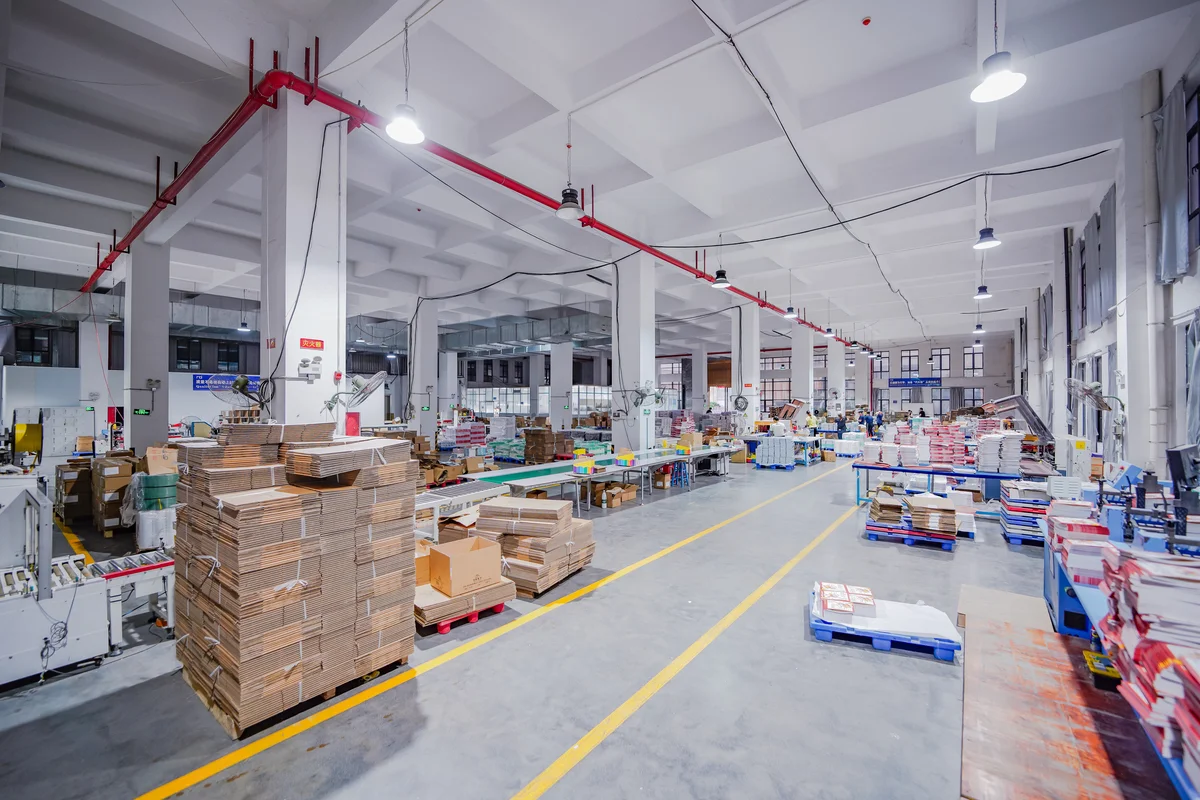
Production Process & Binding
Production Process & Binding Guide
Understand how professional printing production works — from binding and finishing to assembly, packaging, and quality control.
Behind every high-quality book or card game is a carefully controlled production process. From precision cutting and binding to finishing, assembly, and packaging, every stage directly affects durability, consistency, usability, and final product quality.
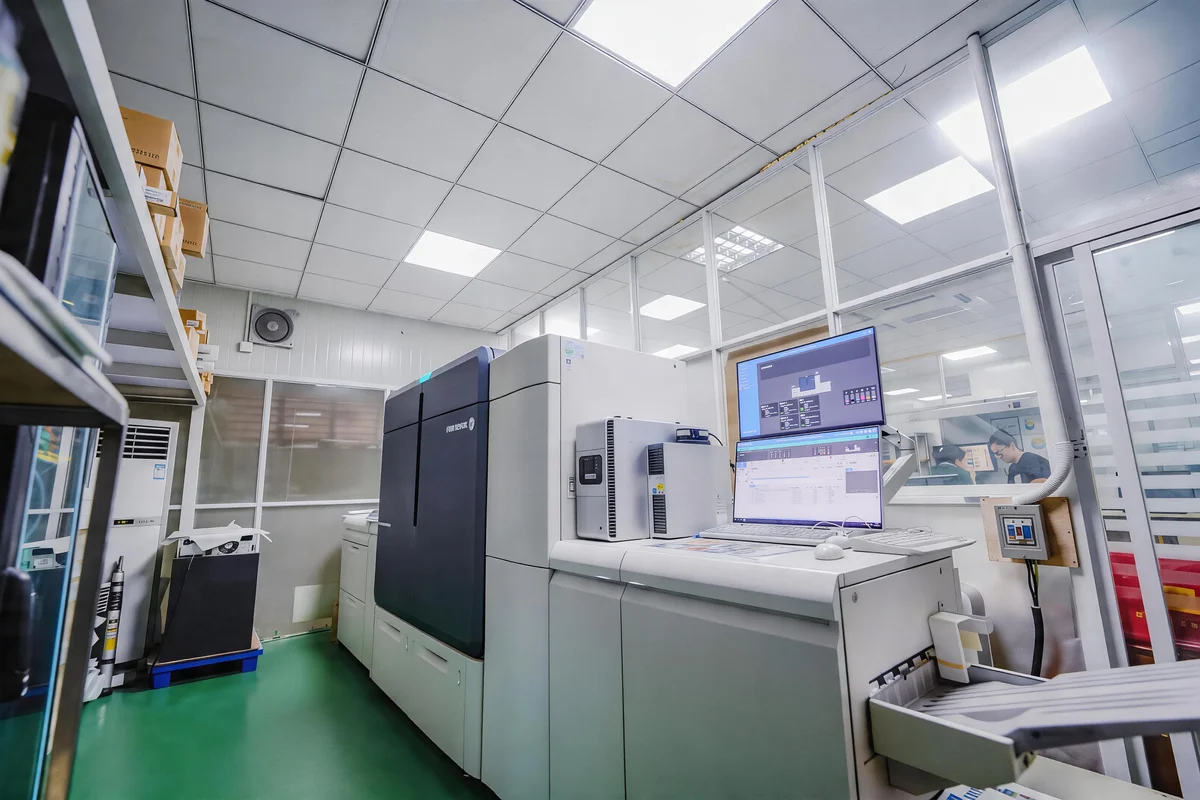
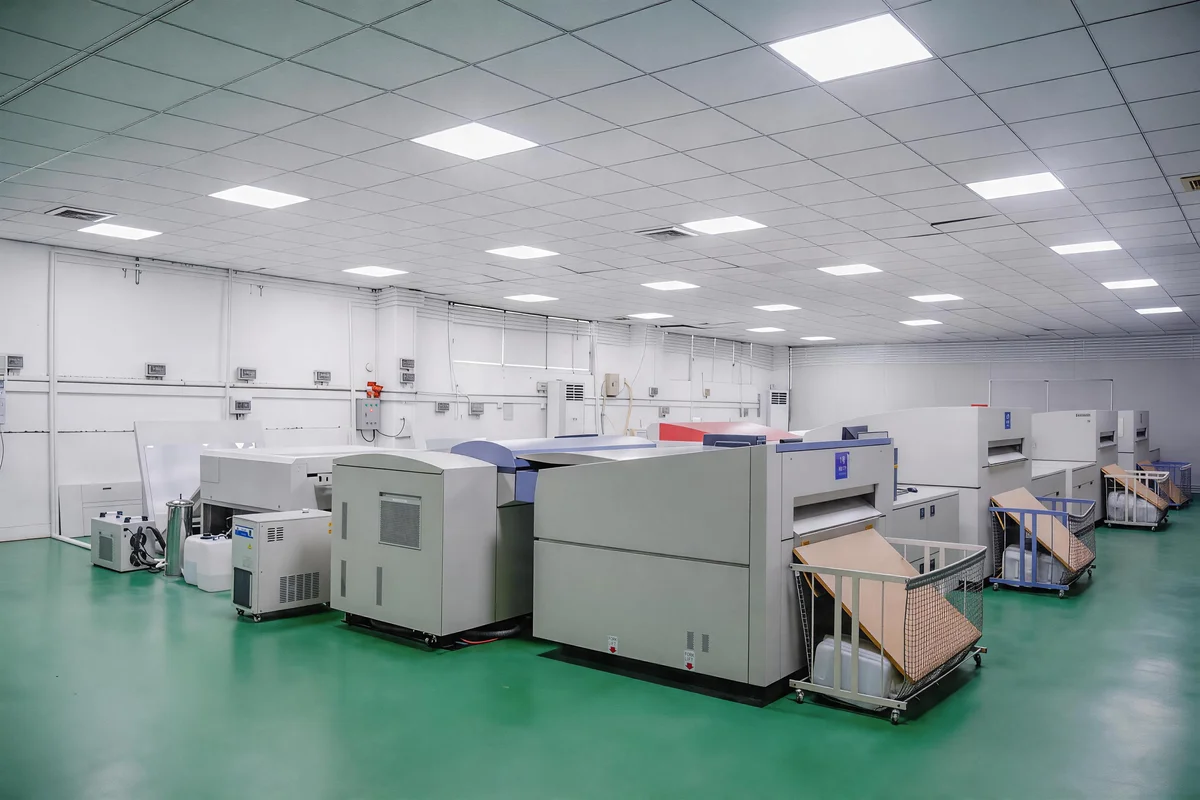
At LeadWorks Print, most production processes are managed in-house, allowing us to maintain stable quality, improve production efficiency, and support complex custom projects with greater flexibility.
This guide introduces the core production workflows and manufacturing processes used in professional book and card game production.
Whether you’re producing hardcover books, card decks, premium packaging, or collector editions, understanding the production process helps improve planning, reduce risks, and achieve more consistent results.
One-Stop Printing & Manufacturing Capability
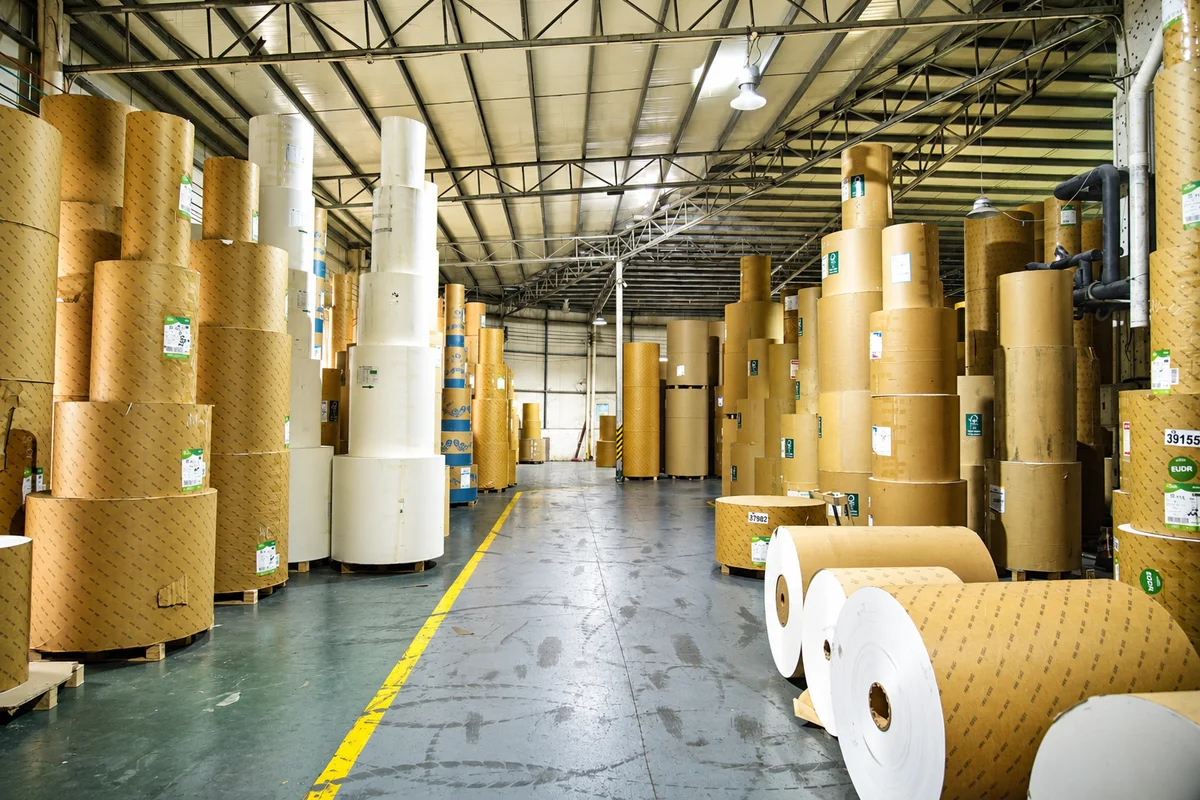
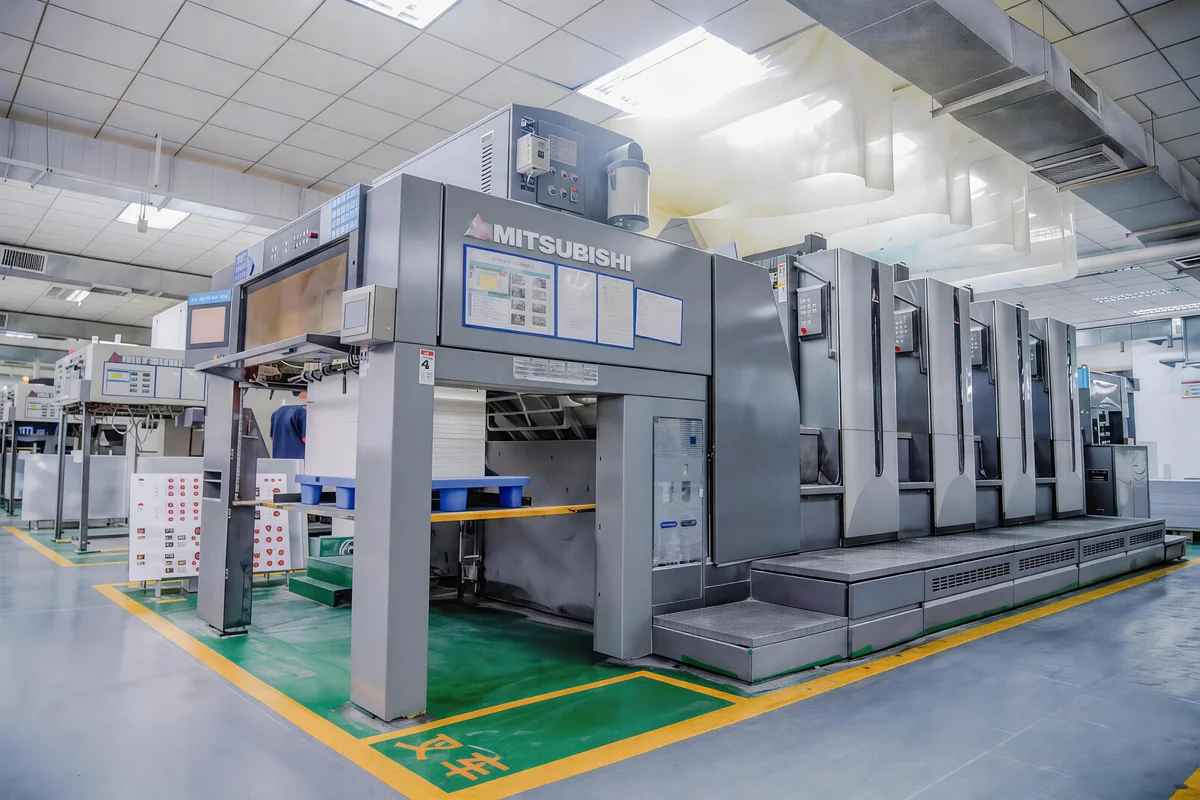
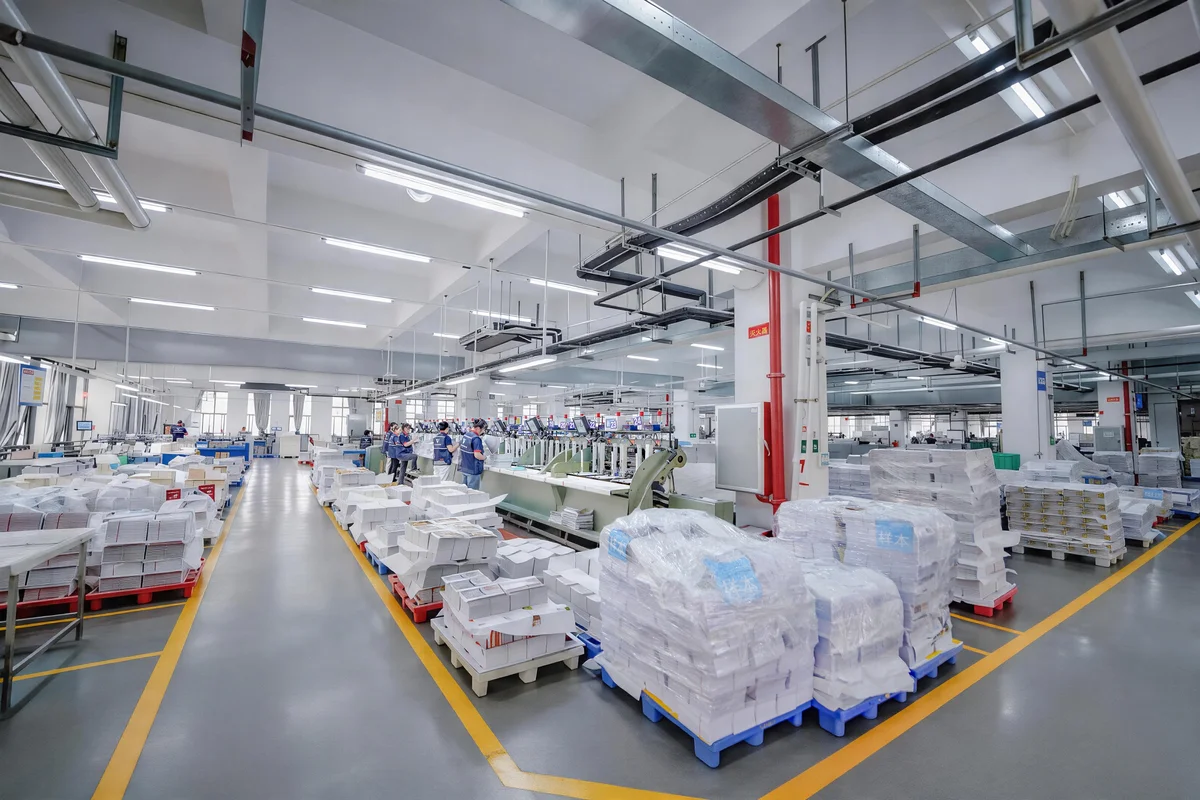
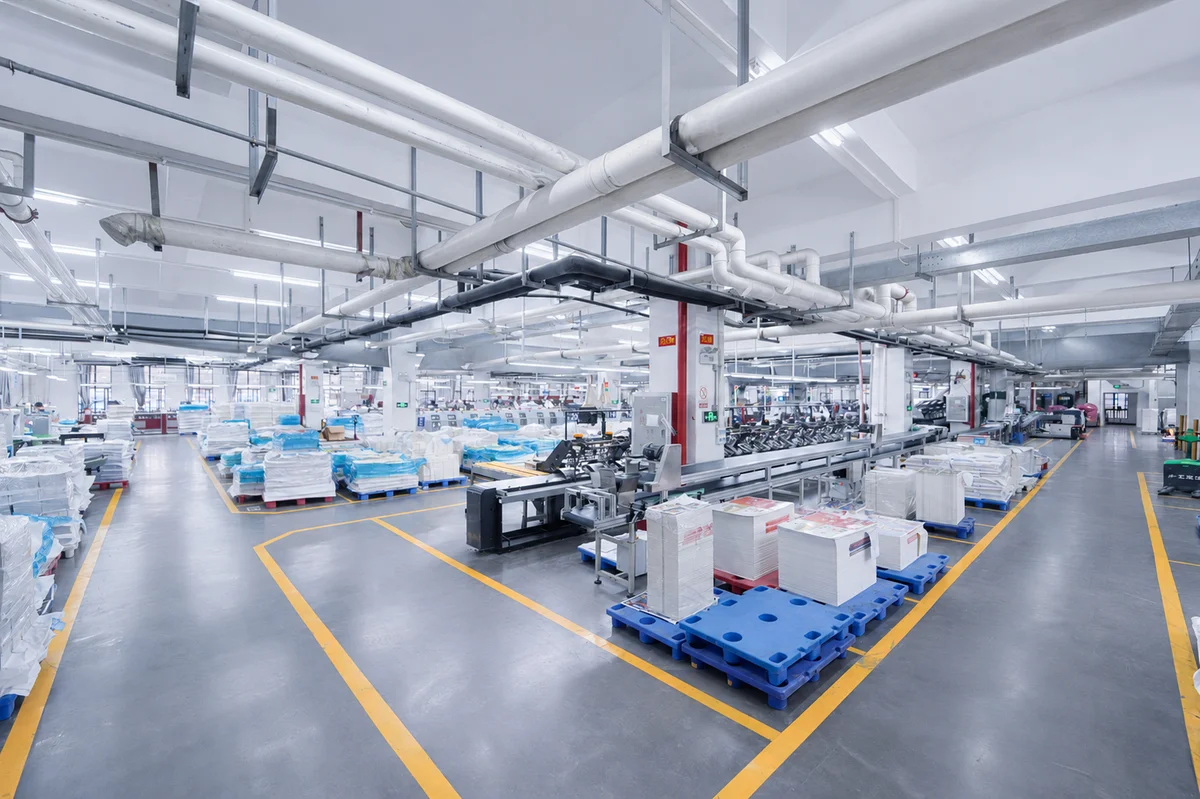
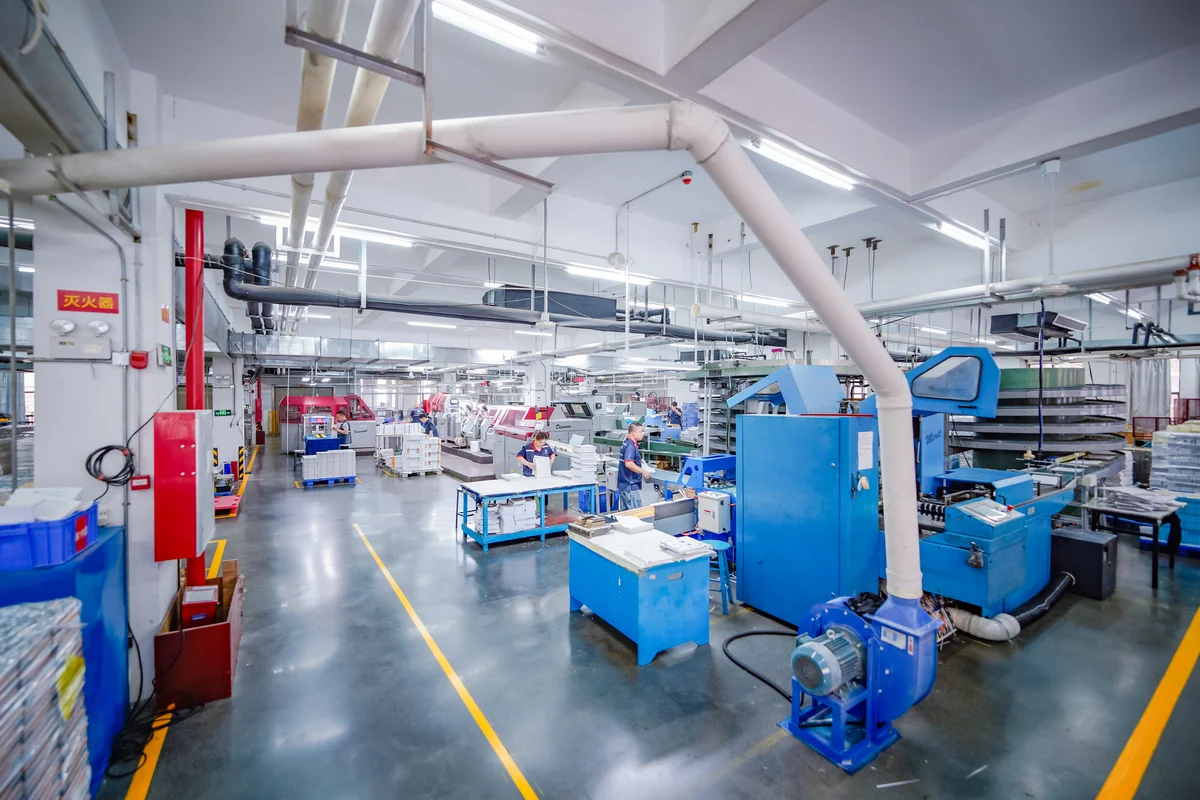
We operate a comprehensive in-house production system covering printing, binding, finishing, box making, assembly, and packaging. This integrated workflow allows us to manage production internally instead of relying heavily on external suppliers.
Consistent Quality Control
Every step is managedinternally, ensuring stable andreliable results.
Faster ProductionTime
Eliminates delays caused byoutsourcing processes.
Better Cost Efficiency
Streamlined workflowreduces unnecessary third-party costs.
Greater Flexibility
Easier to support customdesigns and complexrequirements.
👉 In-house manufacturing capability is especially important for projects requiring precision, consistency, and reliable timelines.
Common Book Binding Methods
Binding determines the structure, durability, usability, and overall reading experience of a book.
Choosing the right method depends on page count, product positioning, durability requirements, and production budget.
Perfect Binding
Pages are glued directly to the spine to create a clean and professional appearance.
Suitable For | Advantages |
Softcover books | Cost-efficient |
Commercial publishing | Widely used |
Educational books | Suitable for medium to large runs |
Smyth Sewn Binding
Pages are sewn together before glue is applied to the spine.
Advantages | Ideal For |
Stronger structure | High-quality publications |
Improved durability | Long-term use |
Better lay-flat performance | Premium books |
Case Binding (Hardcover)
A rigid hardcover structure wrapped with printed paper, cloth, or specialty materials.
Advantages | Advantages |
Premium presentation | Novels |
Excellent durability | Art books |
Strong perceived value | Collector editions |
Board Book Binding
Board books are produced using thick and rigid paperboard instead of standard paper. Each page is mounted and laminated to create a durable structure resistant to bending, tearing, and moisture.
Thick, Rigid Pages
Designed for durability and repeated handling.
Rounded Corners
Improves safety for children's products.
Laminated Surfaces
Adds protection against wear and moisture.
Precise Mounting
Ensures consistent thickness and alignment.
👉 Suitable for children’s books, educational products, and interactive books. This type of binding requires specialized equipment and precise mounting processes to ensure consistent thickness and alignment across all pages.
Saddle Stitching
Pages are folded and stapled along the spine.
Suitable For
- Booklets
- Catalogs
- Magazines
- Low-page-count projects
👉 The ideal binding method should balance durability, usability, production cost, and reading experience.
Card Game Production Process
Card game manufacturing requires precise production control to ensure consistent size, smooth handling, accurate sorting, and long-term durability.
Unlike standard printed products, card decks must perform reliably during repeated gameplay, shuffling, dealing, and handling.
Material Preparation
Production begins with selecting suitable materials such as black core paper or standard core structures.
Material selection affects:
- Stiffness and flexibility
- Durability
- Opacity performance
- Shuffle feel
👉 Proper material selection helps maintain consistent thickness and long-term gameplay performance.
Printing
Cards are printed using high-precision offset printing systems to achieve:
- Accurate color reproduction
- Consistent alignment across sheets
- Stable print quality across large volumes
👉 Color consistency is especially important because multiple cards are printed together on large sheets.
Surface Finishing
Surface finishing improves durability, grip, and gameplay feel.
Common finishing options include:
- Varnish
- Lamination
- Linen texture embossing
👉 Surface finishing directly affects shuffle performance, handling comfort, and resistance to wear.
Die Cutting & Corner Rounding
Cards are cut using precision die-cutting systems to ensure:
Uniform Size
Ensures every card is cut to the same dimensions.
Consistent Edges
Maintains smooth and professional edges.
Accurate Alignment
Prevents artwork and border misalignment.
👉 Rounded corners improve durability and reduce edge damage during gameplay. Poor cutting precision is one of the most common issues in low-quality card production.
Sorting & Collation
Cards are automatically sorted and arranged into the correct sequence.
This Ensures
- Accurate card count
- Correct order
- No duplicated or missing cards
👉 Complex games may involve multiple decks, inserts, and configurations.
Assembly & Packing
Cards are combined with additional components such as:
- Game boards
- Dice
- Tokens
- Instruction booklets
👉 Final products are then packed into tuck boxes, rigid boxes, or custom packaging structures. Efficient assembly helps ensure product completeness, organization, and presentation quality.
Quality Control
Quality inspection is integrated throughout the entire production process.
Key Inspection Areas
- Color consistency
- Cutting precision
- Surface finishing quality
- Card count verification
👉 Consistent quality control ensures every deck meets professional production standards.
Why Precision Matters
Card games require significantly higher production precision than most printed products.
Even minor inconsistencies may negatively affect gameplay experience.
High-Quality Card Production Helps Ensure
- Smooth shuffling
- Consistent handling
- Stable gameplay performance
- Professional product appearance
👉 This is especially important for commercial games, tarot decks, and premium card products.
Product Assembly & Packaging Process
For complex products — especially board games and collector editions — assembly is a critical production stage.

Combining Components
Books, cards, boards, tokens, dice, and other components are organized together.

Inserting into Packaging
Each component is placed into the correct box, tray, or insert structure.

Shrink Wrap or Paper Bands
Protects the product and keeps components together during handling.
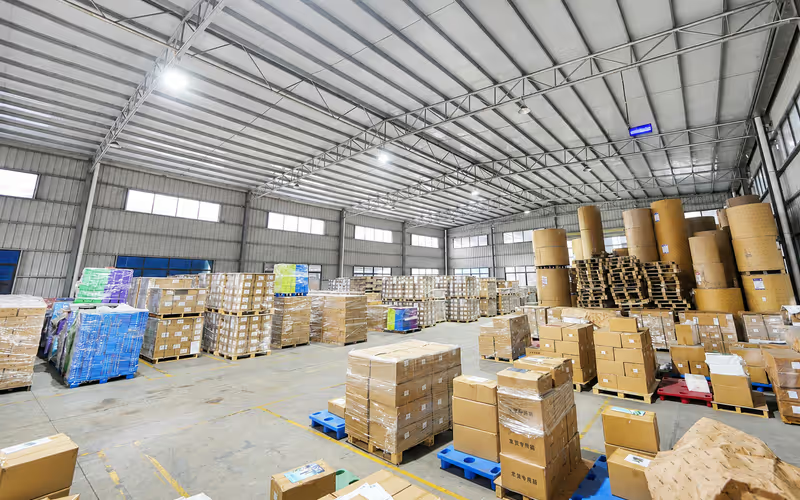
Preparing for Shipment
Final packing is arranged for storage, shipping, and distribution.
👉 Well-organized assembly improves presentation quality, product completeness, and shipping efficiency.
Printing Production Workflow
A structured workflow helps maintain efficiency, consistency, and production accuracy.
01
Quotation & Specification Review
Confirm product requirements and project scope.
02
File Checking &Prepress
Review artwork, files, and technical setup.
03
Sampling / Proofing
Prepare samples or proofs for approval.
04
Mass Production
Printing and main production begin after approval.
05
Finishing & Binding
Apply surface effects, binding, and related processes.
06
Assembly &Packaging
Organize components into final packaging.
07
Quality Inspection
Check quality before shipping preparation.
08
Shipping Preparation
Pack products for logistics and delivery.
👉 Each stage is carefully controlled to minimize production errors and maintain stable quality standards.
Printing Quality Control Process
Quality control is integrated throughout the entire manufacturing workflow.
Incoming MaterialInspection
Materials are checked before production begins.
In-process Checks
Production quality is monitored during each stage.
Final Inspection
Products are reviewed before shipment.
Random Sampling
Sampling is performed based on quality standards.
👉 Consistent inspection procedures help reduce defects and improve overall production reliability.
Why In-House Production Capability Matters
Not all manufacturers offer the same level of production control. Factories that rely heavily on outsourcing often face challenges such as inconsistent quality, limited flexibility, and longer lead times.
Maintain Consistent Standards
Internal control supports stable quality across projects.
Respond Quickly to Changes
In-house teams can adjust more efficiently when project needs change.
Handle Complex Projects Efficiently
Integrated production improves coordination for multi-component products.
👉 This is especially important for publishers and brands requiring consistent production quality at scale.
Looking for a Reliable Production Partner?
Our in-house manufacturing system supports books, card games, premium packaging, and specialty finishing projects with stable quality and efficient production workflows. From material selection to final delivery, we help publishers and brands achieve consistent production results with greater flexibility and reliability.
Build Your Project With Strong Production Control
Share your book, card, or board game requirements – our team can recommend practical production and assembly solutions.