Paper & Material for Cards
Card Game Paper & Material Guide
Understand how card materials affect gameplay, shuffle performance, durability, print quality, and overall user experience.
Unlike books, card products are handled repeatedly, shuffled frequently, and exposed to continuous wear during gameplay. This makes material selection one of the most important decisions in card deck production.
From core structure and thickness to surface finishing and edge durability, every material choice directly influences how your cards feel, perform, and last over time.
This guide introduces the most commonly used card materials in professional card game manufacturing and helps publishers, creators, and brands select the right structure based on gameplay style, budget, and product positioning.
Whether you’re producing playing cards, tarot decks, educational cards, or premium collector editions, choosing the right material combination is essential for balancing performance, durability, and visual presentation.
Why Card Material Matters for Gameplay & Durability
Unlike books, card games are repeatedly shuffled, handled, stacked, and transported during use. This makes material selection especially important for long-term gameplay performance. A well-chosen card material can:
Shuffling
Provide smooth and consistent shuffling.
Shape Stability
Maintain stiffness and shape over time.
Tactile Feel
Enhance the overall hand feel and experience.
Durability
Increase durability and longevity.
👉Poor material choices may result in cards that feel too soft, too slippery, or wear out quickly during repeated use.
Common Card Core Materials
Card materials are typically defined by their internal core structure, which affects opacity, durability, stiffness, and gameplay feel.
Black Core Paper
Black core paper contains a dark inner layer that blocks light completely.
Key Benefits | Details |
100% opacity | No light passing through. |
Strong stiffness and durability | Supports a more professional card feel. |
Premium feel | Suitable for professional games and high-end decks. |
👉 Widely used for playing cards, tarot / oracle decks, and high-end card games.
Blue Core / Grey Core Paper
These are more cost-effective alternatives with balanced performance and moderate durability.
Key Benefits | Details |
Good opacity | Provides acceptable light-blocking performance. |
Moderate stiffness | Suitable for many entry-level card products. |
Lower cost | Useful for budget-conscious projects. |
👉 Suitable for entry-level card games, budget-conscious projects, short-run productions. The choice of core material significantly affects how professional your cards feel during gameplay.
Card Thickness, Weight & Handling Performance
Card thickness directly influences shuffle feel, flexibility, stiffness, and overall handling comfort.
Common Range | Application & Feel |
280–300gsm | Standard quality, flexible and cost-effective. |
300–330gsm | Premium balance between stiffness and usability. |
330–350gsm+ | Thicker and more rigid, with a stronger feel. |
👉 Gameplay Insight
Thicker cards often feel more premium, but may reduce shuffle performance, increase hand fatigue during gameplay, increase production and shipping costs. The ideal thickness depends on your gameplay style, card quantity, and target user experience.
Card Material Specification Reference
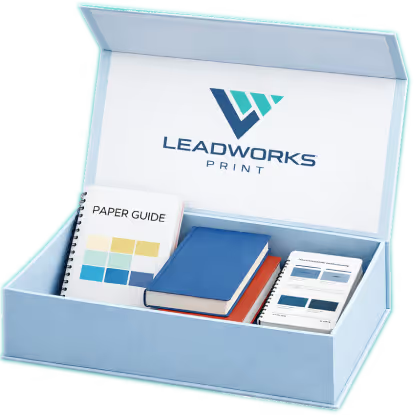
To help publishers and creators better understand commonly used card materials in China’s printing industry, we’ve prepared a detailed material reference sheet covering:
- Core structures (black core, blue core, grey core, etc.)
- GSM and thickness comparison
- Surface textures and finishing types
- Recommended applications for different card products
👉 This reference is especially useful when comparing gameplay performance, print quality, and production cost.
Card Surface Finishing & Shuffle Performance
Surface finishing strongly influences how cards feel, shuffle, and perform during use.
Varnish (Gloss / Matte)
A basic protective coating applied directly to the paper.
Pros / Cons | Details |
Pros | Cost-effective and provides a smooth surface. |
Cons | Less durable and wears out faster. |
Lamination
A protective film applied to the card surface.
Pros / Cons | Details |
Pros | Higher durability and better resistance to wear. |
Cons | Slightly changes card feel. |
Linen Finish
An embossed texture pressed into the card surface.
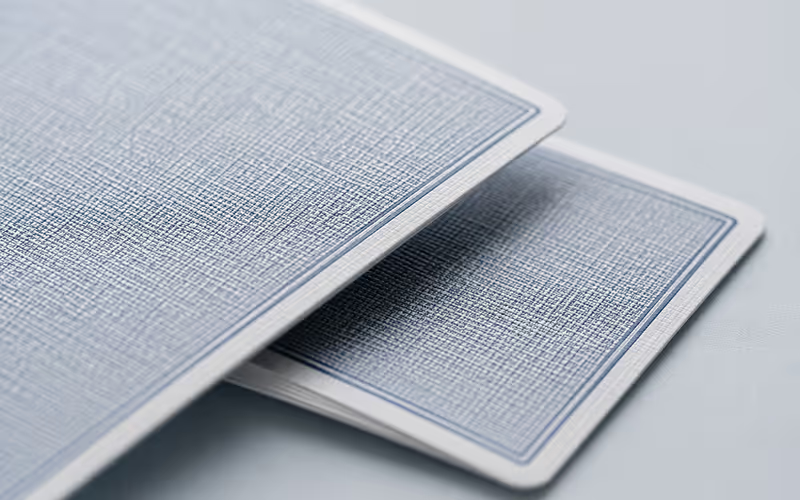
Improves Shuffle Performance
Helps cards separate and move more smoothly.
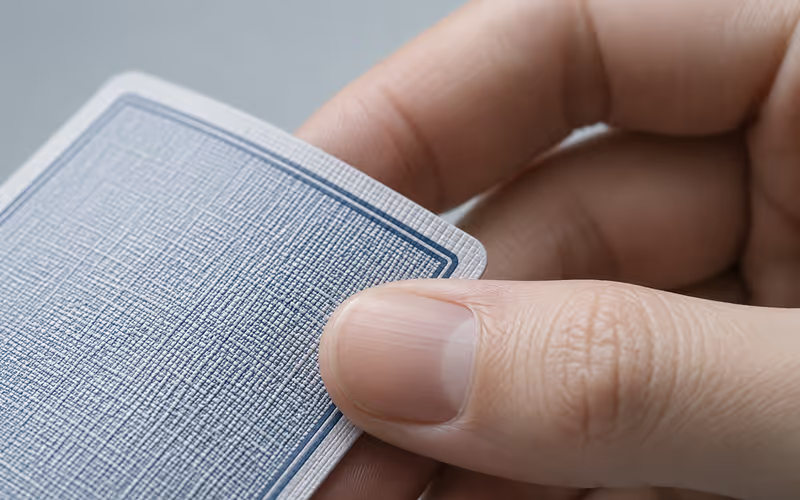
Enhances Grip
Adds texture for better handling.
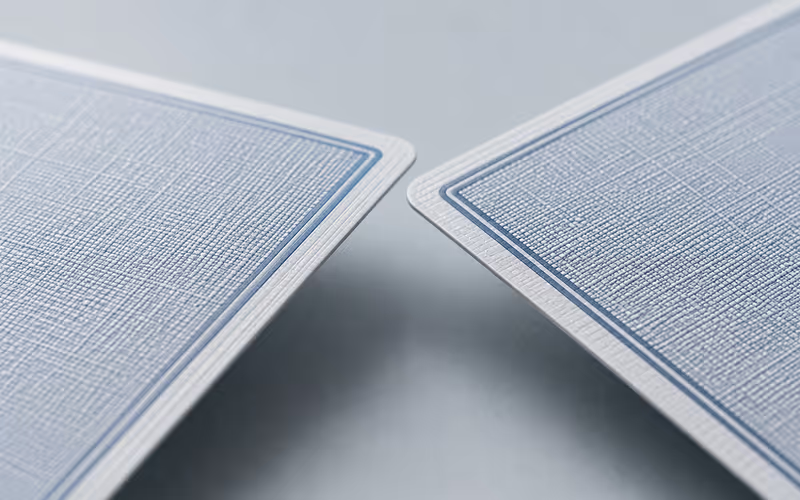
Reduces Sticking
Helps prevent cards from clingingtogether.
👉 Linen finish is widely used in professional playing cards and premium game decks.
Surface finishing is just as important as paper material in determining gameplay experience.
Card Size & Handling
Card size directly affects gameplay comfort, usability, and packaging structure.
Common Size | Description |
Poker Size (63 × 88 mm) | Most widely used standard. |
Bridge Size (57 × 88 mm) | Slightly narrower and easier to hold. |
Tarot Size (70 × 120 mm) | Commonly used for tarot and oracle card decks. |
Mini Size (44 × 63 mm) | Compact format for travel or expansion card sets. |
Square Size(70 × 70 mm) | Popular for memory games and educational cards. |
Jumbo Size (89 × 127 mm) | Larger format for party games or display-focused designs. |
Custom Sizes | Unique sizing, but may affect cost and usability. |
Important Considerations
- Hand size and comfort
- Number of cards held simultaneously
- Ease of shuffling and sorting
👉 Larger cards create stronger visual impact, while smaller cards often improve handling efficiency.
Card Durability & Long-Term Performance
Durability is especially important for games designed for repeated use.
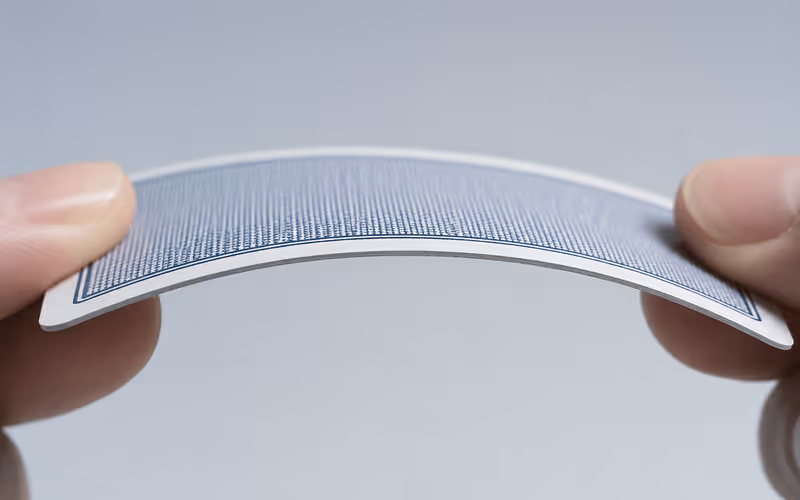
Paper Core Strength
Affects stiffness, opacity, and long-term stability.
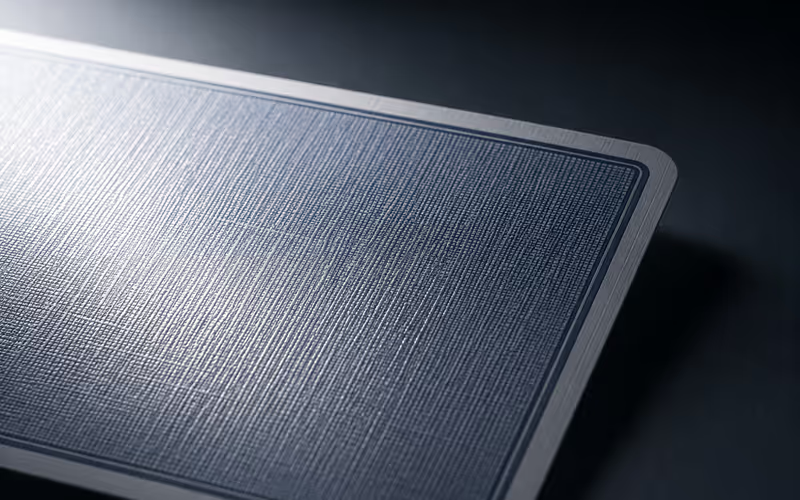
Surface Finish Quality
Improves resistance to wear and repeated handling.
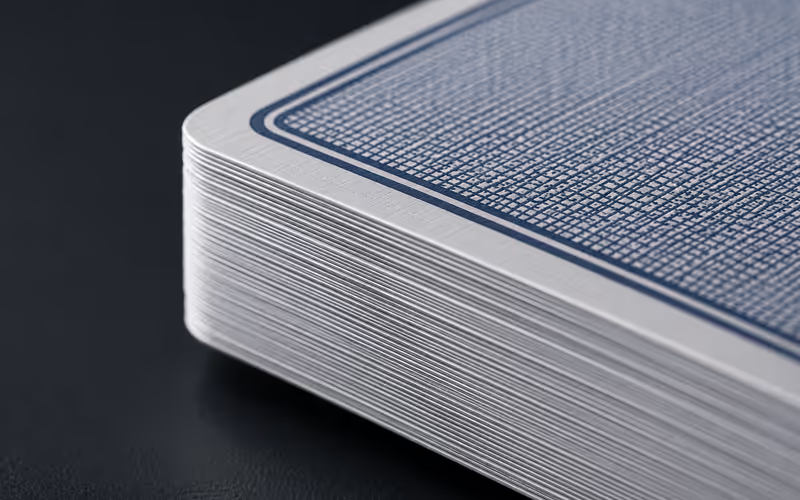
Edge Cutting Precision
Helps prevent rough edges, fraying, and poor hand feel.
High-Quality Cards Should
- Resist bending and deformation
- Maintain structural stability over time
- Have smooth edges without fraying
👉 Consistent production quality is essential for maintaining gameplay experience throughout the product lifecycle.
Choosing Card Materials by Game Type
Different card products require different material strategies and gameplay priorities.
Game Type | Recommended Material Strategy |
Standard Playing Cards | Black core paper + linen finish + medium thickness (300–310gsm). |
Tarot / Oracle Decks | Black core or premium paper + matte or linen finish + slightly thicker feel. |
Board Games with Cards | Flexible material + cost-balanced options + moderate durability. |
👉 Matching material structure to gameplay style is essential for achieving the best user experience.
Common Card Material Selection Mistakes
Common Mistakes
- Choosing materials based only on price
- Ignoring shuffle performance
- Using cards that are too thick
- Overlooking surface finishing
- Skipping physical sample testing
👉 Production Insight
Many gameplay issues are caused not by printing quality itself, but by unsuitable material combinations or incorrect finishing selection.
Testing physical samples before production is one of the most effective ways to improve final product performance.
Need Help Choosing the Right Card Materials?
Our team can recommend suitable core materials, thicknesses, and finishing combinations based on your gameplay style, production budget, and product positioning. We help publishers and brands balance durability, shuffle performance, print quality, and long-term usability.
Choose the Right Card Material Before Production
Share your game type, card size, quantity, and expected hand feel – we can help you compare practical material options.