How to Create a Children’s Picture Book That Readers Remember
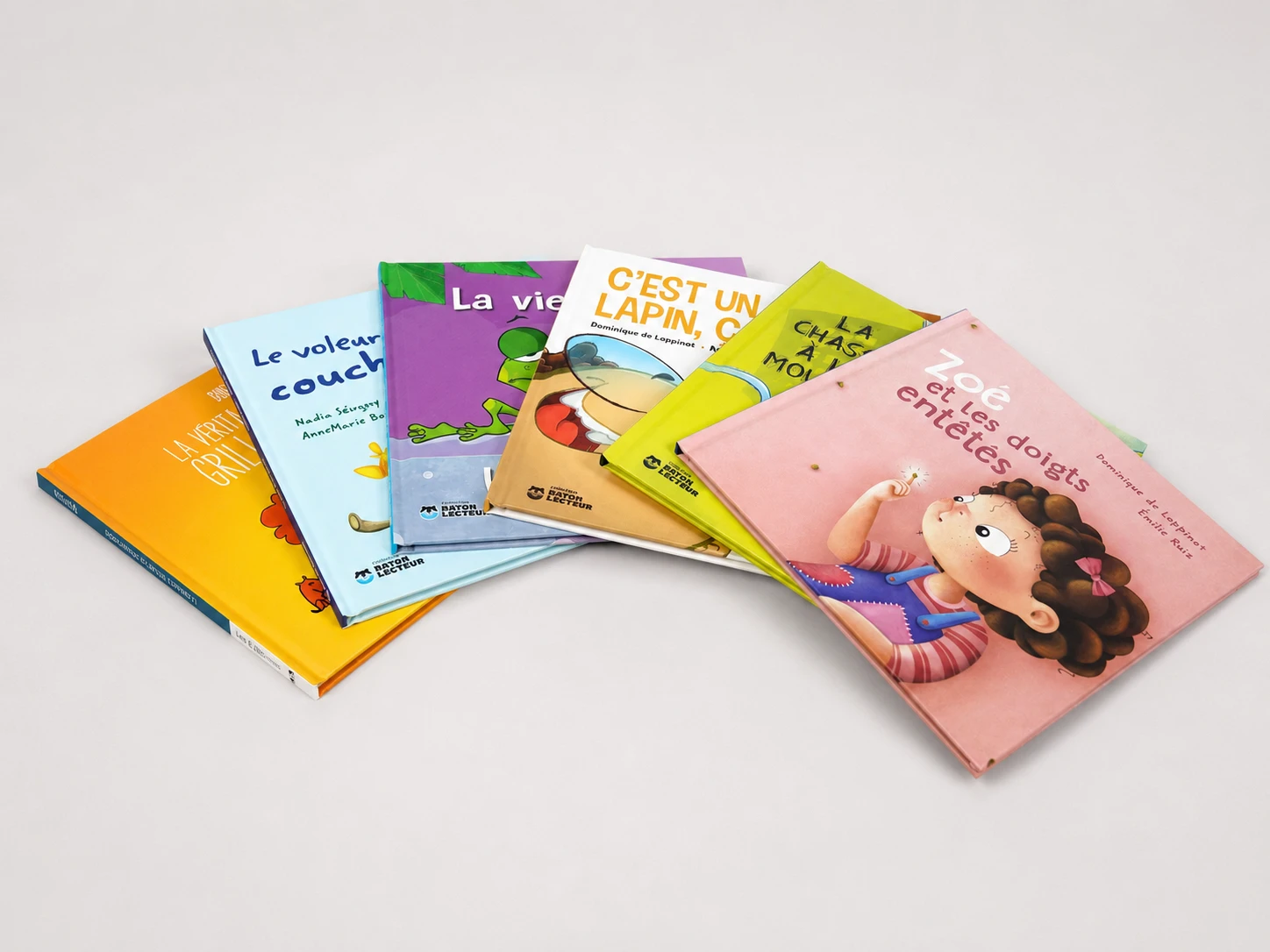
Creating a children’s picture book may look simple from the outside, but it is one of the most carefully balanced forms of publishing. A successful picture book needs more than cute illustrations and a short story. It must combine memorable characters, strong visual storytelling, age-appropriate language, emotional warmth, professional artwork, and a format that works well for young readers.
For self-published authors, small presses, educators, and children’s brands, picture books offer a wonderful opportunity to connect with families and young readers. But to create a book that feels professional and market-ready, every detail needs to be planned with care.
This guide explains the key elements that help a children’s picture book stand out, from story development and illustration planning to layout, editing, printing, and production.
Why Children’s Picture Books Still Matter
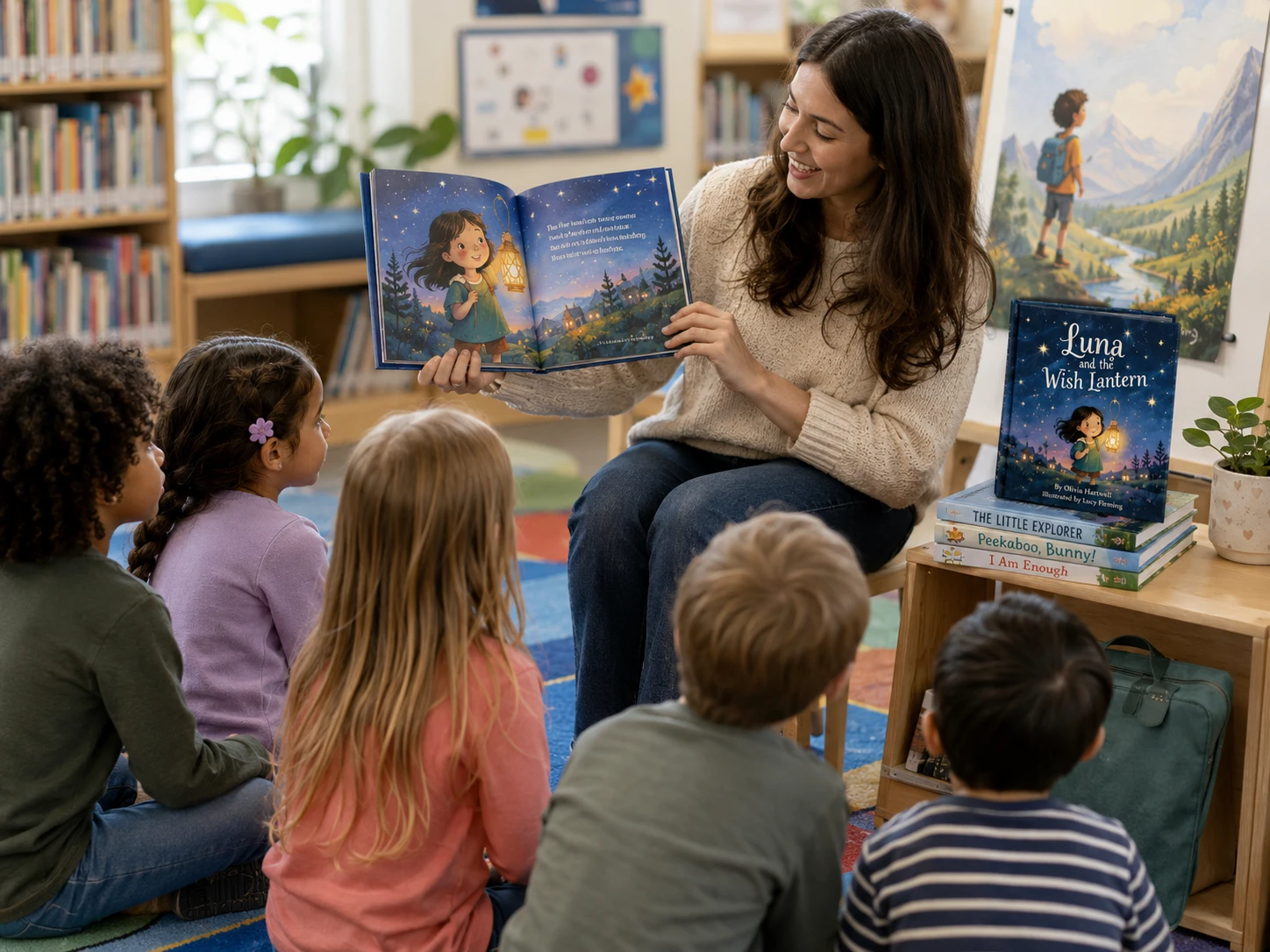
Children’s picture books play an important role in early learning and emotional development. They introduce children to language, storytelling, rhythm, images, characters, humor, and imagination. A good picture book can help a child fall in love with reading long before they can read independently.
For parents and teachers, picture books are also valuable tools. They support read-aloud time, classroom discussion, emotional learning, vocabulary development, and parent-child bonding.
This is why children’s picture books remain a strong category in both traditional publishing and self-publishing. A well-made book can be read again and again, passed between siblings, used in classrooms, and remembered for years.
Start with the Right Purpose
Before writing a children’s picture book, it is important to understand why you want to create it. If the only goal is to make money, the project may become difficult quickly. Children’s publishing requires patience, creativity, revision, and a real understanding of young readers.
Strong picture books usually come from a clear purpose, such as:
- Telling a meaningful story
- Helping children understand emotions
- Encouraging imagination
- Teaching a simple concept
- Supporting early literacy
- Sharing family, culture, or personal experience
- Creating a joyful read-aloud experience
When the purpose is clear, the writing, illustration style, and book design become more focused.
1. Create Memorable Characters
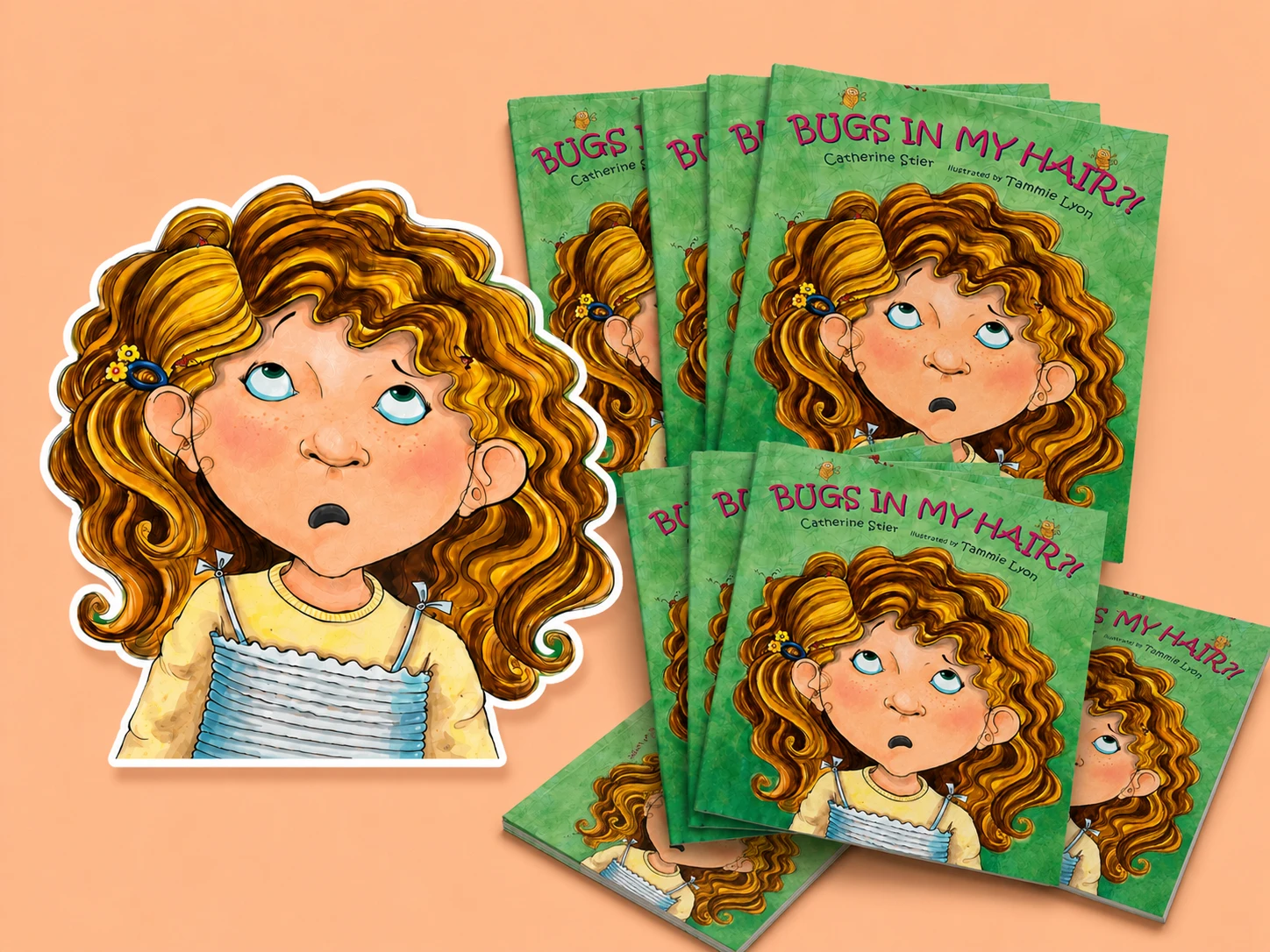
A strong children’s picture book often begins with a character readers can remember. The main character can be a child, an animal, a fantasy creature, or even an object with personality. What matters most is that the character feels clear, relatable, and emotionally engaging.
Children are drawn to characters who have simple but meaningful desires. They may want a friend, feel afraid of something new, try to solve a problem, make a mistake, or discover something surprising.
A good picture book character should be:
- Easy to recognize visually
- Simple enough for children to understand
- Unique enough to stand out
- Emotionally relatable
- Active in the story
- Suitable for the target age group
Animal characters are popular because they create distance and imagination while still expressing human emotions. Child characters work well because young readers can see themselves in the story. Fantasy characters can add wonder and humor.
The key is to make the main character both childlike and memorable.
2. Let the Illustrations Tell the Story
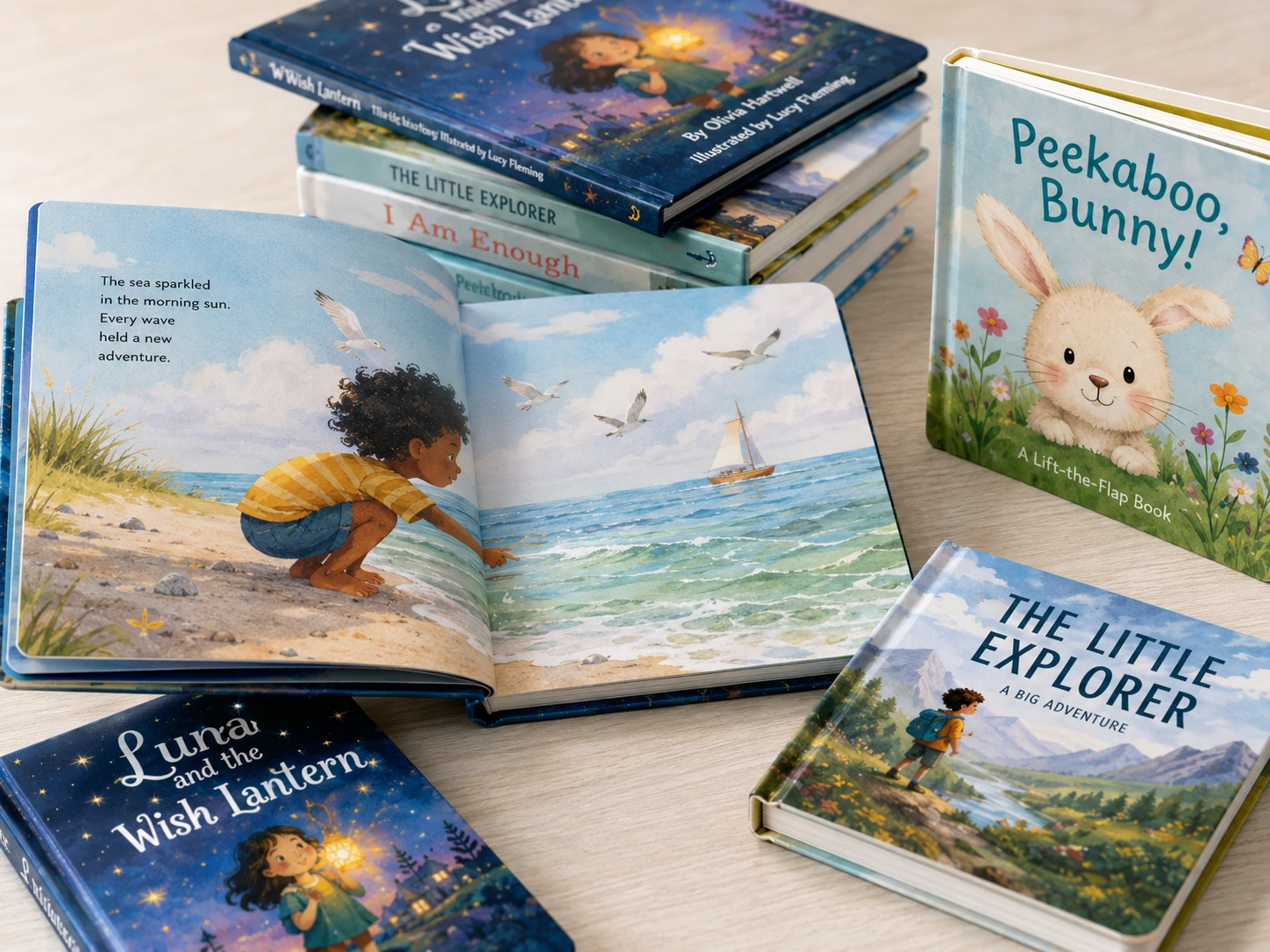
In a picture book, illustrations are not decoration. They are part of the storytelling structure. In many successful picture books, the images carry as much meaning as the text, sometimes even more.
The illustrations should show action, emotion, setting, character relationships, and small visual details that children can discover during repeated readings.
Good visual storytelling can:
- Show what the text does not explain
- Add humor through background details
- Create pacing from page to page
- Help children understand emotions
- Support early readers through visual clues
- Encourage discussion between adults and children
Before final illustration begins, it is helpful to create a storyboard. This allows the author, illustrator, and designer to see how the story flows across the full book.
A picture book should not feel like text with pictures added afterward. The words and images should work together as one complete reading experience.
3. Keep the Story Simple but Meaningful
Children’s picture books usually work best with a simple story structure. Young readers need a clear beginning, middle, and ending. The conflict or problem should be easy to understand, and the resolution should feel satisfying.
A strong picture book story often includes:
- A clear main character
- A simple problem or goal
- A few meaningful events
- Emotional movement
- A satisfying ending
- A message that feels natural, not forced
Many children’s books include lessons about friendship, courage, kindness, patience, sharing, confidence, or accepting differences. However, the lesson should not feel like a lecture. Children respond better when the message grows naturally from the story.
Instead of telling children what to think, let them experience the idea through character actions, visual moments, and emotional resolution.
4. Add Humor and Surprise
Humor is one of the most powerful tools in children’s picture books. Children love silly situations, unexpected outcomes, exaggerated expressions, funny sounds, and visual jokes.
Humor can come from:
- Character behavior
- Repetition
- Wordplay
- Visual contradictions
- Background details
- Unexpected page turns
- Silly problems
- Funny reactions
The best humor often works for both children and adults. Since many picture books are read aloud by parents, teachers, or caregivers, a little humor for the adult reader can make the book more enjoyable for everyone.
A funny book is also more likely to be read again. Repeated reading is one of the signs of a successful children’s book.
5. Use Age-Appropriate Language
The language in a children’s picture book should match the target age group. Sentences should be clear, rhythmic, and easy to understand. However, this does not mean the writing must be dull or overly simple.
Children enjoy beautiful words, surprising phrases, and expressive sounds when the meaning is supported by context and illustrations.
Good children’s picture book language should be:
- Clear
- Natural
- Read-aloud friendly
- Age-appropriate
- Rhythmic
- Emotionally expressive
- Easy to follow
Rhyming can be effective, especially for younger children, but it must sound natural. Forced rhyme can weaken the story and make the text harder to read. If using rhyme, the rhythm should flow smoothly and support the meaning.
It is also important to avoid talking down to children. Simple language should still respect the intelligence and emotional world of young readers.
6. Make the Book Enjoyable to Read Aloud
Most children’s picture books are read aloud many times. This means the text must sound good when spoken.
A strong read-aloud text has rhythm, pacing, repetition, and natural pauses. It should be enjoyable for an adult to read and easy for a child to listen to.
To improve read-aloud quality:
- Read the text out loud during revision
- Ask someone else to read it aloud
- Listen for awkward sentences
- Check whether the rhythm feels natural
- Use repetition carefully
- Avoid sentences that are too long
- Make page turns feel intentional
If the adult reader enjoys reading the book, the child is more likely to enjoy hearing it.
7. Include Emotional Depth
Children experience big emotions, even when the story is simple. A picture book can help them understand feelings such as fear, anger, sadness, jealousy, loneliness, joy, confidence, and love.
Emotional themes should be handled with care. Young readers need stories that acknowledge their feelings while also offering comfort, hope, or resolution.
Good emotional storytelling can help children:
- Recognize their feelings
- Understand others
- Build empathy
- Feel less alone
- Learn how problems can be solved
- See that difficult moments can have positive outcomes
For young children, endings should usually provide reassurance. The story may include challenges, but it should leave readers with a sense of safety, understanding, or emotional completion.
8. Add Interactive Elements When Appropriate
Interactive elements can make a children’s book more engaging and memorable. These features encourage children to participate actively instead of only listening.
Interactive options include:
- Questions in the text
- Repeated phrases children can say aloud
- Lift-the-flap pages
- Pop-up structures
- Pull-tabs
- Touch-and-feel textures
- Die-cut windows
- Sound buttons
- Search-and-find details
- Sticker or activity pages
Interactive design is especially useful for board books, toddler books, early learning books, and educational picture books.
However, interactive features should support the story. They should not feel added only for novelty. A flap, texture, or pop-up works best when it helps reveal information, create surprise, or deepen the reading experience.
9. Represent Diversity and Inclusion
Modern children’s books should reflect the diverse world children live in. Representation matters because children need to see themselves, their families, and their communities in the books they read.
Diversity can appear through:
- Character backgrounds
- Family structures
- Cultures
- Languages
- Abilities
- Skin tones
- Settings
- Everyday experiences
- Emotional perspectives
Inclusive books can help children build empathy, curiosity, and respect for others. Representation should feel natural and thoughtful, not superficial.
A diverse picture book does not need to explain everything directly. Often, the most effective approach is to show a rich and varied world as part of the story.
10. Plan a Clear Page Layout
A picture book is built page by page. The layout controls pacing, attention, emotional rhythm, and how the reader moves through the story.
A well-planned layout should balance text and images. Some pages may have full-page illustrations, while others may use smaller scenes or multiple visual moments. Double-page spreads can create dramatic impact, while quiet pages can slow the pace.
Good layout planning includes:
- Clear text placement
- Enough space around text
- Consistent reading direction
- Strong page turns
- Balanced visual rhythm
- Safe margins for printing
- Images that support the story sequence
- Typography that is easy to read
The layout should guide young readers smoothly from one moment to the next.
11. Choose Clear Typography
Typography is very important in children’s picture books. Fonts should be readable and appropriate for the tone of the story.
Decorative fonts may look fun, but they can become difficult to read when used too much. In most cases, it is better to use one or two clear fonts and keep the design consistent.
When choosing fonts, consider:
- Target age group
- Text size
- Readability
- Line spacing
- Contrast with background
- Placement over illustrations
- Style consistency
For early readers, clarity should always come first.
12. Research the Market
Before finalizing a children’s picture book, it is helpful to study the market. This does not mean copying other books. It means understanding what readers, parents, teachers, librarians, and booksellers respond to.
Market research can include:
- Visiting bookstores
- Reading bestselling picture books
- Studying book reviews
- Looking at current illustration styles
- Comparing page counts and formats
- Checking popular themes
- Understanding age categories
- Reviewing printing and binding choices
Look at books that succeed in your target category. Study how much text appears on each page, how the illustrations support the story, how the book is structured, and what emotional experience it creates.
A successful book can be both market-aware and original.
13. Work with Professional Editors and Illustrators
Even strong ideas need professional development. Editing, illustration, design, proofreading, and printing preparation all affect the final quality of a children’s book.
A professional editor can help improve the story structure, language, pacing, and age suitability. A professional illustrator can bring the characters and world to life. A designer can ensure the layout, typography, and print files are production-ready.
Professional support can help with:
- Story development
- Text editing
- Read-aloud rhythm
- Illustration direction
- Character consistency
- Page layout
- Font selection
- Proofreading
- Print file preparation
A children’s picture book may be short, but it still needs careful editing and production.
14. Think About Printing from the Beginning
Writing and illustration are only part of the process. If the book will be printed, production planning should begin early.
Important printing decisions include:
- Book size
- Page count
- Binding method
- Paper type
- Cover material
- Color printing requirements
- Finishing options
- Safety requirements
- Target quantity
- Packaging and shipping
Different formats create different reading experiences.
A paperback picture book may be cost-effective for larger distribution. A hardcover picture book feels more premium and durable. A board book is ideal for babies and toddlers. A pop-up or interactive book requires more production planning and testing.
Common Children’s Picture Book Formats
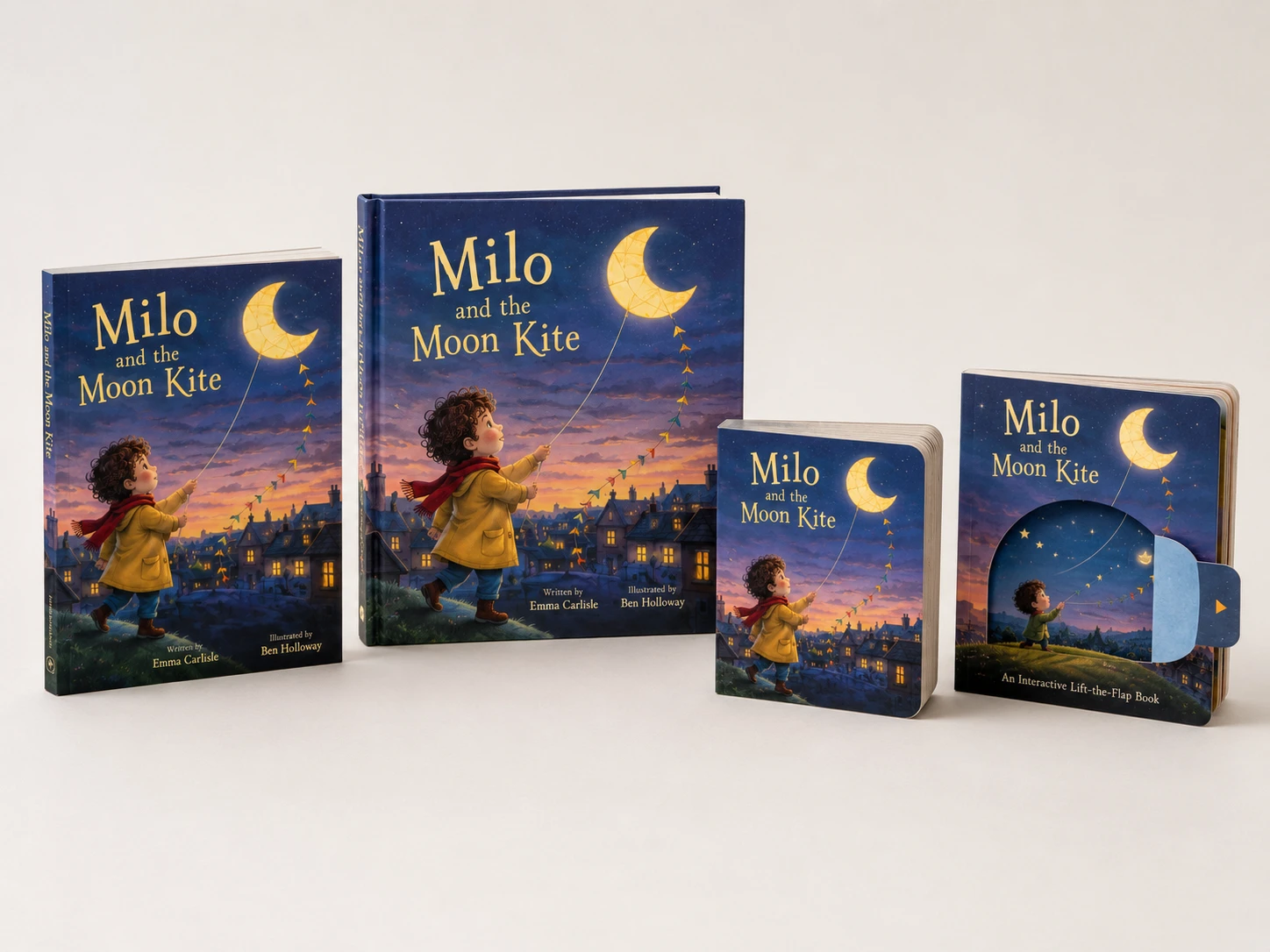
Paperback Picture Books
Paperback picture books are flexible and cost-effective. They are suitable for schools, promotional projects, and standard retail editions.
Hardcover Picture Books
Hardcover books provide better durability and a more premium feel. They are popular for gift books, library editions, and high-quality retail products.
Board Books
Board books use thick board pages, making them ideal for babies and toddlers. They are durable, safe, and easy for small hands to turn.
Interactive Books
Interactive books may include flaps, pop-ups, pull-tabs, textures, sound modules, or die-cut elements. They are engaging but require careful structural design and production testing.
Recommended Printing Features for Children’s Picture Books
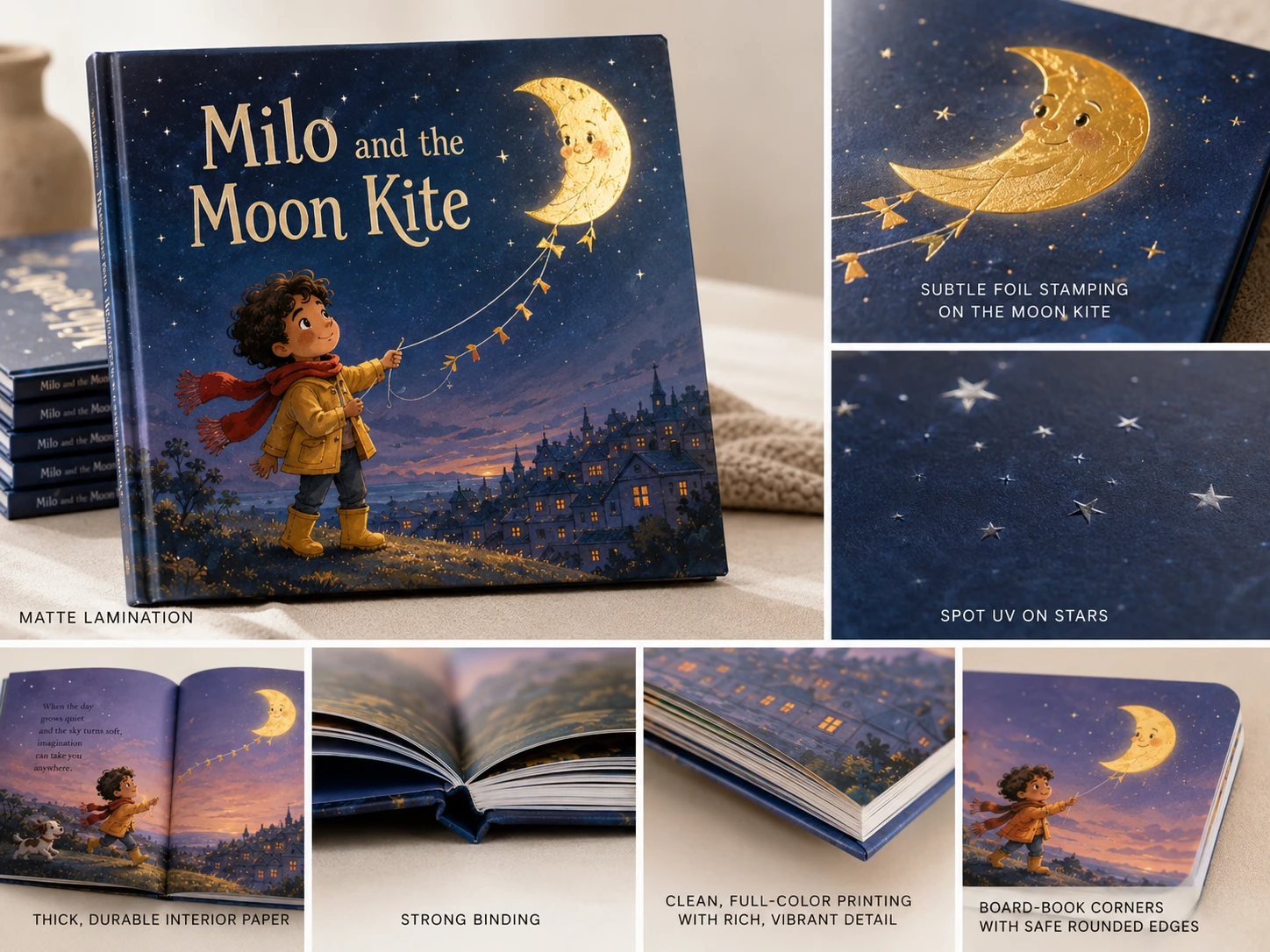
Depending on the project, useful printing features may include:
- Full-color offset printing
- Durable binding
- Rounded corners for board books
- Matte or gloss lamination
- Soft-touch cover finish
- Spot UV on cover details
- Foil stamping for premium editions
- Thick paper for better durability
- Safe inks and coatings
- Strong packaging for shipping
The right printing choices help protect the book and improve the reading experience.
Common Mistakes to Avoid
Writing Too Much Text
Picture books rely on both words and images. Too much text can slow the story and reduce the impact of the illustrations.
Treating Illustrations as Decoration
Illustrations should carry story information, not simply repeat the text. Strong visual storytelling keeps children engaged.
Using Forced Rhyme
Rhyme can work well, but forced rhyme can make the story feel awkward. Natural rhythm is more important than rhyme.
Ignoring the Target Age Group
A book for toddlers should be very different from a book for six-year-olds. Language, themes, format, and interaction should match the audience.
Skipping Professional Editing
A short book still needs editing. Children’s books require precise language, strong pacing, and careful structure.
Forgetting Print Requirements
Artwork should be created with printing in mind. Bleed, margins, resolution, color mode, binding, and paper choice all affect the final result.
Work With a Professional Children’s Book Printing Manufacturer
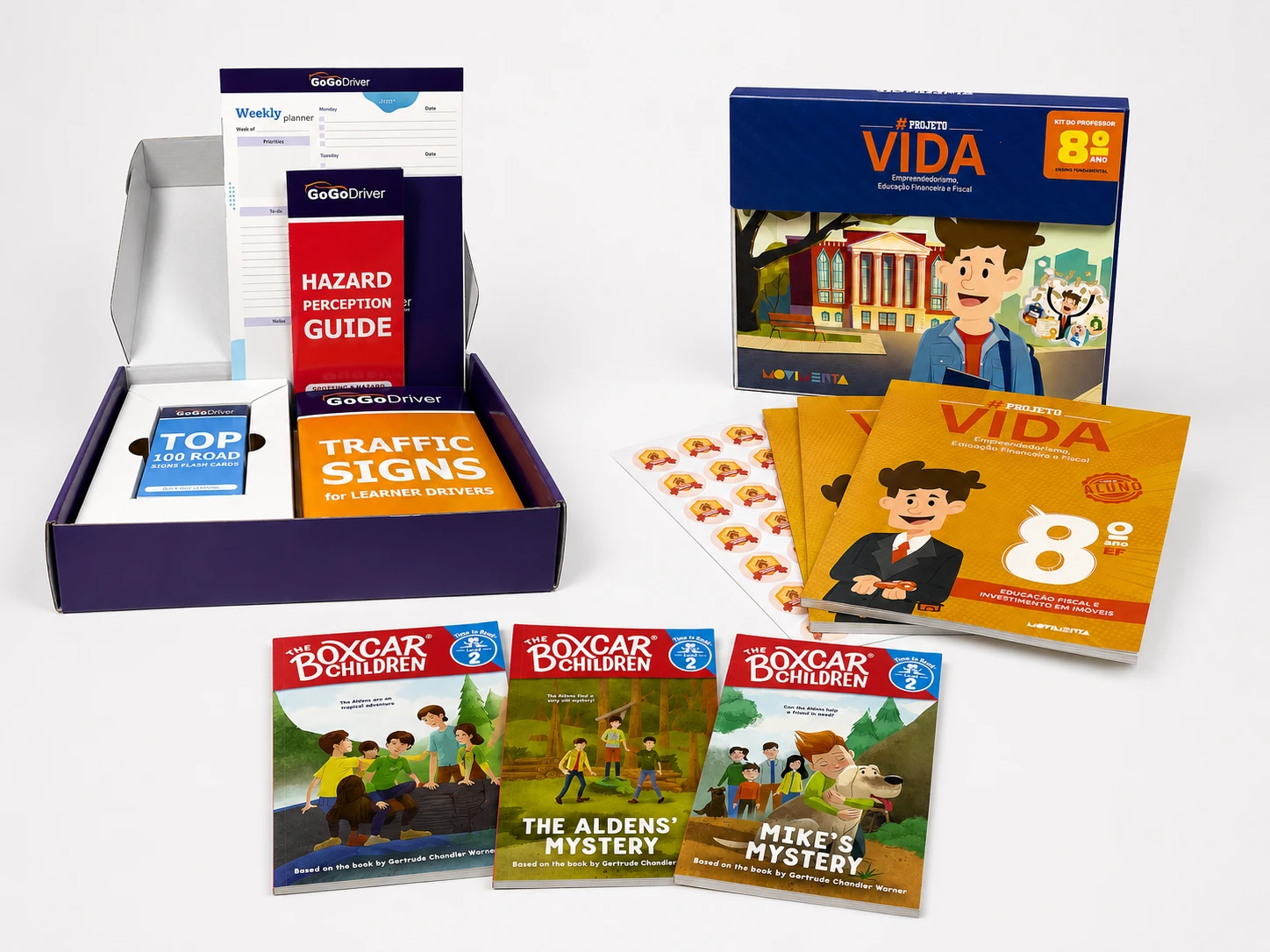
A professional children’s book printing manufacturer can help turn your creative project into a finished book that feels polished, durable, and market-ready.
Whether you are printing a paperback picture book, hardcover children’s book, board book, pop-up book, or interactive educational book, the right printing partner can help you choose suitable paper, binding, finishes, and production methods.
With careful planning and professional printing, your children’s picture book can become a book that young readers enjoy, remember, and ask to read again.