Wire-O Binding vs Spiral Binding: Best Choice for Custom Printed Books
When producing custom printed books, manuals, workbooks, journals, calendars, or presentation materials, choosing the right binding method is just as important as selecting paper, cover material, and printing finishes. The binding affects how the product opens, how durable it feels, how easy it is to write in, and how professional it looks.
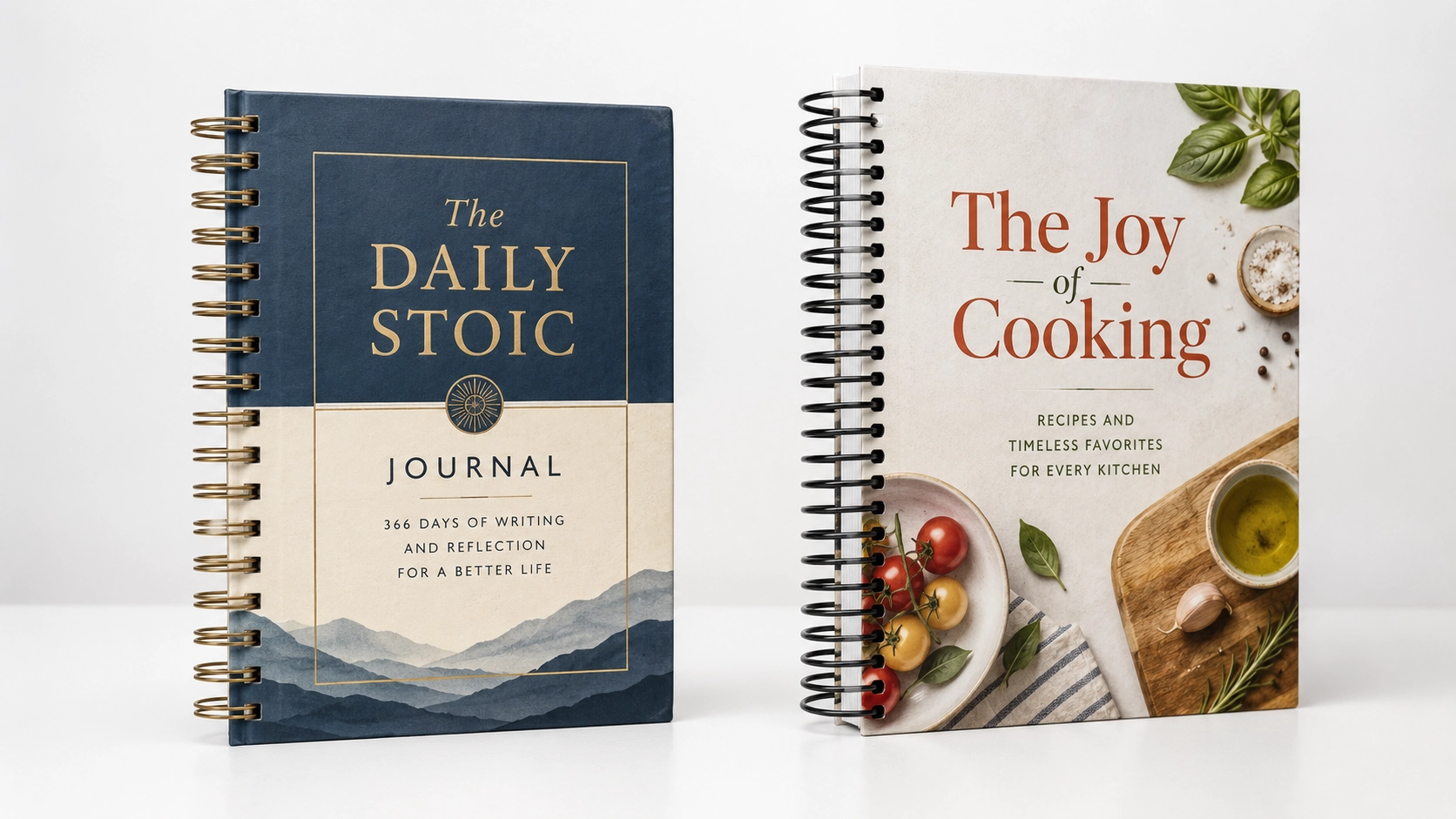
Two popular options for lay-flat printed products are Wire-O binding and spiral binding. Both are practical choices for documents that need to open flat or fold back on themselves, but they are not exactly the same. Each binding style has its own structure, appearance, cost considerations, and best-use applications.
In this guide, we will explain the differences between Wire-O binding and spiral binding, compare their advantages, and help you decide which one is better for your next custom printing project.
What Is Wire-O Binding?
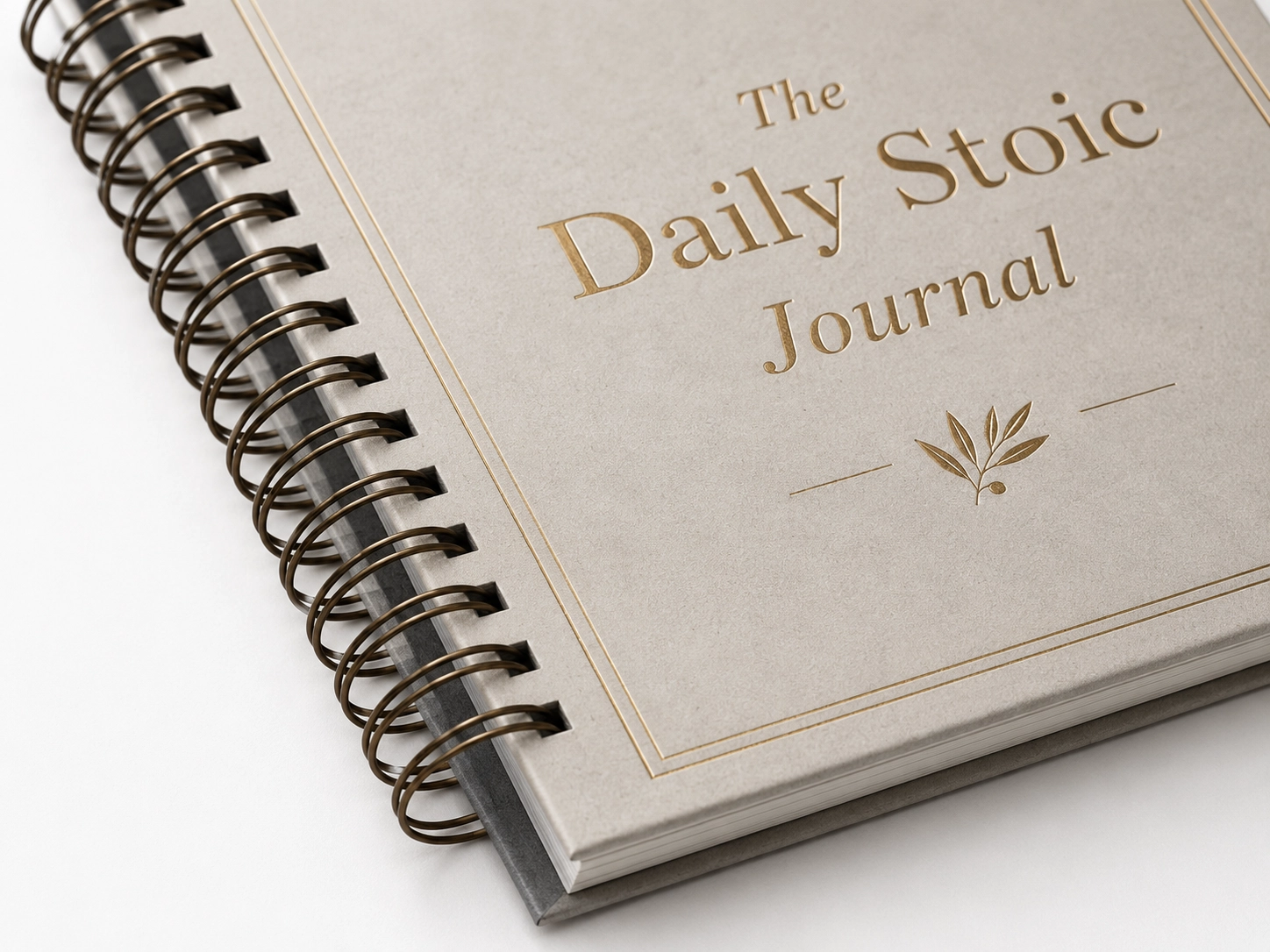
Wire-O binding, also known as double loop binding, twin loop binding, double-O binding, or wire binding, uses a series of metal wire loops to hold printed pages together. The pages are punched with evenly spaced holes along one edge, and the wire loops are inserted through the holes before being closed tightly.
This binding method creates a clean, professional, and structured appearance. Because the loops are made from metal wire, the finished product often looks more refined than a standard plastic coil.
Wire-O binding is commonly used for:
Presentation documents
Business reports
Notebooks
Journals
Calendars
Manuals
Training books
Catalogs
Product guides
Recipe books
Planners
One of the biggest advantages of Wire-O binding is that the pages can lie flat when opened. This makes it very convenient for writing, reading, note-taking, and hands-free use.
What Is Spiral Binding?
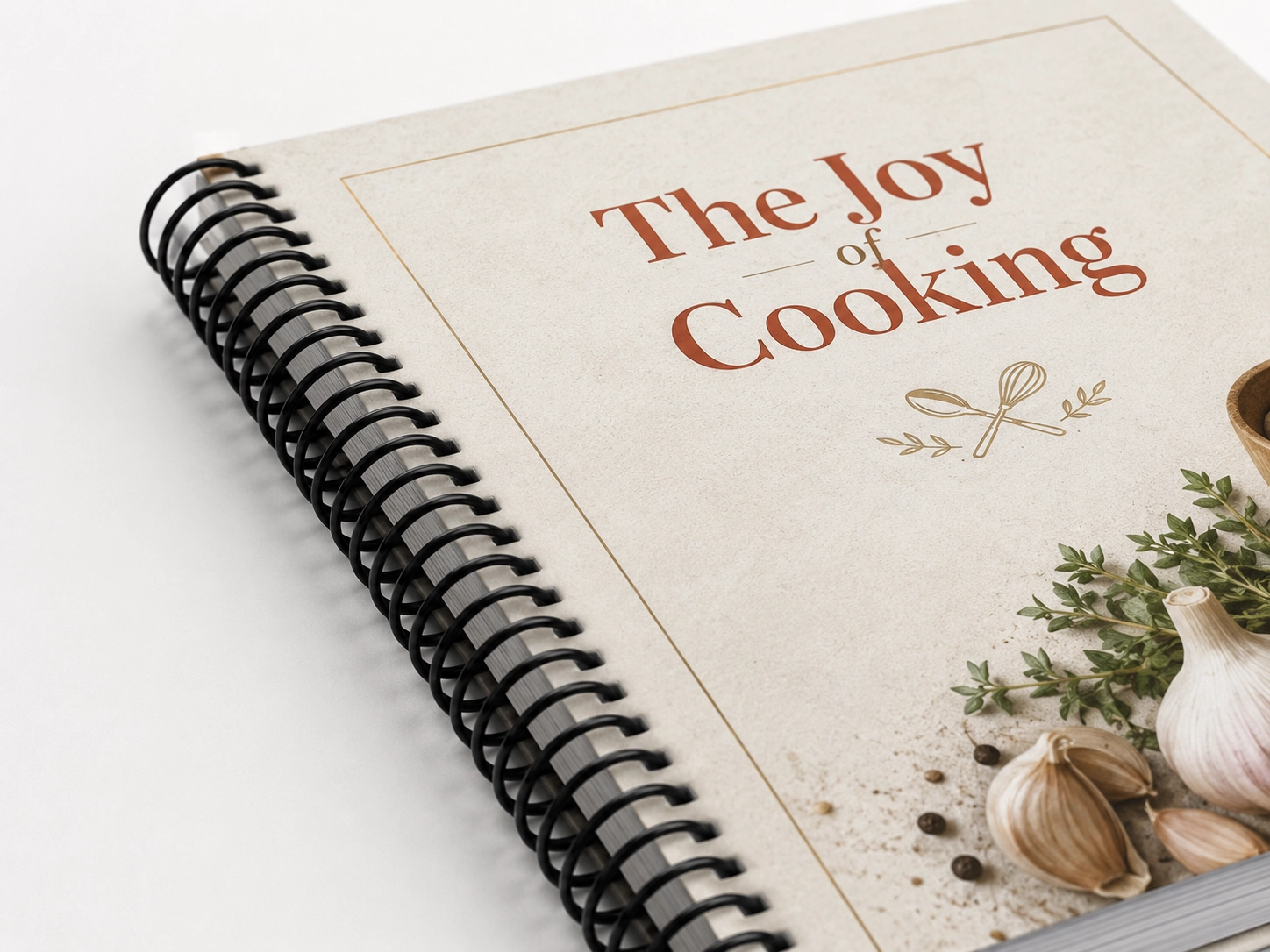
Spiral binding, also called coil binding, uses one continuous plastic or metal coil that passes through a row of punched holes along the edge of the pages. The coil is twisted through the holes and secured at both ends.
Compared with Wire-O binding, spiral binding has a more flexible and casual appearance. It is especially useful for printed materials that need frequent handling, page turning, or long-term practical use.
Spiral binding is commonly used for:
Workbooks
Educational materials
Training manuals
Cookbooks
Coloring books
Notebooks
Instruction guides
Safety manuals
Study books
Music books
Internal company documents
Spiral binding also allows the pages to open flat and fold back completely, making it a strong choice for materials that need to be used while writing, cooking, studying, or working.
Main Similarities Between Wire-O and Spiral Binding
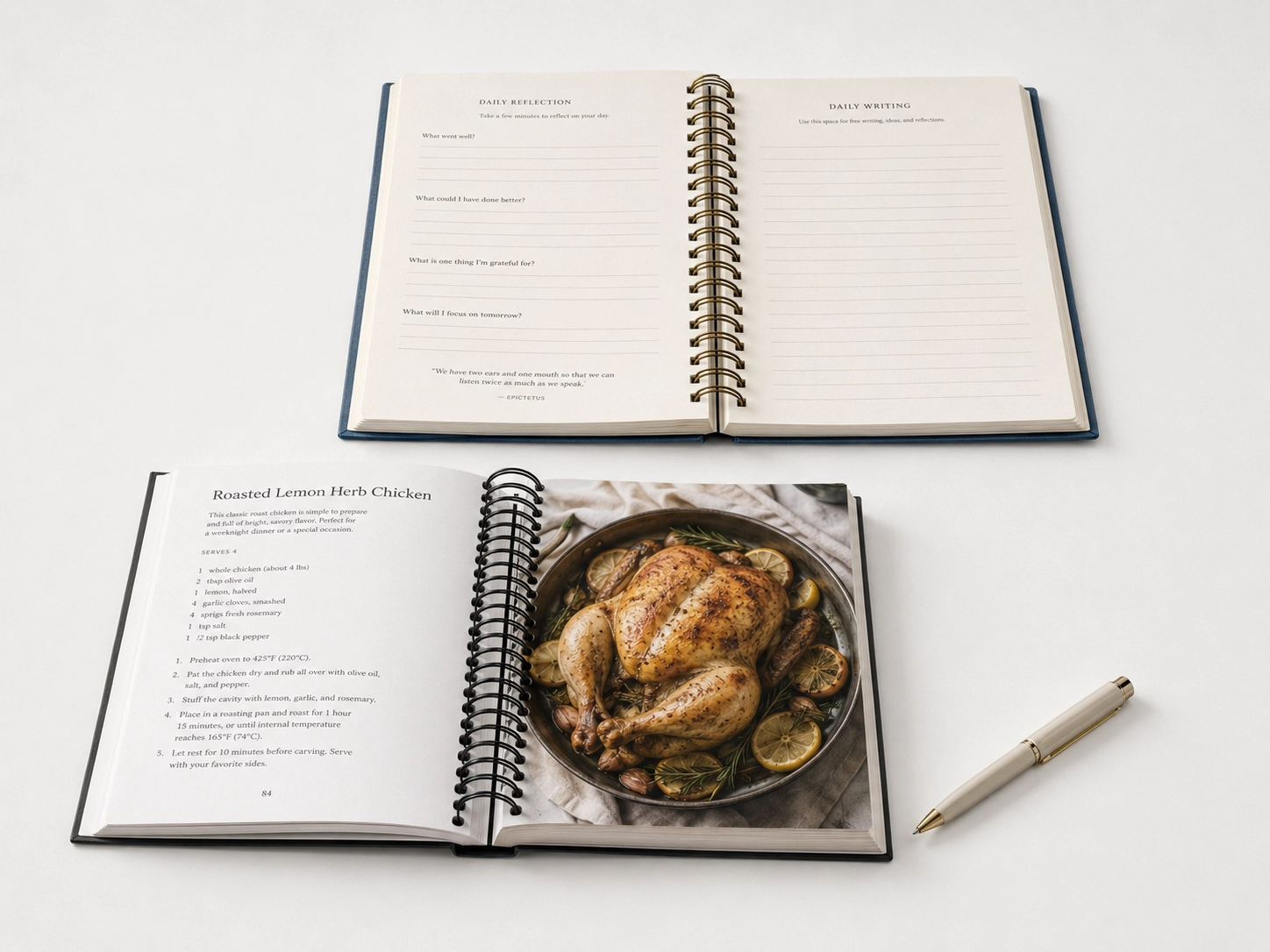
Wire-O binding and spiral binding are often compared because they share several practical advantages.
Both Can Lie Flat
Both binding methods allow the book or document to lie flat when opened. This is very useful for readers who need to write notes, follow instructions, or keep the pages open without holding the book down.
Both Allow 360-Degree Page Turning
Both Wire-O and spiral-bound products can usually be folded back on themselves. This saves desk space and makes the book easier to use in classrooms, offices, kitchens, workshops, and training environments.
Both Are Suitable For Short-Run And Custom Printing
These binding methods are practical for both small and medium print runs. They are often used for custom projects where flexibility, usability, and fast production are important.
Both Work with Different Page Sizes
Wire-O and spiral binding can be used for many formats, including portrait, landscape, square, and custom sizes.
Key Differences Between Wire-O Binding and Spiral Binding
Although they look similar at first glance, Wire-O binding and spiral binding have clear differences in structure, appearance, durability, and project suitability.
Binding Structure
Wire-O binding uses individual double wire loops. These loops are inserted into the punched holes and then closed to form a neat row of parallel rings.
Spiral binding uses one continuous coil. The coil moves through each hole in a spiral shape from one end of the book to the other.
This structural difference affects both the appearance and the way the book feels when handled.
Appearance
Wire-O binding usually looks more professional and premium. The metal loops create a clean, organized, and elegant finish. It is often preferred for business presentations, calendars, notebooks, planners, and high-quality printed materials.
Spiral binding has a more flexible and practical look. It is less formal but very functional. It is often used for educational books, manuals, workbooks, and documents that are handled frequently.
Choose Wire-O if you want:
A polished appearance
A professional presentation style
A more premium look
A cleaner spine structure
A better option for client-facing materials
Choose Spiral Binding if you want:
A practical and flexible structure
A casual appearance
Easy handling for daily use
More color options for the coil
A durable choice for frequent page turning
Material Options
Wire-O binding usually uses metal wire. Common wire colors include black, white, silver, gold, bronze, and other custom colors depending on supplier availability.
Spiral binding commonly uses plastic coils, although metal coils can also be used. Plastic coils are available in many colors, which makes spiral binding more flexible for branding or product matching.
For example, a children’s workbook may use a bright-colored plastic coil, while a professional planner may use black or silver Wire-O binding for a more elegant finish.
Page-Turning Experience
Both binding methods allow smooth page turning, but they feel slightly different.
Wire-O binding feels more structured. Pages turn cleanly, and the book has a tidy appearance when opened. However, if the wire is bent by heavy pressure, it may affect the page-turning experience.
Spiral binding is more flexible. The coil can handle frequent movement and page turning well. This makes it suitable for workbooks, manuals, cookbooks, and other books used repeatedly.
Durability
Durability depends on the binding material, page count, cover thickness, and how the product will be used.
Wire-O binding is durable and professional, but the metal loops can be bent if the book is crushed or packed carelessly. Once the wire is deformed, it may not look as neat.
Spiral binding is very flexible and can handle repeated use. Plastic coils are less likely to permanently bend like metal wire, making them practical for daily-use materials.
For products that need a premium appearance, Wire-O binding is often preferred. For products that need heavy use and flexibility, spiral binding may be more suitable.
Page Count and Thickness
Both binding methods can handle different page counts, but the final choice depends on the thickness of the book.
Wire-O binding works well for medium-thickness projects and products that need a clean professional spine. For very thick books, larger wire sizes may be required, which can affect the overall appearance.
Spiral binding can often handle a wider range of thicknesses because the coil can be selected according to the number of pages. This makes it useful for thick manuals, training books, and workbooks.
Before production, the printer should confirm the correct hole pattern, coil diameter, wire size, and margin position based on the page count and paper thickness.
Best Applications for Wire-O Binding
Wire-O binding is best for printed products that need to look professional, organized, and polished.
It is commonly used for:
Business reports
Product catalogs
Corporate presentations
Premium notebooks
Diaries and planners
Wall calendars
Desk calendars
Training documents
Marketing materials
High-end manuals
Brand presentation books
Wire-O binding is especially suitable when the printed product will be shown to clients, used in meetings, or sold as a premium stationery item.
For example, a corporate brand guide or product presentation book will often look better with Wire-O binding because the metal loops create a more refined appearance.
Best Applications for Spiral Binding
Spiral binding is best for printed materials that need flexibility, frequent use, and easy handling.
It is commonly used for:
School workbooks
Educational books
Instruction manuals
Cookbooks
Music books
Coloring books
Training manuals
Safety guides
Notebooks
Recipe books
Internal documents
Workshop materials
Spiral binding is especially useful when the book needs to stay open on a desk or be folded back while in use.
For example, a cookbook benefits from spiral binding because the pages can lie flat while the reader follows a recipe. A workbook also benefits because students can write directly on the pages without the book closing.
Cover and Paper Options
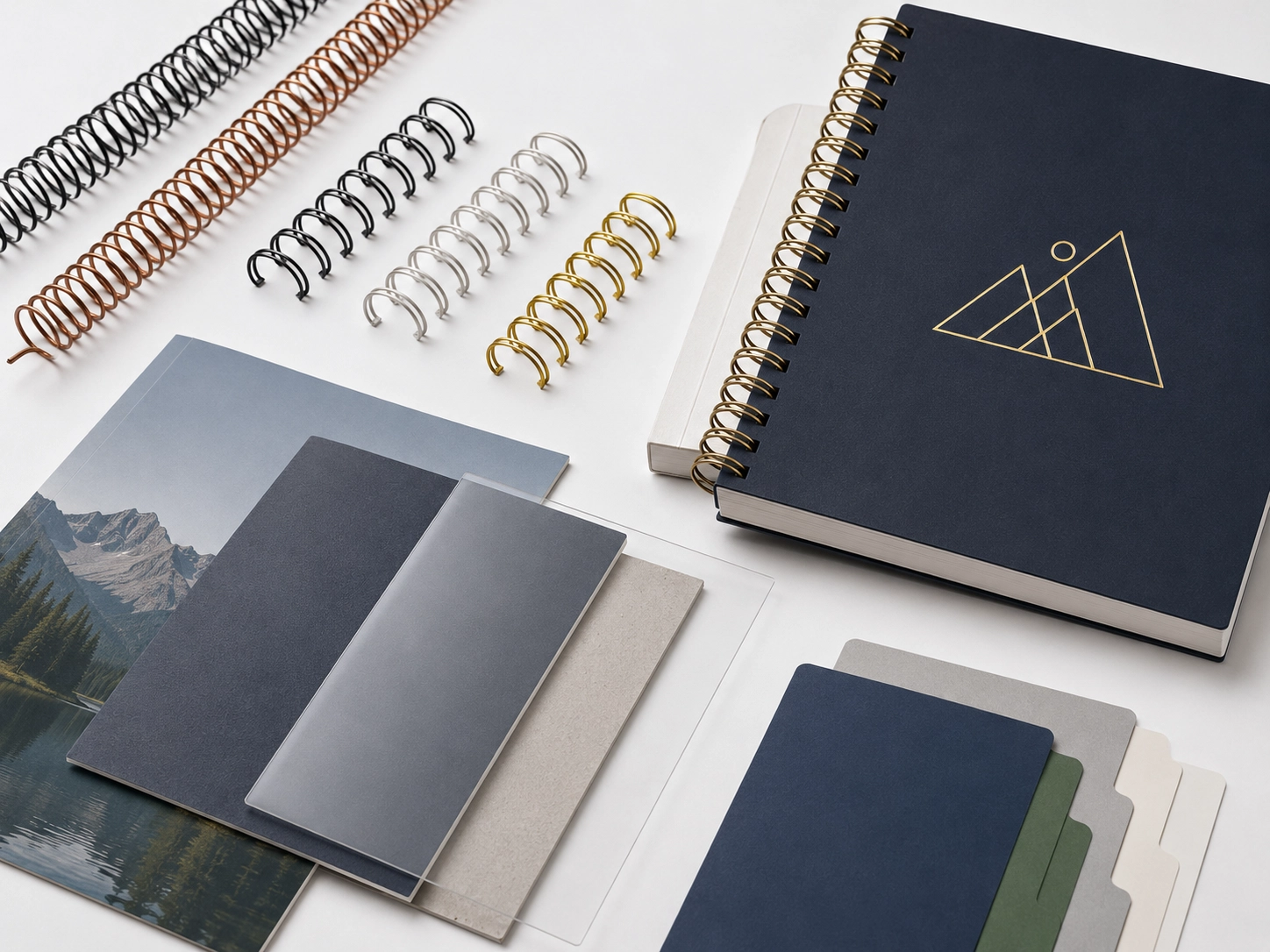
Both Wire-O and spiral binding can be combined with different cover and paper options.
Cover Options
Common cover options include:
Printed paper cover
Laminated cover
PVC clear cover
PP plastic cover
Grey board back cover
Hardcover board
Soft-touch laminated cover
Matte laminated cover
Gloss laminated cover
For more professional projects, a thick laminated cover can improve durability and presentation. For daily-use manuals or workbooks, plastic covers can help protect the pages from wear.
Inner Paper Options
The inner paper should be selected based on the product’s function.
For notebooks and journals, uncoated paper is often preferred because it is easier to write on.
For catalogs and presentation books, coated art paper may be used for better image quality.
For workbooks and manuals, offset paper or matte paper can improve readability and reduce glare.
Printing and Finishing Options
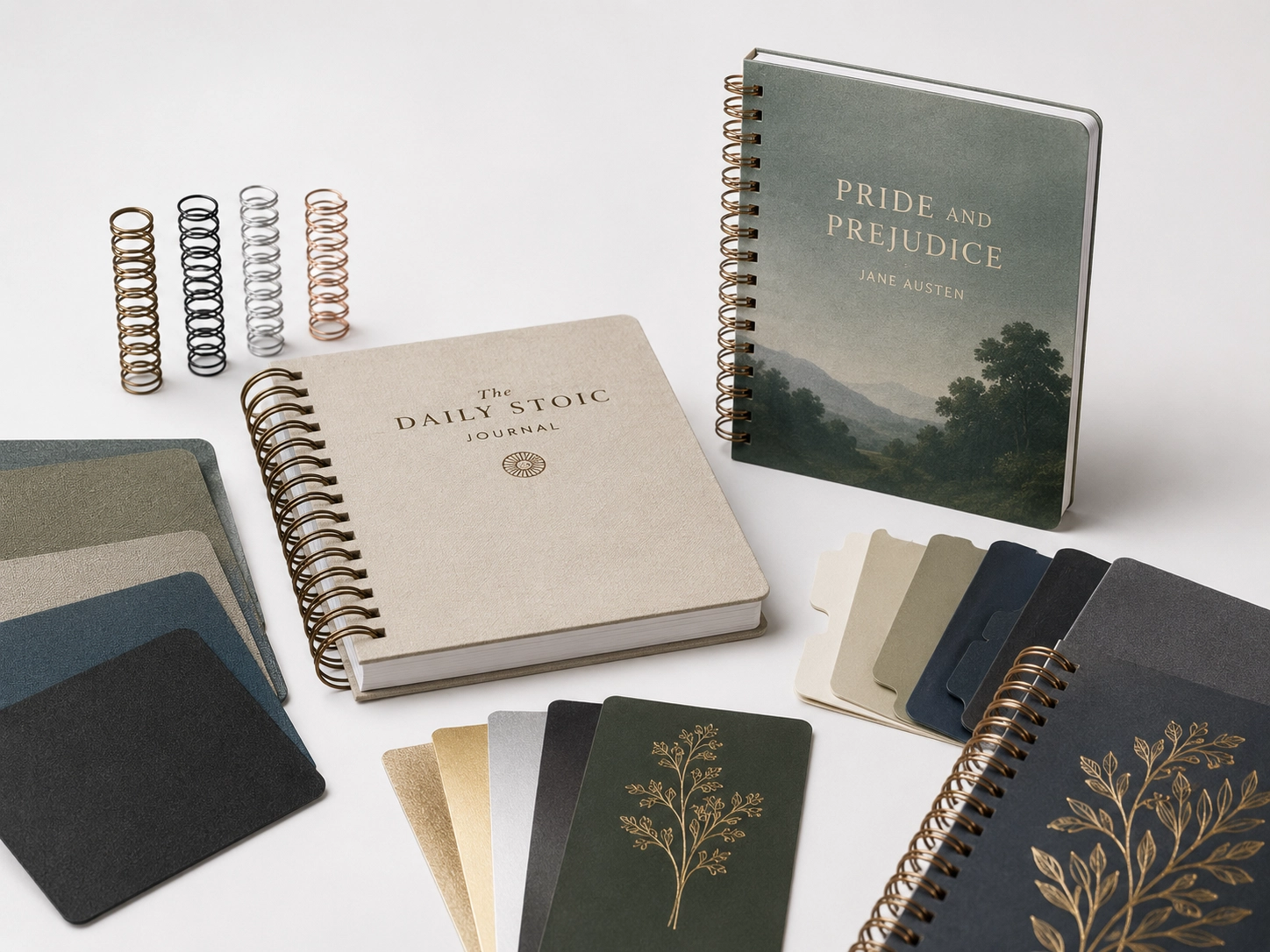
Wire-O and spiral-bound books can also include a range of printing and finishing options.
Common options include:
Full-color printing
Black-and-white printing
Pantone color printing
Matte lamination
Gloss lamination
Soft-touch lamination
Spot UV
Foil stamping
Rounded corners
Tab dividers
Divider pages
Index pages
Custom punched holes
For premium notebooks, planners, or calendars, foil stamping and soft-touch lamination can make the product feel more valuable. For educational and training materials, practical details such as tab dividers and durable covers may be more important.
Durability and User Experience
When choosing between Wire-O and spiral binding, it is important to consider how the product will be used.
If the book will be used in a professional setting, appearance may be the top priority. In that case, Wire-O binding often provides a better visual result.
If the book will be used every day, opened repeatedly, folded back, carried in bags, or used in classrooms or kitchens, spiral binding may be more practical.
Wire-O Binding User Experience
Clean and professional
Easy to open flat
Good for writing and presentation
Suitable for premium products
May bend under heavy pressure
Spiral Binding User Experience
Flexible and durable
Easy to fold back
Good for frequent use
Suitable for thick or practical documents
More casual appearance
Cost Comparison
The cost of Wire-O binding and spiral binding depends on several factors:
Book size
Page count
Paper thickness
Cover material
Binding diameter
Wire or coil material
Order quantity
Printing colors
Finishing options
Packaging requirements
In many cases, both options are cost-effective compared with traditional hardcover binding. Spiral binding may be slightly more economical for certain functional documents, while Wire-O binding may cost more depending on the metal wire and finishing requirements.
However, the final cost should not be the only deciding factor. A client-facing presentation book may justify the cleaner appearance of Wire-O binding. A frequently used training workbook may benefit more from the flexibility of spiral binding.
The best choice is the one that matches both the budget and the intended use.
Which Binding Method Should You Choose?
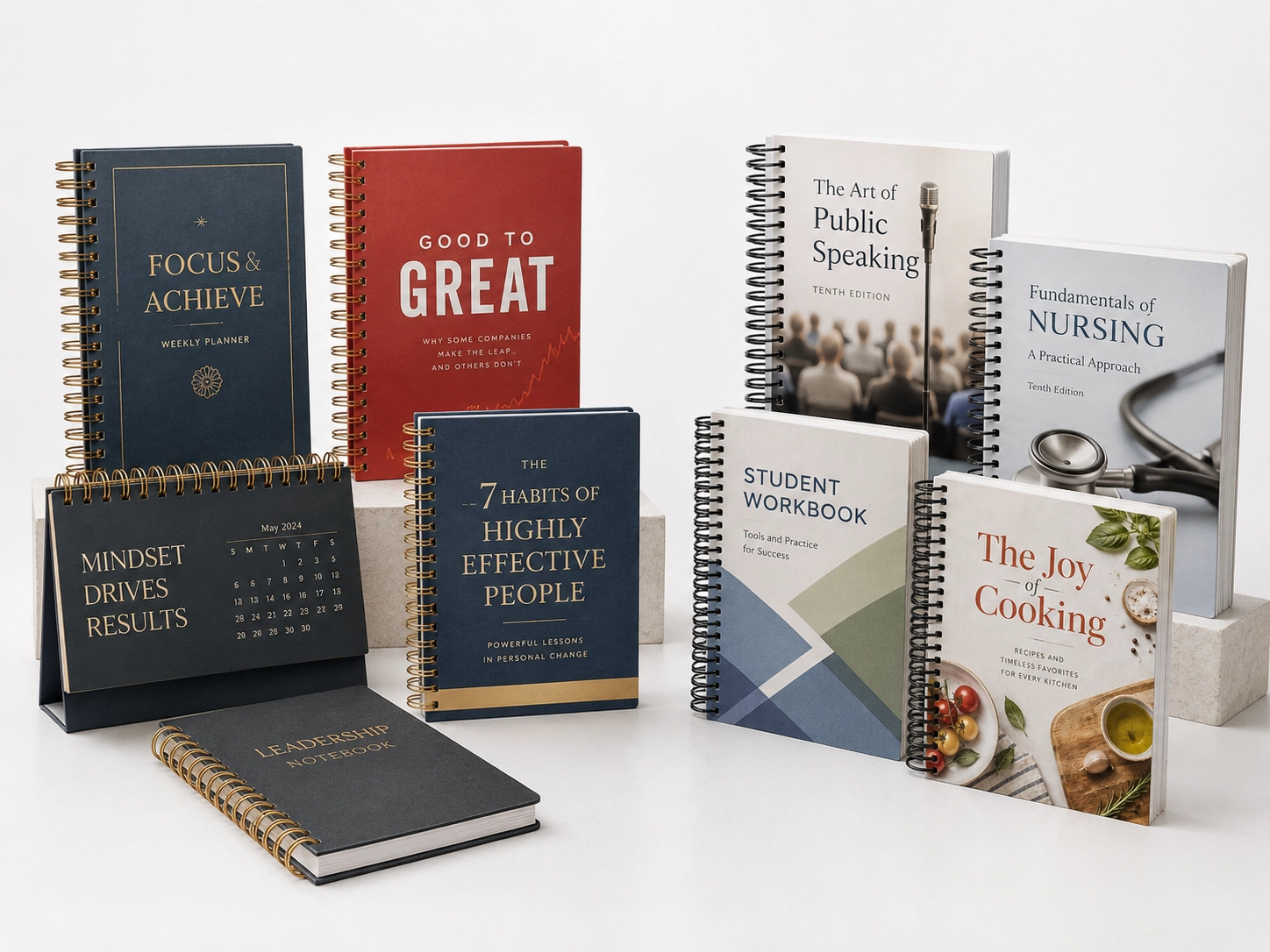
There is no single best binding method for every project. The right choice depends on your product type, design style, usage needs, and budget.
Choose Wire-O Binding If:
You want a professional and premium appearance
The product will be used for business or client presentation
You are producing calendars, planners, reports, or notebooks
You want a clean metal binding style
The book needs to lie flat for writing or display
You want the final product to look polished and organized
Choose Spiral Binding If:
The product will be used frequently
You need strong flexibility and easy page turning
The book may be folded back often
You are producing workbooks, manuals, cookbooks, or study guides
You want more coil color options
You need a practical binding for daily use
Quick Comparison Table
| Feature | Wire-O Binding | Spiral Binding |
| Also Called | Double loop binding, twin loop binding | Coil binding |
| Binding Material | Metal wire loops | Plastic or metal coil |
| Appearance | Professional and polished | Flexible and practical |
| Lay-Flat Function | Yes | Yes |
| 360-Degree Opening | Yes | Yes |
| Best For | Reports, planners, calendars, presentations | Workbooks, manuals, cookbooks, study guides |
| Durability | Strong, but wire can bend under pressure | Very flexible for frequent use |
| Custom Colors | Limited wire colors | More coil color options |
| Overall Style | Premium and structured | Casual and functional |
Final Thoughts
Wire-O binding and spiral binding are both excellent choices for printed products that need to open flat and provide a practical reading or writing experience.
Wire-O binding is best when appearance matters. It gives notebooks, calendars, reports, and presentation documents a professional and polished finish. Spiral binding is best when flexibility and frequent use are more important. It works well for manuals, workbooks, cookbooks, educational materials, and daily-use documents.
For publishers, schools, brands, and businesses, the best binding method should match the product’s purpose, audience, page count, cover design, and budget. Before production, it is helpful to confirm sample options, binding diameter, paper thickness, and cover material with an experienced printing manufacturer.
A well-chosen binding method can make your printed product easier to use, more durable, and more suitable for its market.