Card Game Guide
Custom Card Deck Printing Guide for Publishers & Brands
From material selection to packaging design — create card decks that deliver both visual quality and user experience.
Creating a successful card product is not just about printing quality. The way cards feel in hand, shuffle during gameplay, and present inside the final packaging all influence the overall user experience.
At LeadWorks Print, we work with publishers and brands to produce tarot decks, playing cards, conversation cards, educational cards, and premium collector editions with stable production quality and refined finishing.
This guide introduces the key production decisions involved in professional card deck manufacturing — including materials, finishing, packaging, card usability, and production planning.
Whether you’re developing a commercial game, educational product, or premium collector deck, this guide helps you balance durability, presentation, cost, and performance.
Common Types of Card Deck Products
Different card products are designed for different usage scenarios — from gameplay to learning and interaction.
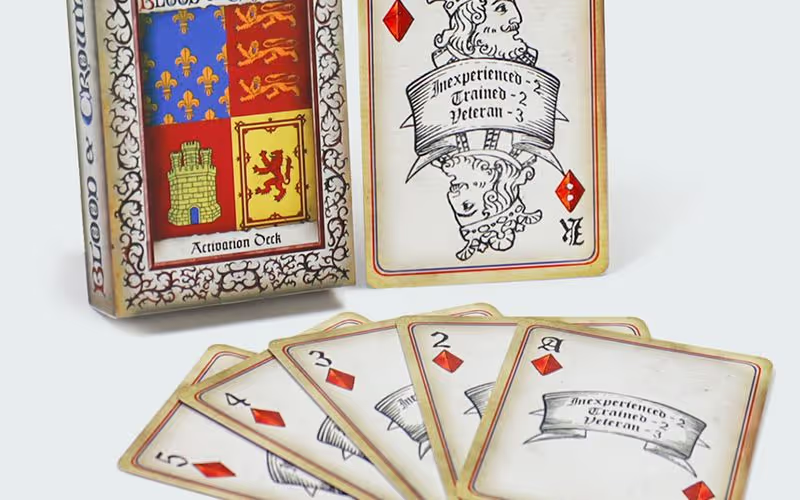
Playing Cards
Designed for frequent handling and smooth shuffling.
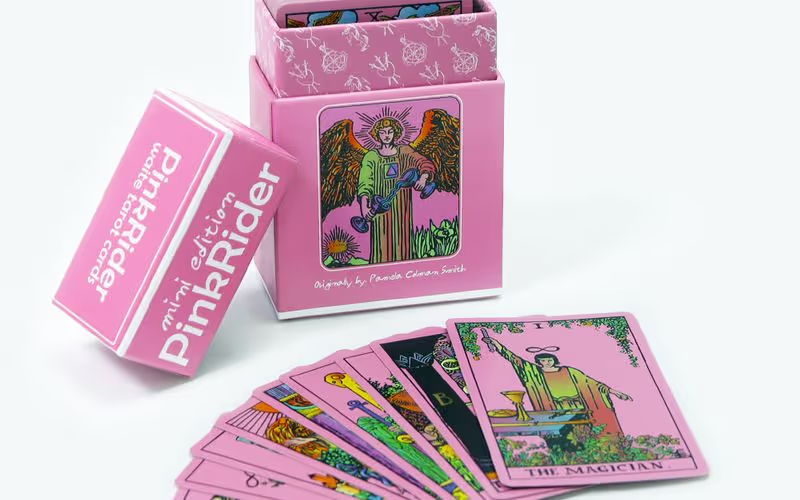
Tarot & Oracle Cards
Focused on artwork and presentation, often paired with premium packaging.
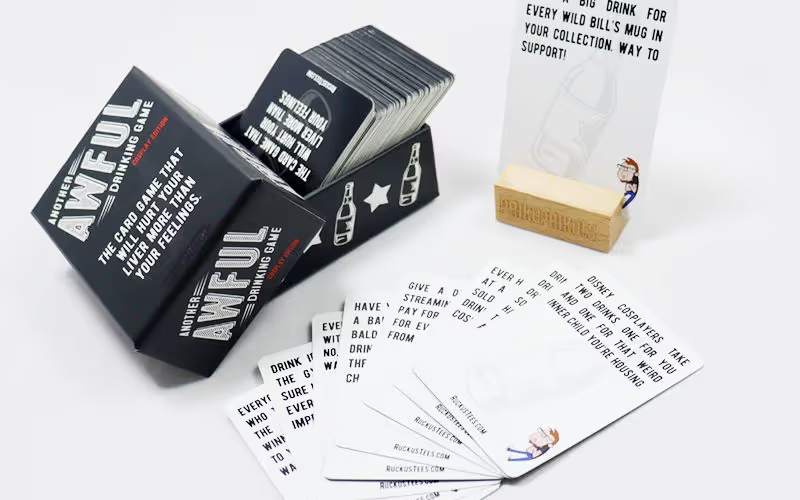
Conversation & Interactive Cards
Content-driven cards designed for interaction, storytelling, and user engagement. These are commonly used in socialgames, brand experiences, and guided activities.
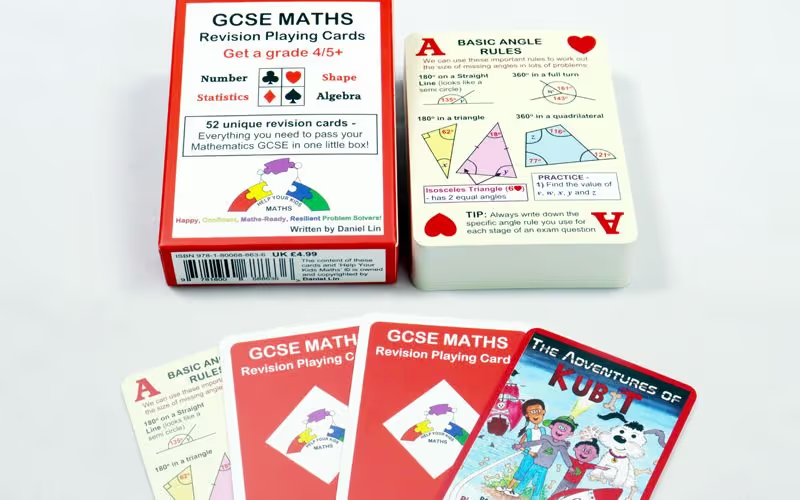
Educational / Flash Cards
Used for learning and repetition, requiring durability and high readability.
👉 The intended use of your cards directly affects material selection, finishing methods, and packaging structure.
Card Feel & Performance
The feel of your cards directly affects how users interact with the product.
Smooth Enough for Shuffling
Cards should move naturally duringgameplay or repeated handling.
Stiff Enough for Durability
The structure should feel stable without becoming too rigid.
Resistant to Wear
Repeated use requires suitable material and surface protection.
👉Gameplay Insight
Cards that are too thin may feel weak and wear out quickly.
Cards that are too thick may reduce shuffle performance and feel less natural during gameplay.
For most publisher projects, achieving balance is more important than simply choosing the thickest material.
Card Materials
Card materials should be selected based on handling performance, print clarity, content use, and budget.
Card Materials for Handling Performance
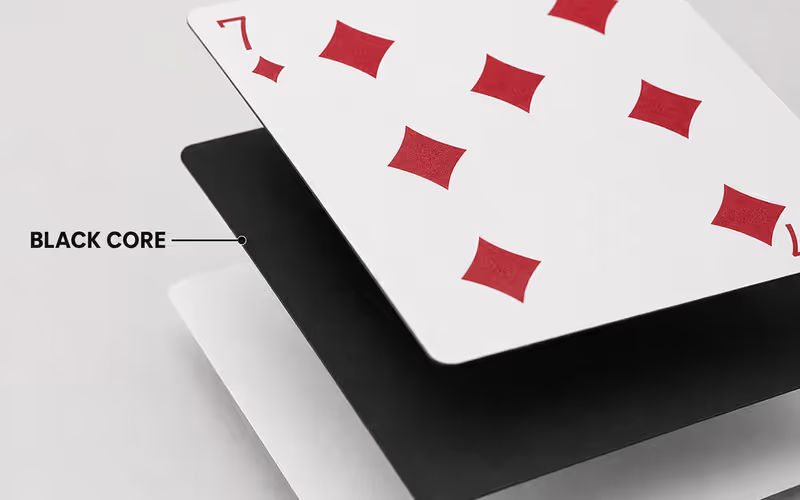
Black Core Paper
Prevents light from passing through, offering premium feel and durability. Ideal for playing cards and high-end decks.
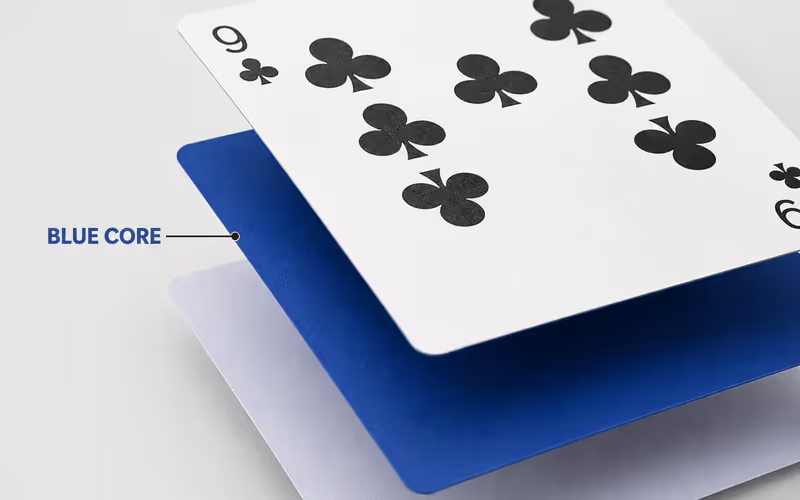
Blue / Grey Core Paper
Cost-effective alternatives with decent durability.
Card Materials for Print & Content
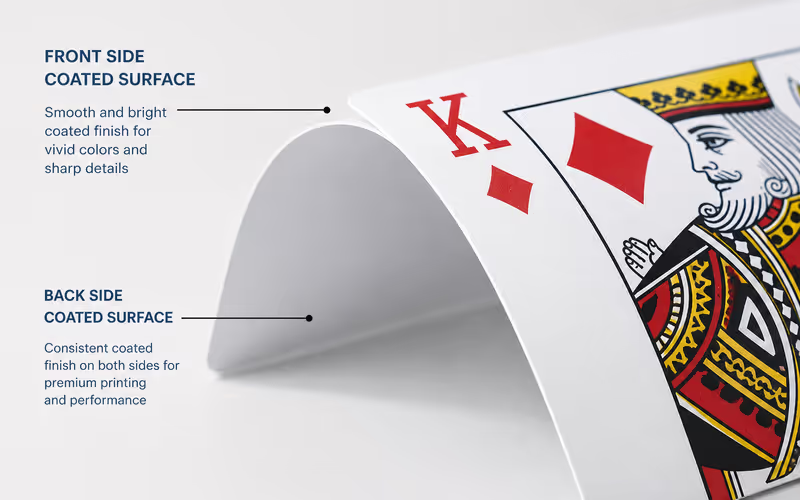
C2S Artboard (Coated Two Sides)
Smooth, bright surface ideal for high-quality printing and clear content presentation. Commonly used for educational cards, flash cards, and conversation cards.
👉Production Insight
Black core materials are optimized for gameplay performance and repeated handling.
C2S artboard, on the other hand, is better suited for content-driven products where print clarity and cost efficiency are more important than shuffle feel.
Choosing the wrong material is one of the most common production mistakes — for example, using black core materials for educational cards may increase cost without improving usability.
Card Finishing
Finishing determines how your cards look and feel.
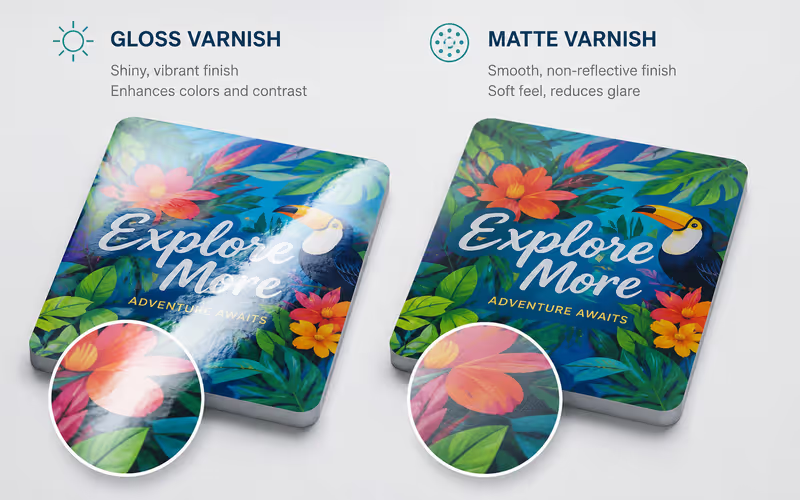
Varnish (Gloss / Matte)
Cost-effective, basic protection.
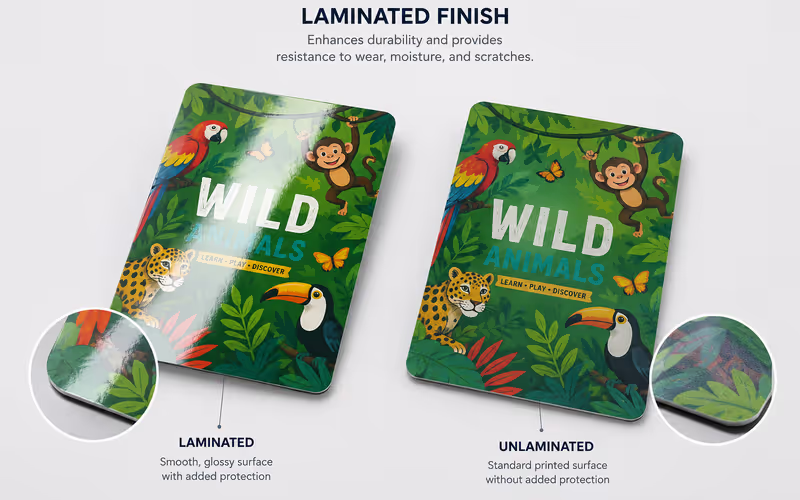
Lamination
Improves durability and resistance to wear.
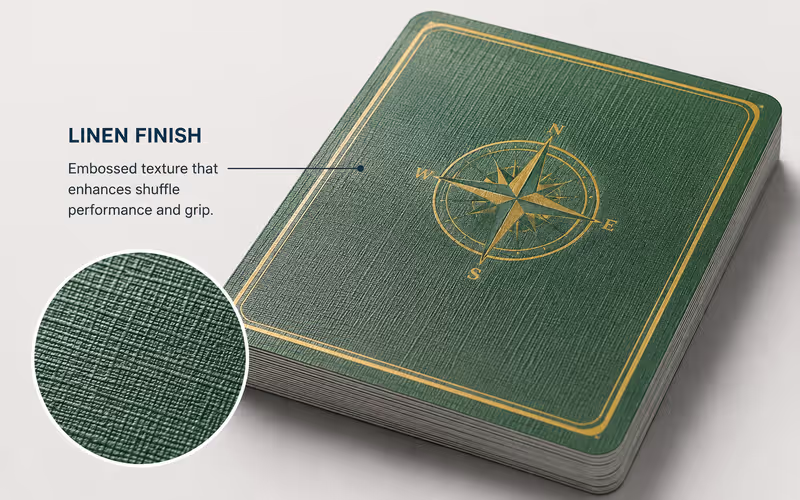
Linen Finish
Embossed texture that enhances shuffle performance and grip.
👉Gameplay/ Usage Insight
Linen finish is widely preferred for playing cards due to improved handling. However, for educational or flash cards, smoother finishes are often preferred for better readability and usability.
Card Size & Layout
Common Size | Description |
Poker Size (63 × 88 mm) | Most widely used standard. |
Bridge Size (57 × 88 mm) | Slightly narrower and easier to hold. |
Tarot Size (70 × 120 mm) | Commonly used for tarot and oracle card decks. |
Mini Size (44 × 63 mm) | Compact format for travel or expansion card sets. |
Square Size(70 × 70 mm) | Popular for memory games and educational cards. |
Jumbo Size (89 × 127 mm) | Larger format for party games or display-focused designs. |
Custom Sizes | Unique sizing, but may affect cost and usability. |
Layout Considerations
- Maintain consistent margins
- Ensure readable typography
- Consider hand size and comfort
👉 Gameplay Insight
Larger cards enhance visual impact, which is common in tarot decks, but may reduce handling comfort depending on the target audience.
Educational & Flash Card Considerations
Educational and flash cards are designed for repeated use and clear information delivery.
Readability
Clear typography and contrast help users readand understand content quickly.
Durability
Materials and surface protection should support frequent use.
Surface Feel
Smooth finishes are often preferred for readability and usability.
Ease of Handling
Card size and stiffness should be suitable for children or classroom use.
👉Production Insight
For educational products, durability is often more important than premium texture.Laminated cards are commonly used to improve lifespan and resistance to wear.
Packaging for Card Decks
Packaging plays a critical role in both presentation and protection.
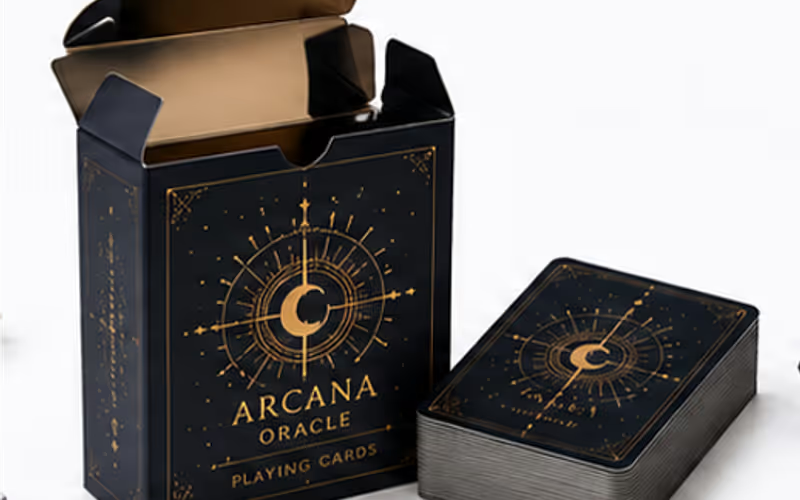
Tuck Box
Standard and cost-effective packaging for card decks.
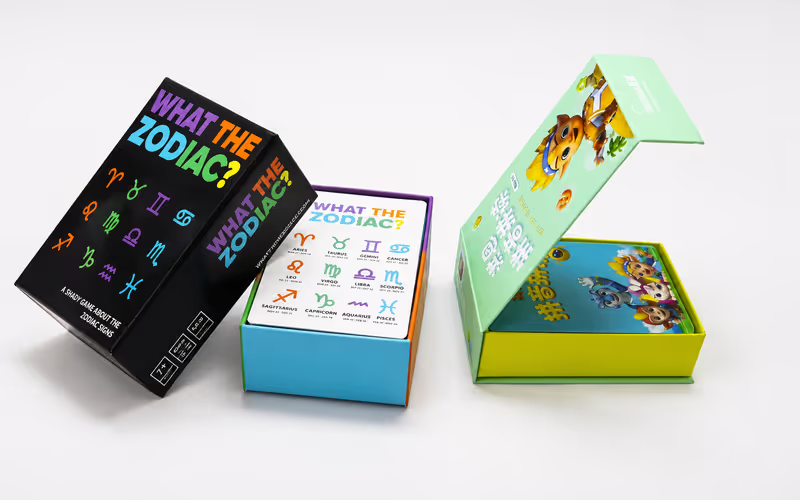
Rigid Box (Lid & Base /Magnetic)
Premium positioning for high-valueor collect or products.
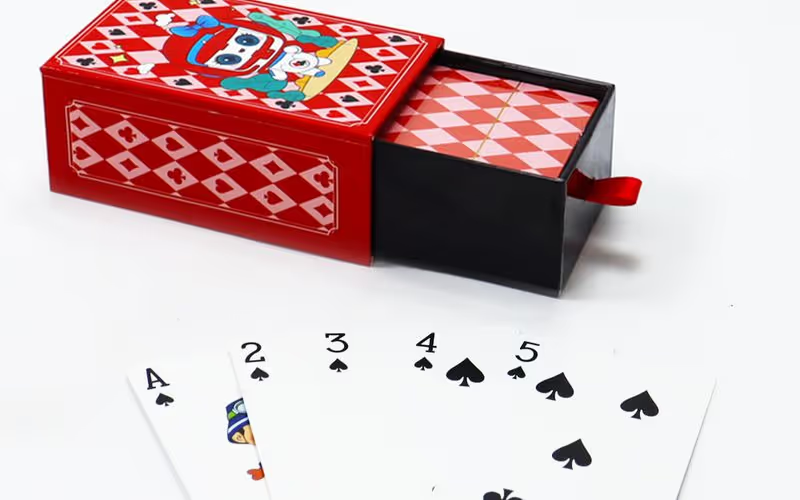
Custom Structures
Drawer, book-style, and other custom packaging formats.
👉Production Insight
Packaging structure must match card quantity and deck thickness.
Incorrect sizing may cause cards to fit too tightly (damaging edges) or too loosely (affecting presentation quality).
Optional Add-ons
Additional elements can enhance product value and should be designed together with the main deck.
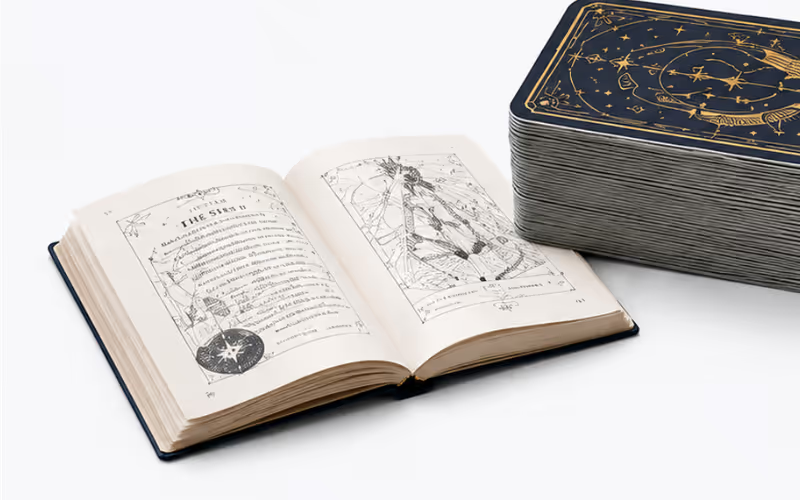
Guidebooks
Useful for tarot, oracle, educational, and activity-based card products.
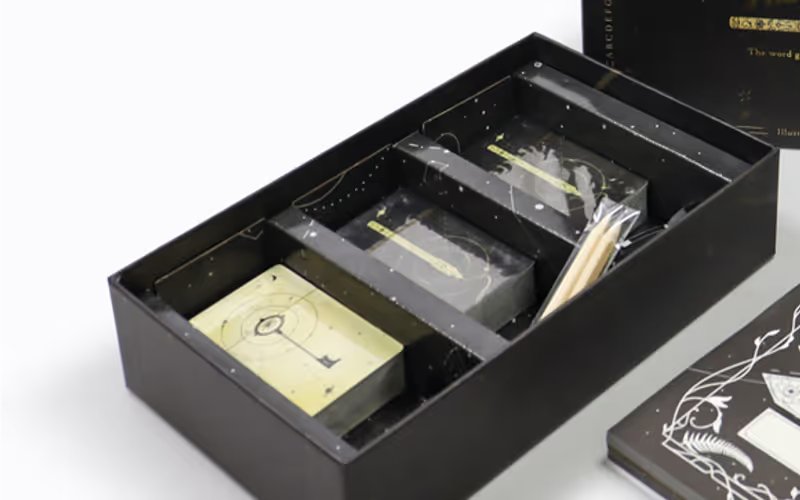
Inserts / Trays
Help organize the deck and accessories inside the packaging.
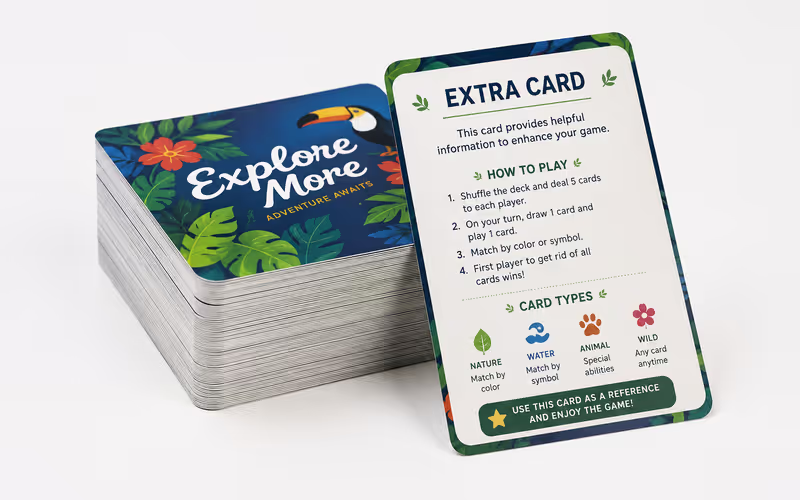
Extra Cards
Can support instructions, promotional content, or bonus gameplay functions.
👉 Additional components should be designed together with the main deck structure to ensure proper packaging compatibility.
Production Timeline
3-7 days
File Check & Sampling
Review files and prepare approvals amples.
2-4 weeks
Mass Production
Card printing, surface finishing, die-cutting, and related production.
~1 weeks
Assembly & Packaging
Deck collation, packaging, and final preparation.
👉 Total production time is typically around 3–5 weeks depending on finishing complexity and packaging requirements.
Shipping & Delivery
Shipping Method | Approximate Time |
Sea Freight | 30–40 days |
Air Freight | 5–7 days |
Express | 3–5 days |
What Affects Cost
Several factors influence overall production cost and unit pricing.
Quantity
Higher quantities usually reduce unit cost.
Material
Card stock type and thickness directly affect cost and performance.
Finishing
Varnish, lamination, linenfinish, foil, and edge effects influence pricing.
Packaging
Tuck boxes, rigid boxes,inserts, and magnetic structures can significantly affect total cost.
👉 For most card deck projects, packaging and finishing often have a greater impact on total cost than the cards themselves.
Premium packaging structures and specialty finishing significantly improve perceived value, but also increase production investment.
Recommended Card Deck Setups
Project Type | Recommended Setup |
Playing Cards | 300gsm black core + linen + tuck box |
Tarot Deck | 300gsm black core + linen + tuck box |
Conversation Cards | 300gsm + smooth + custom box |
Educational / Flash Cards | 300gsm + lamination + simple packaging |
Premium Deck | Black core + foil + edge printing + magnetic box |
Start Your Card Deck Project with Confidence
Need help selecting the right materials, finishing, or packaging structure for your card deck project? Our team supports publishers and brands from material selection to final production — helping you optimize usability, presentation, durability, and production efficiency.
Ready to Develop Your Card Deck?
Share your card type, quantity, material expectations, finishing ideas, and packaging plan – our team can suggest practical production options