Book Printing Guide
Book Printing Guide: From Concept to Production
Understand book materials, binding methods, finishing options, and production decisions — with practical manufacturing insights to help you print better books.
At LeadWorks Print, we produce a wide range of books every day, from commercial softcover runs to premium hardcover editions.
This guide is designed to help publishers, brands, and independent creators understand the key decisions involved in professional book printing — including paper selection, binding structures, finishing effects, production timelines, and file preparation.
Whether you’re planning a novel, art book, collector edition, or commercial publication, this guide provides a practical starting point before production.
Common Book Binding & Format Types
Before selecting materials or production methods, it’s important to define your book format and structure.
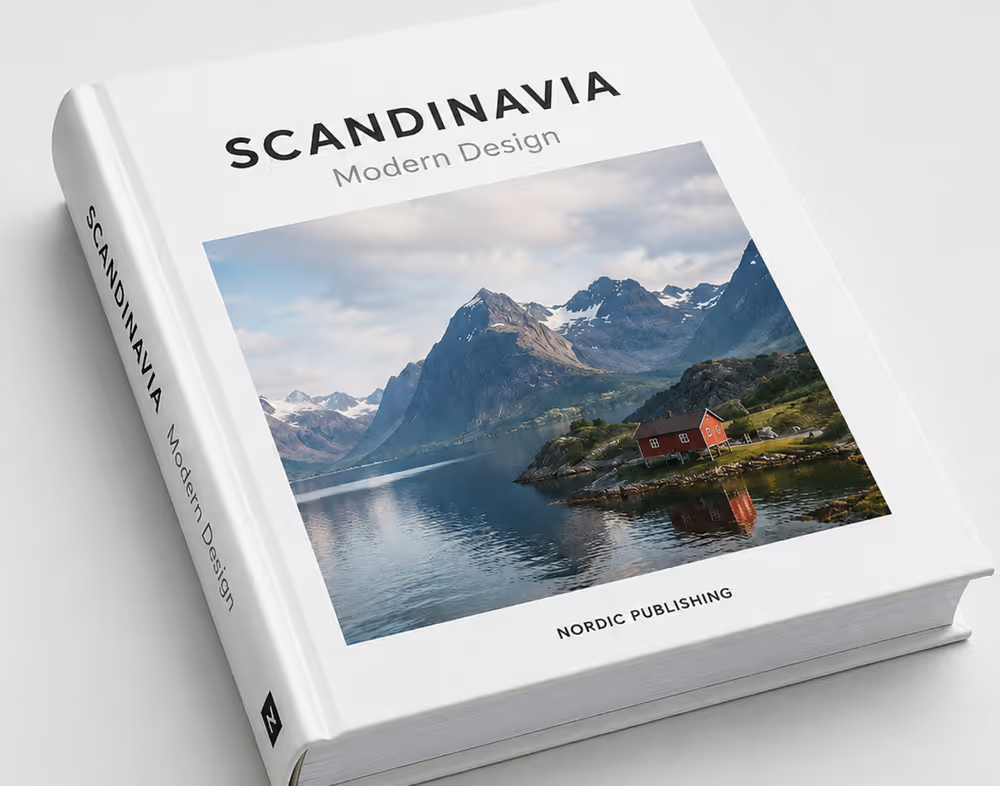
Hardcover Books (Case Bound)
Durable and premium, ideal for long-term use and high-value editions.
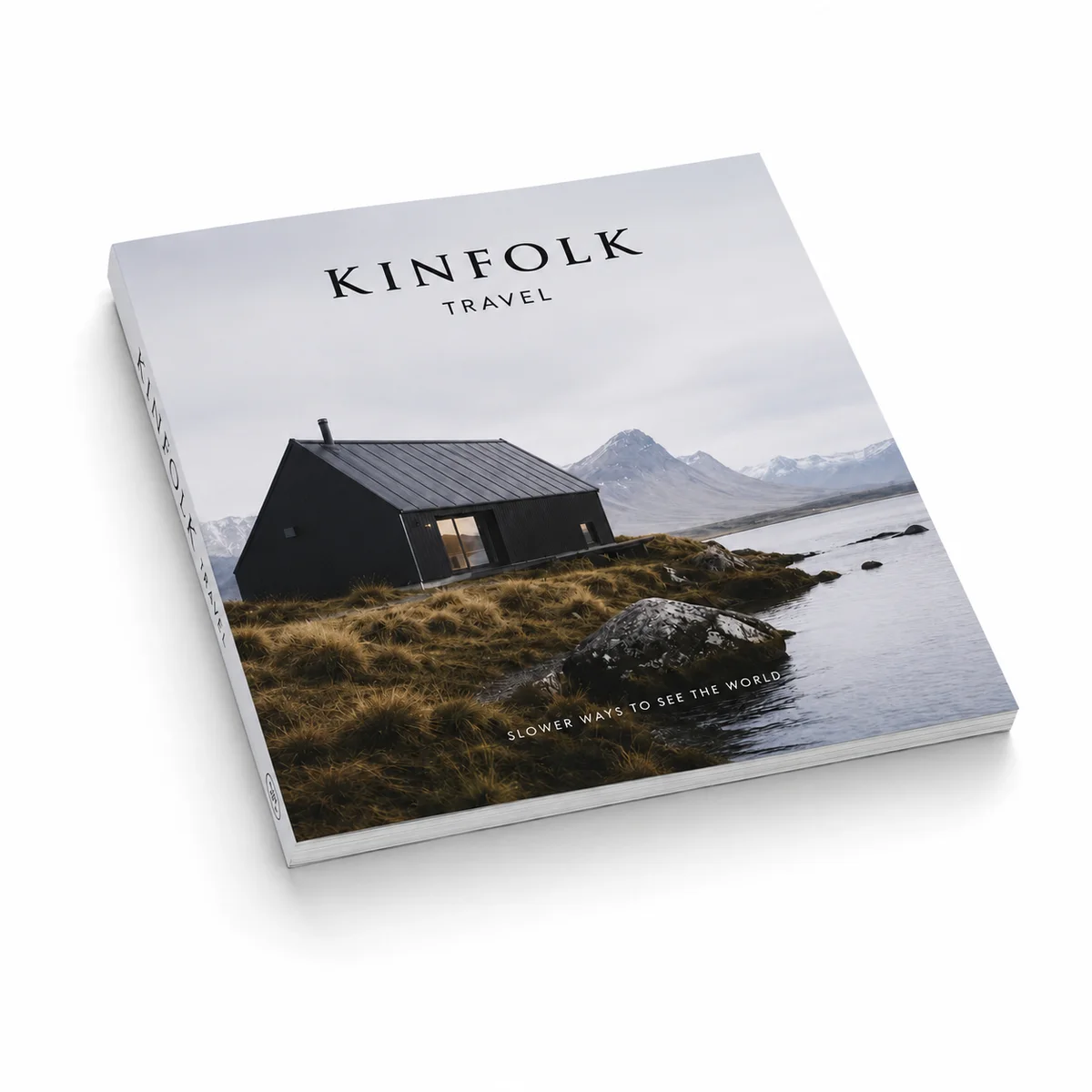
Softcover Books (Perfect Bound)
Cost-effective and widely used in commercial publishing.
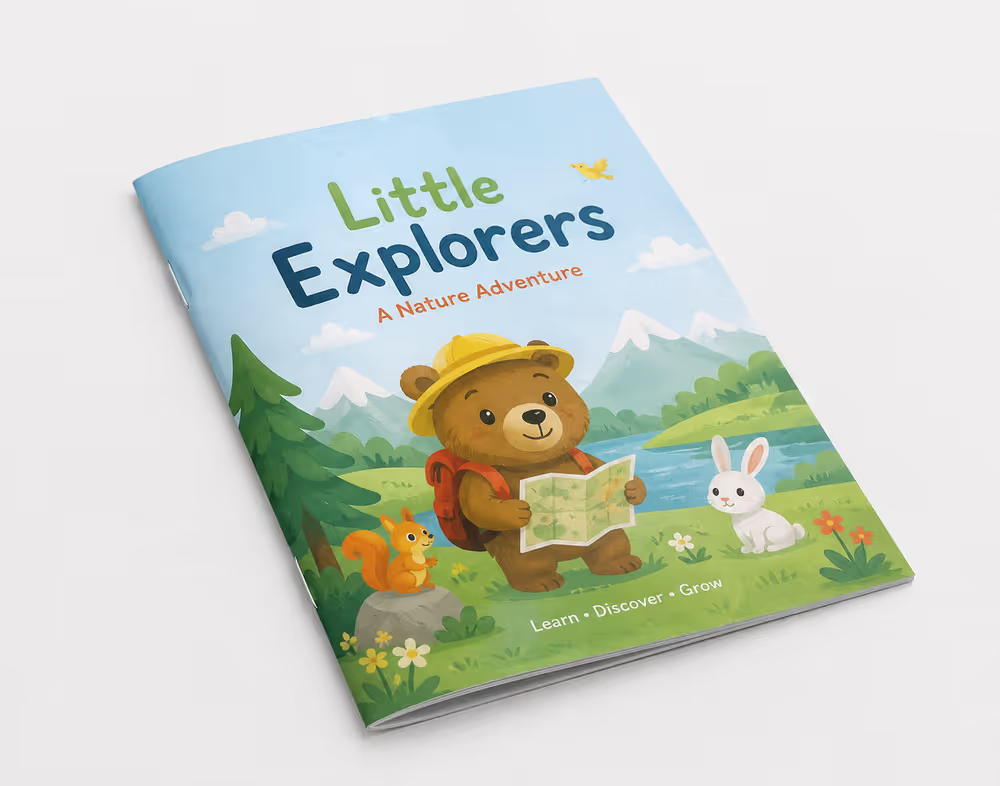
Saddle Stitched Books
Best for low-page-count booklets, catalogs, and magazines.
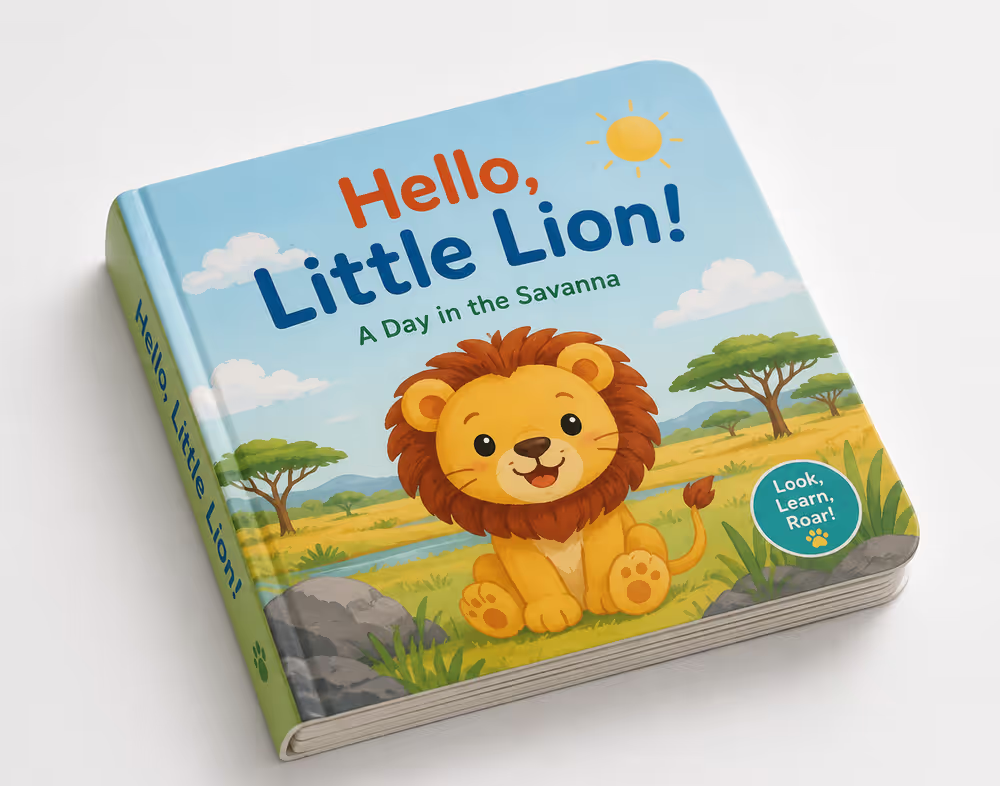
Board Books
Thick and rigid, commonly used for children's publishing.
The right format affects durability, production cost, usability, and reading experience.
How to Choose Paper for Book Printing
Paper selection plays a critical role in both print quality and user experience.
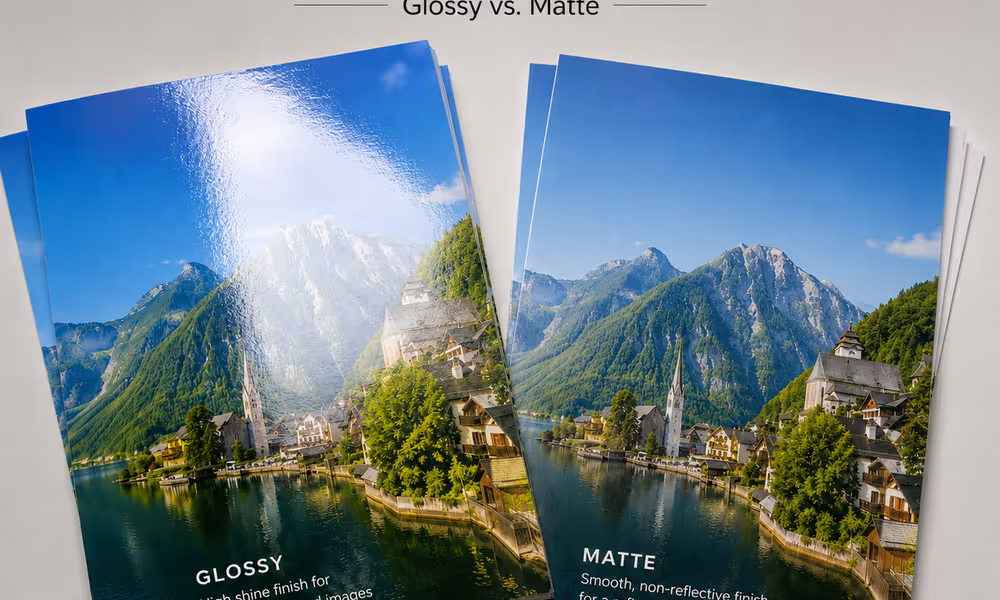
Coated Paper (Gloss / Matte)
Enhances image sharpness and color vibrancy, ideal for art books and catalogs.
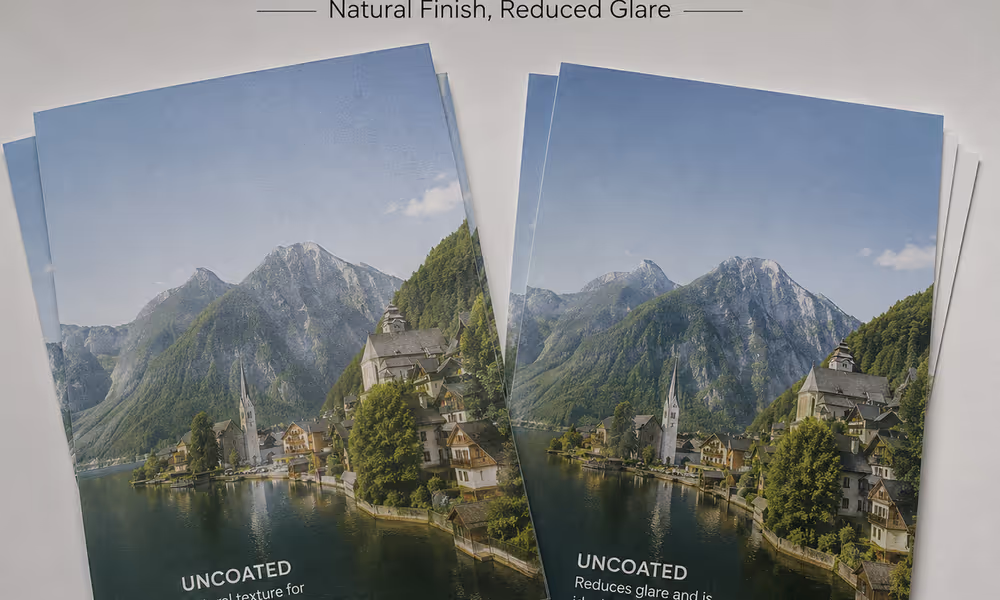
Uncoated Paper
Provides a natural texture and reduces glare, making it more suitable for text-heavy books.
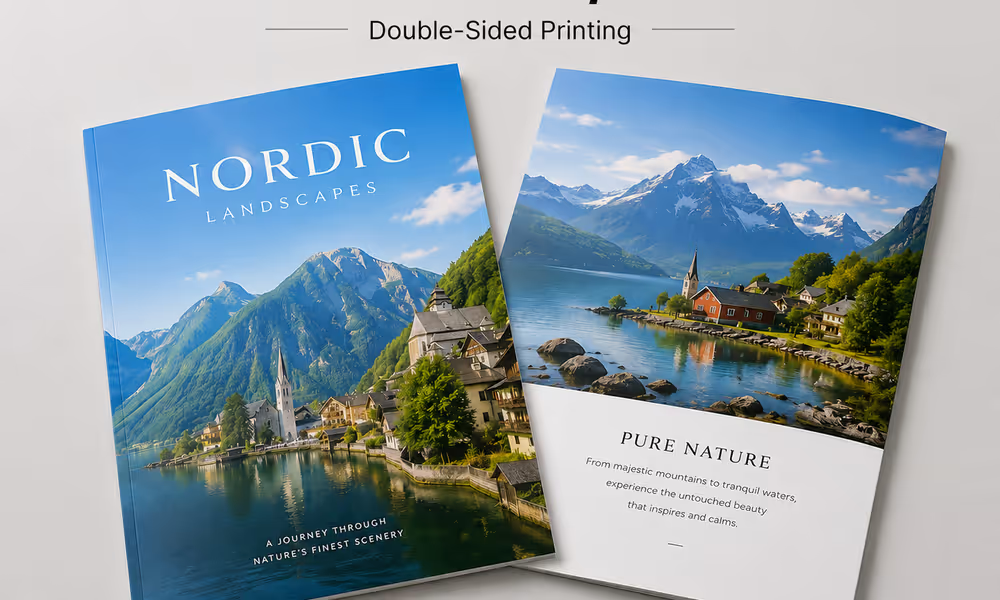
Art Paper / C2S
Offers high whiteness and smoothness for consistent and high-quality printing results.
Paper Weight (GSM)
- 80–120gsm → novels and text-heavy books
- 150–200gsm → image-heavy books
- 250gsm+ → covers
Heavier paper improves durability and perceived quality, but also increases production and shipping costs.
👉 Production Insight
In real production, paper choice also affects finishing performance and color appearance.
For example, matte lamination may slightly reduce contrast compared to gloss finishes, which can influence the final appearance of image-heavy designs.
Many printing issues are caused not by printing quality itself, but by paper selection that does not match the product type or finishing requirements.
Book Structure & Binding Options
Book structure affects not only durability, but also usability, presentation, and overall reading experience.
Binding Methods
- Perfect Binding – Cost-effective and widely used for softcover books
- Smyth Sewn Binding – Improved durability and lay-flat performance
- Case Binding (Hardcover) – Premium and durable for long-term use
- Saddle Stitching – Suitable for thinner publications
Cover & Presentation Styles

Dust Jacket
A removable printed cover with flaps,commonly used for hardcover books and collector editions.
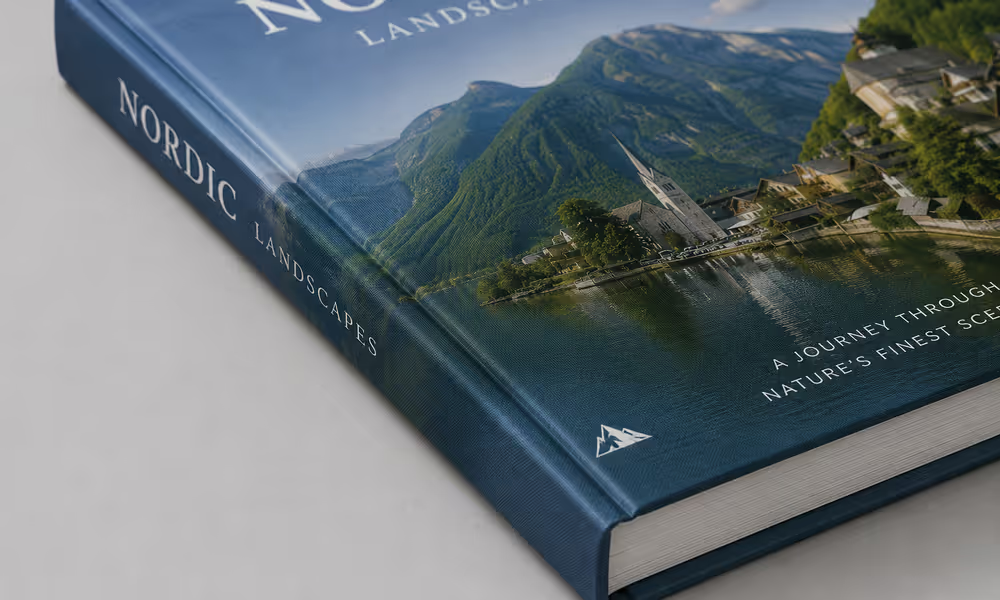
Printed Case Cover
Artwork printed directly onto the hardcover for a clean and modern appearance.

Cloth / Fabric Cover
Adds texture and a premium tactile experience, often used for special editions.
Special Page Structures
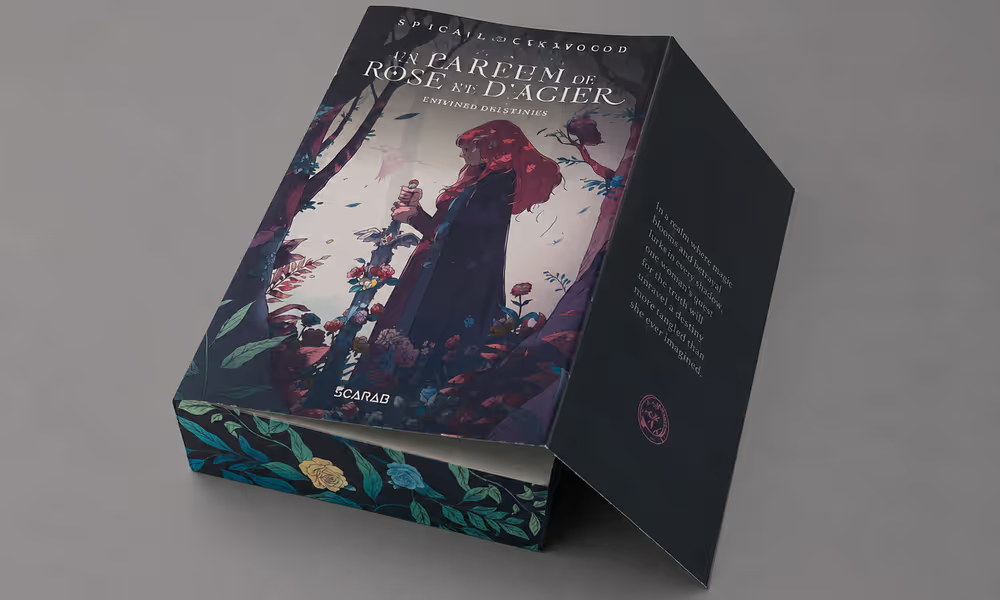
Gatefold Pages
Fold-out pages used for large visuals,maps, or extended layouts.
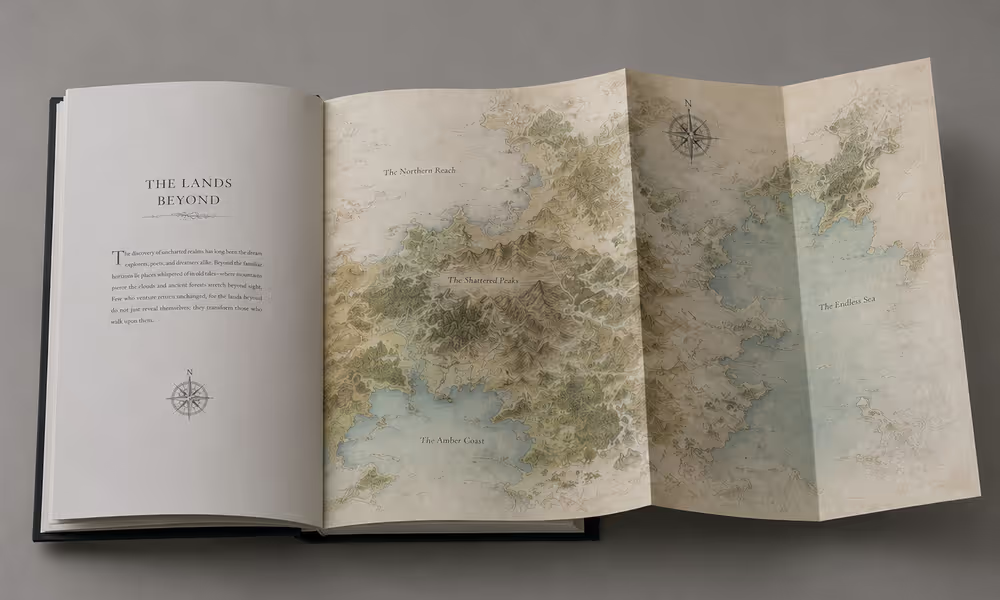
Inserts / Tip-ins
Additional pages or materials inserted into the book.
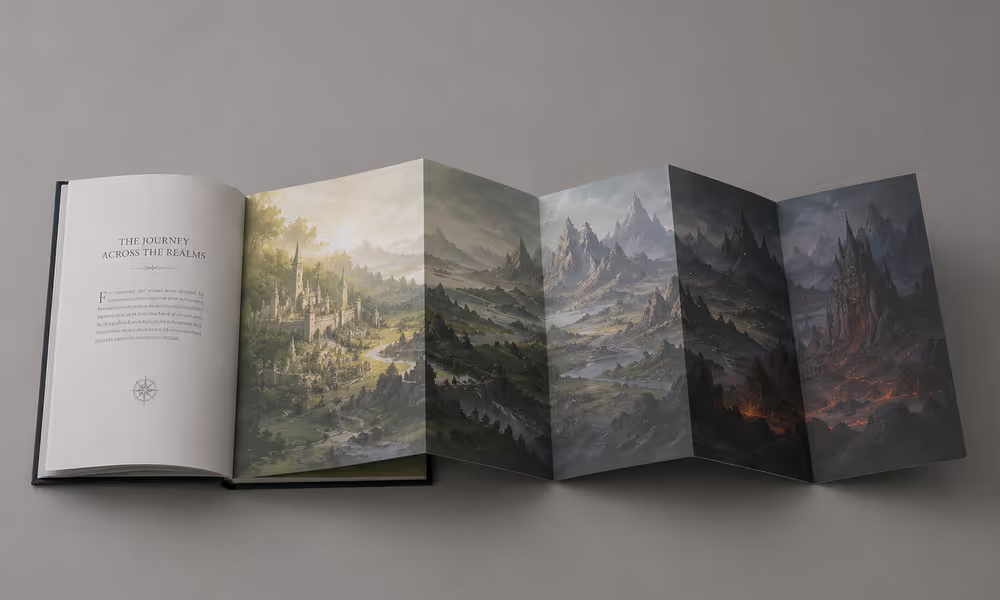
Multi-panel Fold-outs
Complex layouts for visual storytelling or interactive content.
👉 Production Insight
Binding selection should consider not only budget, but also page count, usability, and long-term durability.
For example, thick books using perfect binding may not open flat easily, while sewn binding improves both durability and reading comfort.
Choosing the wrong structure is one of the most common mistakes in book production.
Offset vs Digital Printing for Books
Choosing the right printing method affects both production cost and efficiency.
Printing Method | Best Use |
Offset Printing | Best for medium to large quantities, offering consistent color and lower unit cost. |
Digital Printing | Ideal for small runs and quick turnaround, but with higher unit cost. |
General Guideline
- Small runs (<300–500 copies) → Digital printing
- Medium to large runs → Offset printing
👉 Production Insight
Most publishers choose offset printing not only for cost efficiency, but also for better color consistency across large production runs.
Book Finishing Options & Effects
Finishing techniques enhance both visual appeal and tactile experience.
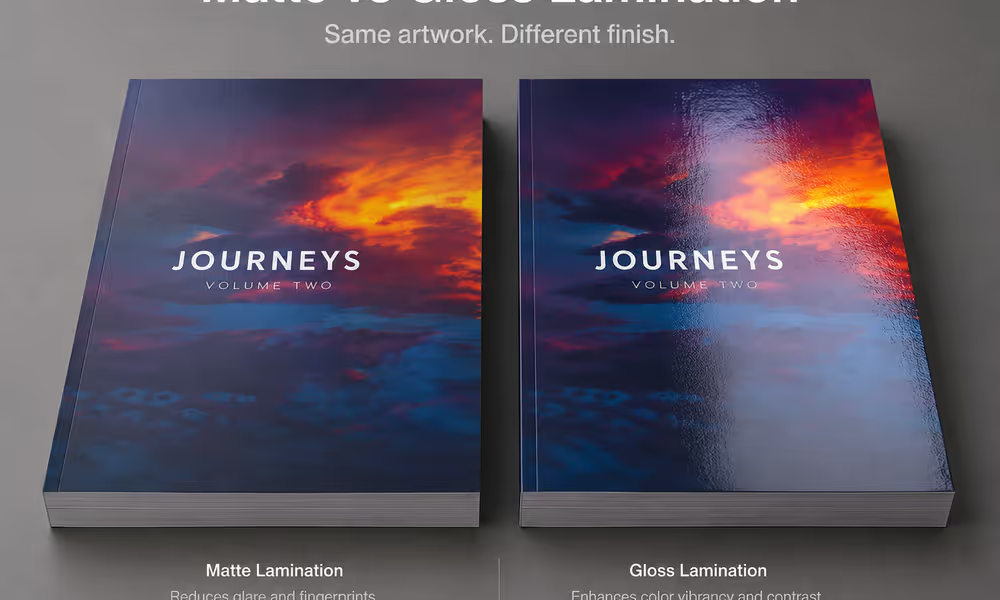
Matte / Gloss Lamination
Protects the surface while creating different visual effects.
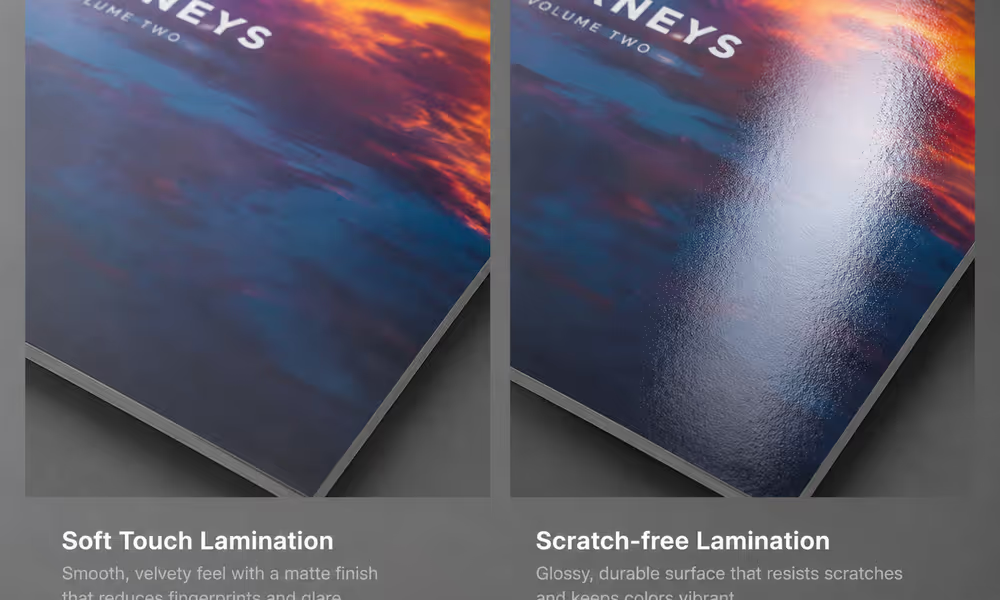
Soft Touch /Scratch-free Lamination
Provides a premium tactile feel and improved resistance.
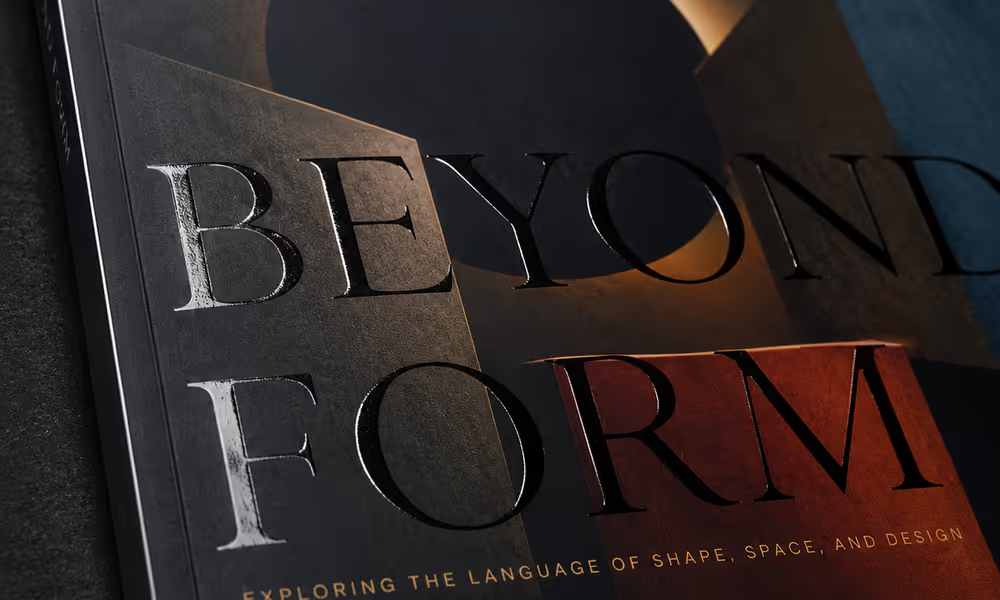
Spot UV
Adds gloss contrast to selected graphics, logos, or titles.
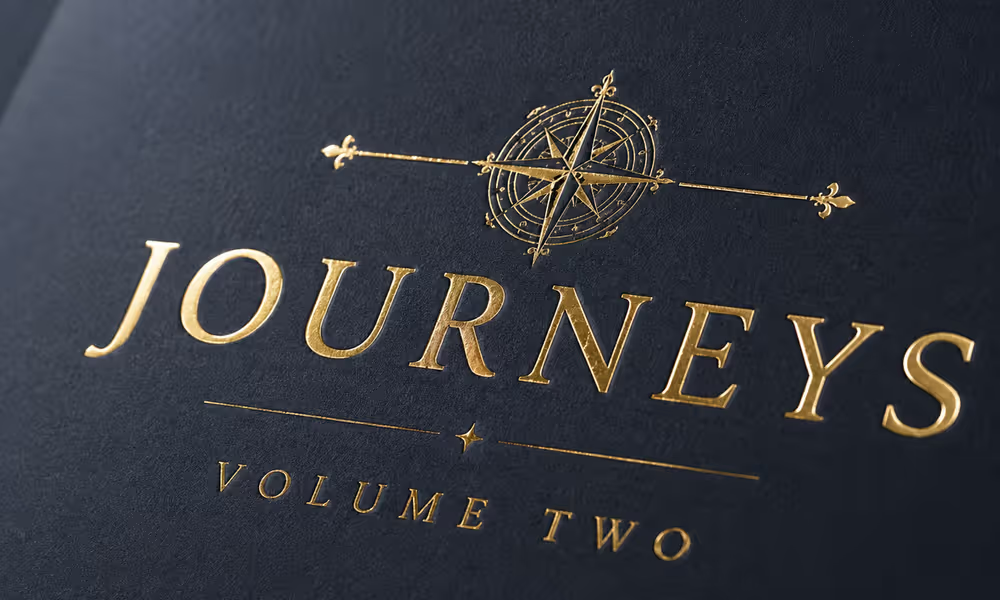
Foil Stamping
Creates metallic highlights for premium presentation.
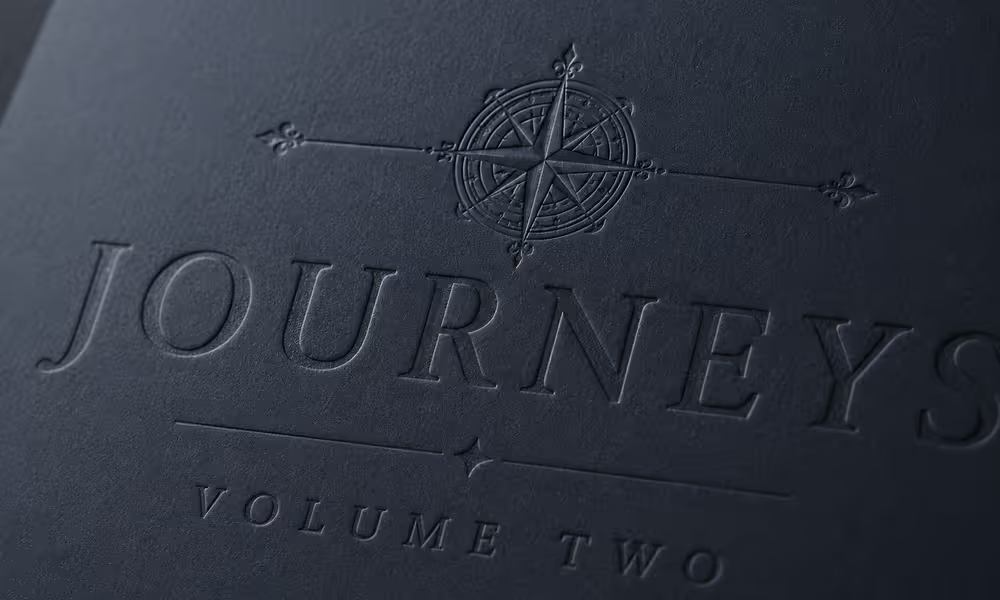
Emboss / Deboss
Adds raised or recessed tactile details.
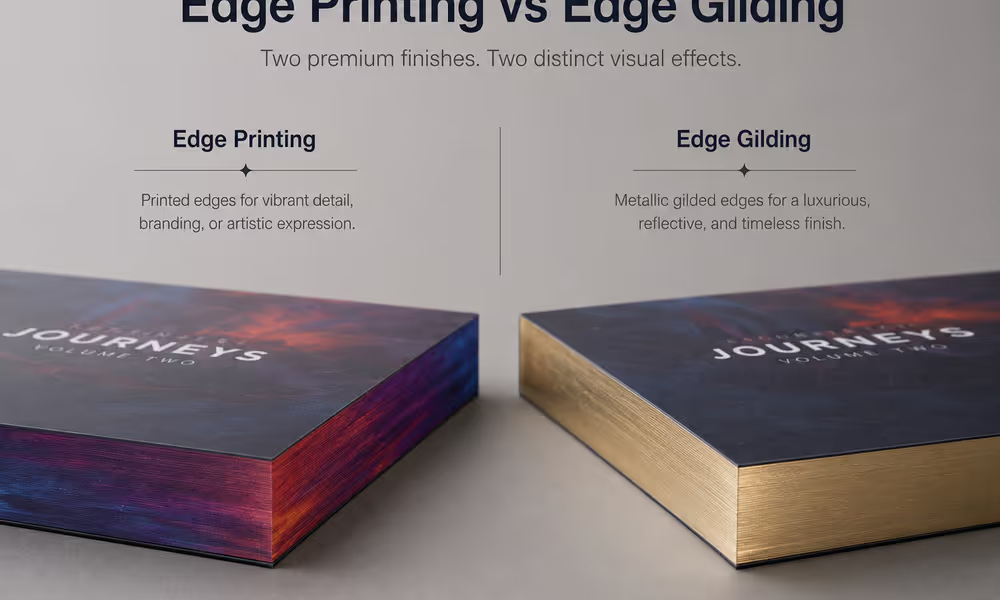
Edge Printing / Gilding
Creates a distinctive edge effect for collector and premium editions.
👉 Production Insight
Finishing should be used strategically. Combining too many effects may increase cost without improving perceived value.
Edge printing is one of our signature capabilities and is widely used in collector editions, premium publishing, and special releases to create a distinctive visual identity.
Typical Book Printing Production Timeline
Understanding production timelines helps improve launch planning and shipping coordination.
1-3 days
File Checking & Prepress
Review print files and prepareproduction requirements.
1-2 weeks
Printing
Mass printing based on approved specifications.
1-2 weeks
Binding & Finishing
Binding, surface finishing, assembly,and preparation.
Total production time is usually around 3–5 weeks.
Our Process Advantage
We provide advance production samples for approval before final assembly, helping ensure the final product matches expectations.
Typical Book Printing Production Timeline
| Shipping Method | Approximate Time |
| Sea Freight | 30–50 days |
| Air Freight | 7–10 days |
| Express Shipping | 3–5 days |
👉 The right shipping option depends on your timeline, budget, and destination.
What Affects Book Printing Costs
Several factors influence overall production cost and unit pricing.
Quantity
Higher quantities typically reduce unitcost.
Paper Type and Weight
Premium or heavier paper increases material and shipping cost.
Binding Method
More complex structures usually require more production time.
Finishing Options
Foil, UV, embossing,edge printing, and lamination add process cost.
Page Count
More pages increase paper, printing, binding, and shipping weight.
Cost Optimization Tips
- Optimize book size to reduce material waste
- Balance paper quality with production budget
- Use finishing selectively for maximum impact
👉 Larger quantities generally reduce unit cost, while premium materials and specialty finishing increase overall investment.
Print File Setup Basics
Proper file preparation helps prevent delays and costly production issues.
Basic File Setup Requirements
- Add 3mm bleed
- Maintain safe margins
- Use CMYK color mode
- Export high-resolution PDF files
👉 Correct file setup helps improve production accuracy and efficiency.
Common Book Printing Mistakes
Many production issues originate from early-stage planning decisions.
Common Mistakes
- Choosing paper based only on cost
- Ignoring binding limitations
- Incorrect print file setup
- Underestimating production timelines
👉 Production Insight
Most printing problems are not caused by printing itself, but by incorrect material selection, unsuitable structures, or incomplete file preparation.
Recommended Printing Solutions
| Project Type | Recommended Solution |
| Novels | Uncoated paper + perfect binding |
| Art Books | Coated paper + hardcover |
| Premium Editions | Hardcover + finishing + edge printing |
Start Your Book Printing Project with Confidence
Our team supports you from material selection to final delivery — helping you optimize cost, improve production efficiency, and achieve the right balance between quality and budget.
Ready to Print Better Books?
Share your book specifications and our team will provide practical recommendations for materials, binding, finishing, and production planning.