Dust Jacket vs Slipcase: How to Choose Hardcover Book Protection
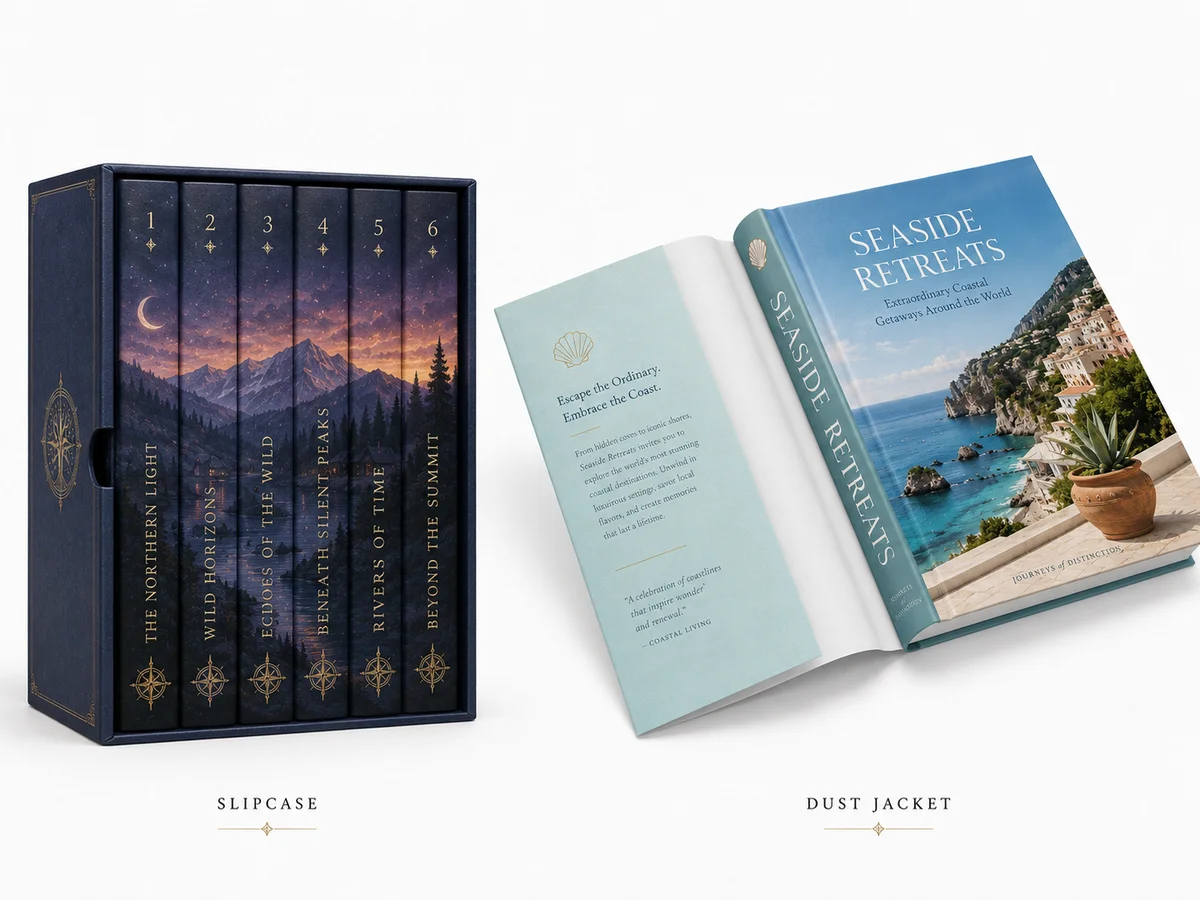
When producing a custom hardcover book, the cover structure is only one part of the final presentation. The outer protection layer can also affect the book’s durability, shelf appeal, customer experience, and perceived value.
Two of the most common protection options for hardcover books are dust jackets and slipcases. Both can protect the book and improve presentation, but they serve different purposes. A dust jacket is lightweight, flexible, and cost-effective, while a slipcase offers stronger protection and a more premium collector-grade feel.
For publishers, brands, authors, museums, art studios, and gift book producers, choosing the right option can help balance cost, protection, design, and market positioning.
This guide explains the differences between dust jackets and slipcases, their advantages, limitations, suitable applications, and how to choose the best option for your hardcover book printing project.
What Is a Dust Jacket?
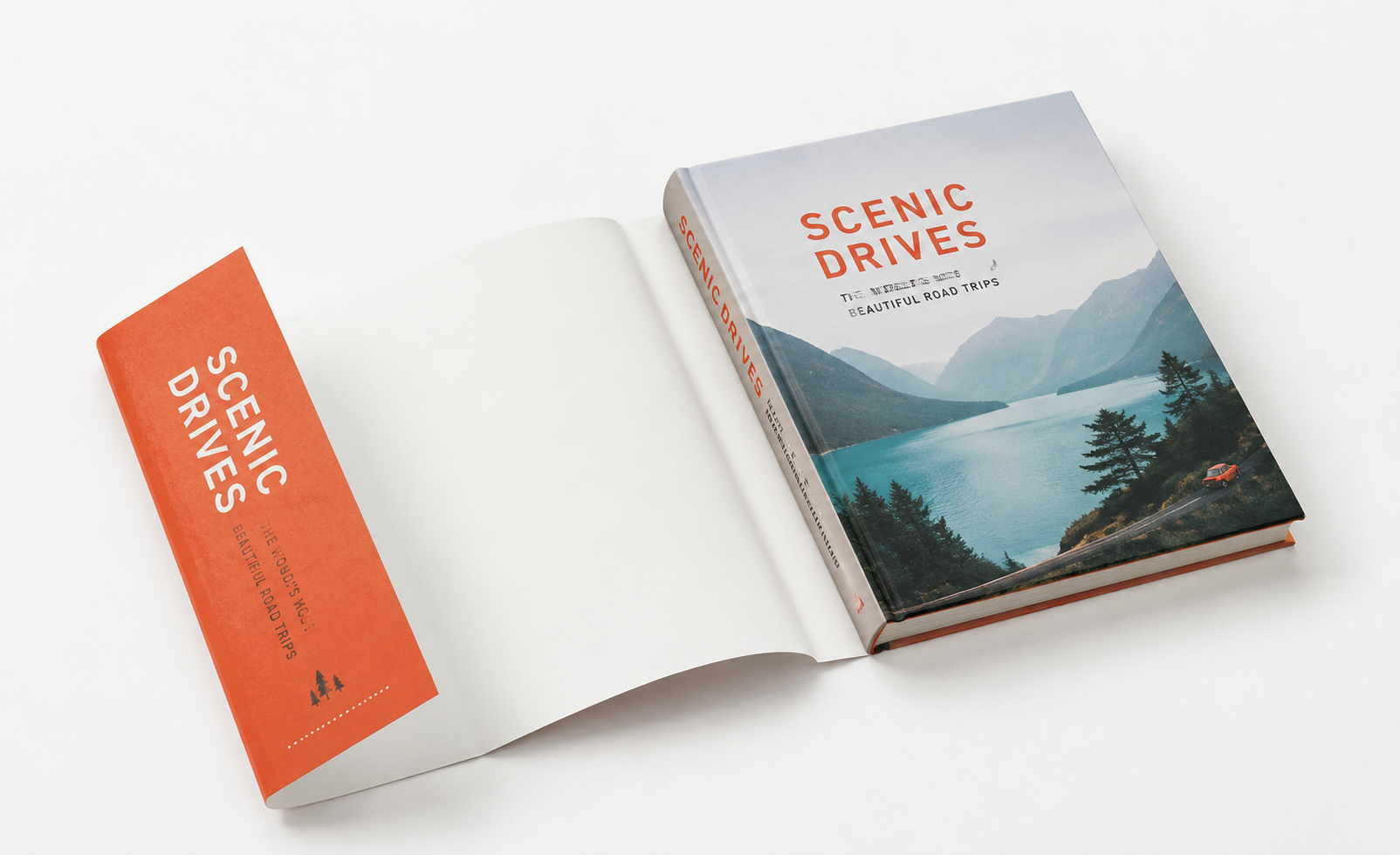
A dust jacket, also called a book jacket or dust wrapper, is a printed paper cover that wraps around the outside of a hardcover book. It usually includes a front cover, spine, back cover, and two inside flaps that fold around the front and back boards.
Although it is a simple structure, a dust jacket plays several important roles. It protects the hardcover case from dust, fingerprints, scratches, and daily handling. It also provides extra design space for marketing information, author biography, book summary, reviews, barcode, and promotional text.
For many commercial hardcover books, the dust jacket is the first thing customers see. It works as both a protective layer and a marketing surface.
Why Publishers Choose Dust Jackets
Dust jackets are popular because they offer strong visual value at a relatively low cost. They allow publishers to print full-color artwork even if the hardcover case underneath is cloth, faux leather, paper-wrapped board, or foil stamped.
A dust jacket also gives designers more creative flexibility. The outside can show the main book cover design, while the flaps can include author information, product details, series notes, or sales copy. Some publishers also print on the inside of the jacket to create a hidden illustration, map, timeline, or special message.
Common Dust Jacket Specifications
Typical dust jacket materials and production options include:
•157gsm to 200gsm gloss or matte art paper
•Matte lamination
•Gloss lamination
•Soft-touch lamination
•Spot UV
•Foil stamping
•Embossing or debossing
•Single-sided or double-sided printing
•Custom flap width
•Full-color artwork with bleed
For premium hardcover books, the dust jacket can be combined with a cloth case, foil-stamped spine, or printed hardcover cover design to create a layered unboxing experience.
Advantages of Dust Jackets
1.Cost-Effective Protection
Dust jackets are usually much more affordable than slipcases. They use less material, require less hand assembly, and can be produced quickly. This makes them suitable for large print runs and commercial publishing projects.
2.Extra Marketing Space
The jacket flaps provide valuable space for book descriptions, author introductions, ISBN barcodes, reviews, series information, and brand storytelling. This is especially useful for retail books sold through bookstores, Amazon, and other online platforms.
3.Strong Visual Impact
A dust jacket can display full-color artwork, photography, illustration, or promotional design. It helps the book stand out on shelves and in online product photos.
4.Replaceable Outer Layer
If the jacket becomes scratched or damaged, it can be replaced more easily than the hardcover case. Many collectors also use protective sleeves to keep dust jackets in good condition.
5.Flexible Design Options
Dust jackets can be designed in many styles, from simple matte covers to luxury foil-stamped jackets. Inside printing can also add a surprising hidden detail for readers.
Limitations of Dust Jackets
Although dust jackets are useful, they do not provide full structural protection. Since the top and bottom edges of the book remain exposed, they cannot protect the book as completely as a slipcase.
Dust jackets may also tear, wrinkle, or slide during handling. For books that need long-term storage, high-end gifting, or collector presentation, a dust jacket alone may not be enough.
Best Uses for Dust Jackets
Dust jackets are ideal for:
•Commercial hardcover books
•Novels and memoirs
•Photography books
•Art books with retail distribution
•Coffee table books
•Bookstore and Amazon sales
•Books requiring barcode and marketing copy
•Projects that need strong visual design with controlled cost
What Is a Slipcase?
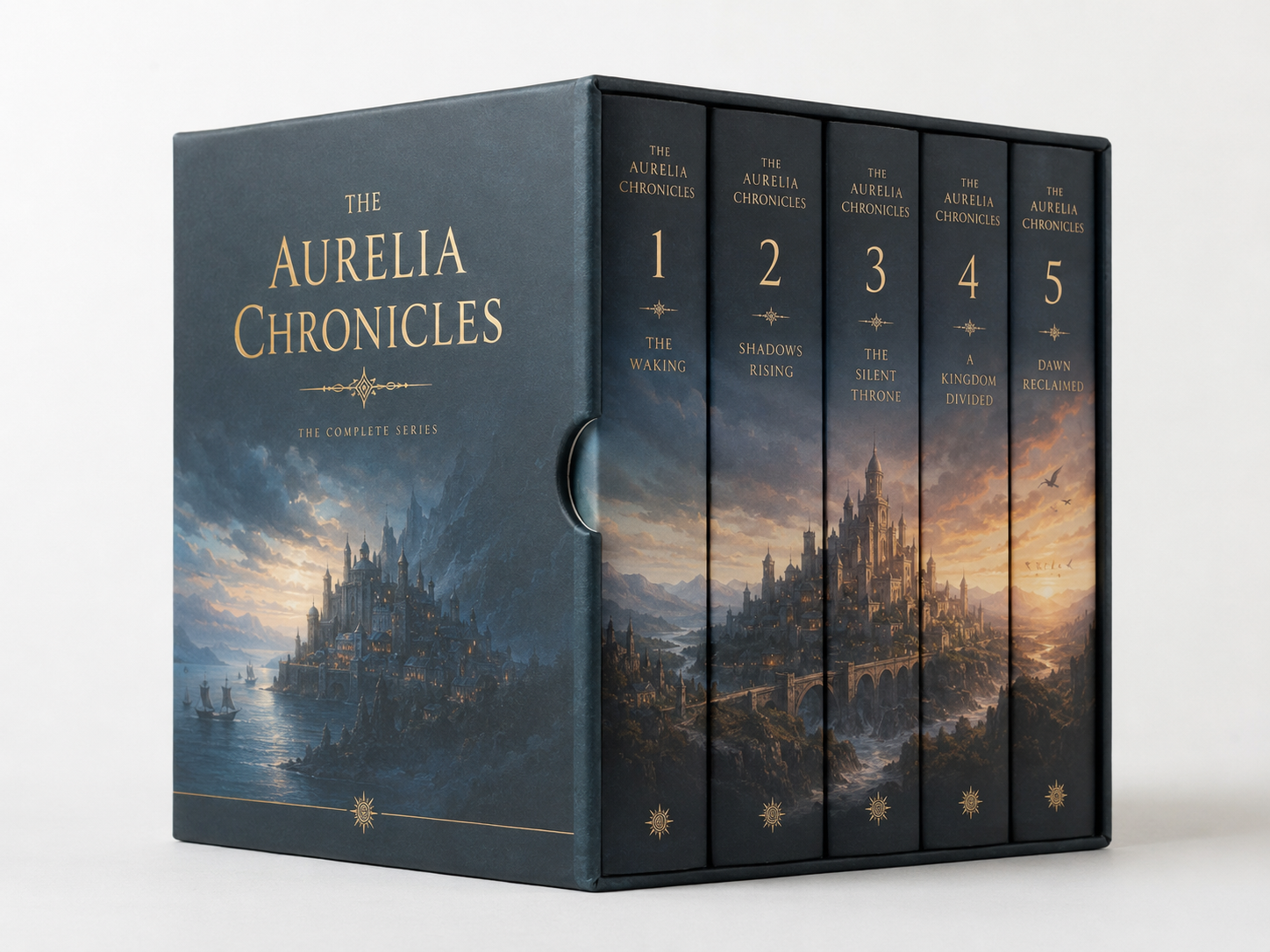
A slipcase is a rigid protective box designed to hold a hardcover book. It is usually open on one side so the book can slide in and out. Unlike a dust jacket, a slipcase protects the book’s cover, page edges, and structure more completely.
Slipcases are typically made from thick grey board wrapped with printed paper, cloth, faux leather, or specialty paper. Because they require accurate sizing, board cutting, wrapping, gluing, and hand assembly, they are more expensive and time-consuming than dust jackets.
A well-made slipcase should fit the book precisely. If it is too tight, the book becomes difficult to remove. If it is too loose, the book may move inside the case and become damaged during shipping or storage.
Common Slipcase Specifications
Typical slipcase production options include:
•2mm grey board for standard slipcases
•3mm grey board for luxury slipcases
•Printed art paper wrap
•Linen cloth wrap
•Faux leather wrap
•Textured paper wrap
•Matte or gloss lamination
•Foil stamping
•Embossing or debossing
•Spot UV
•Custom opening direction
•Single-book or multi-book structure
For premium books, the slipcase can be designed to match the hardcover case, dust jacket, or full product series.
Advantages of Slipcases
1.Stronger Protection
A slipcase offers better protection than a dust jacket because it covers more of the book’s surface. It helps protect against dust, sunlight, scratches, impact, and shelf wear.
2.Premium Presentation
Slipcases immediately make a hardcover book feel more valuable. The rigid structure, added weight, and custom finish create a luxury impression, making the book suitable for gifting and collecting.
3.Better for Long-Term Storage
For books that need to be kept in excellent condition for years, slipcases provide strong storage protection. They help prevent cover warping, page edge dust, and general shelf damage.
4.Ideal for Multi-Volume Sets
Slipcases are very useful for book sets. They keep multiple volumes aligned, organized, and visually consistent. This makes them popular for collector series, educational sets, manga sets, museum catalogs, and limited editions.
5.Strong Unboxing Experience
A slipcase creates a more premium opening experience. Readers slide the book out of the case, which adds a sense of ceremony and value to the product.
Limitations of Slipcases
Slipcases cost more than dust jackets because they require more material and more handwork. They also add production time, especially for custom sizing and assembly.
A slipcase is also less flexible once produced. If the book thickness changes due to paper selection, page count, or binding adjustment, the slipcase size may need to be revised. This is why accurate book measurements are important before final production.
Best Uses for Slipcases
Slipcases are ideal for:
•Limited edition hardcover books
•Collector books
•Luxury coffee table books
•Art monographs
•Museum books
•Photography books
•Gift book sets
•Multi-volume collections
•Crowdfunding premium editions
•High-end brand publications
Dust Jacket vs Slipcase: Key Differences
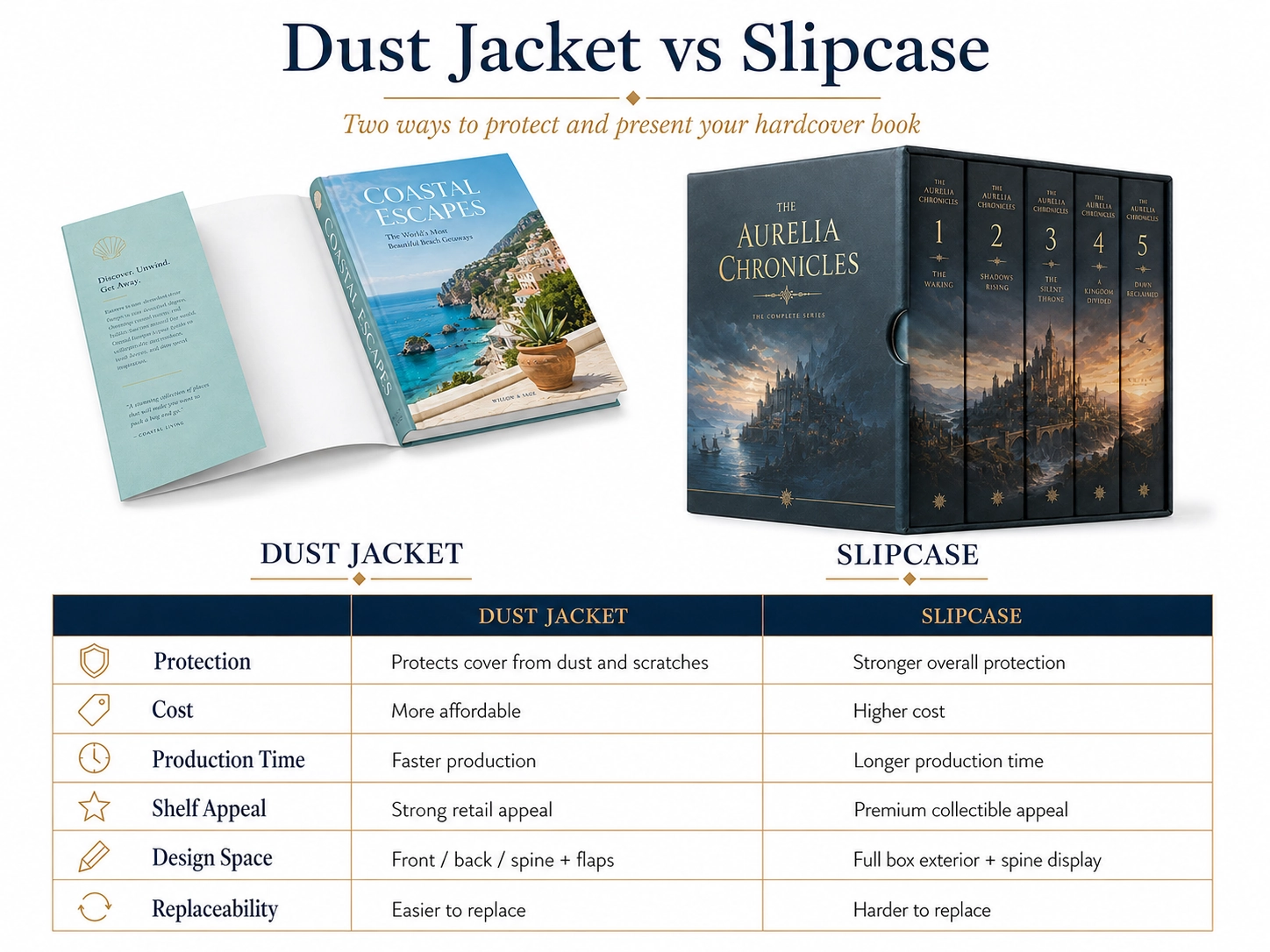
Protection
A dust jacket protects the main cover surface from dust, fingerprints, and scratches. However, it does not fully protect the book’s top, bottom, and page edges.
A slipcase provides stronger overall protection. It covers more of the book and is better for long-term storage, shipping presentation, and collector use.
Cost
Dust jackets are more budget-friendly and suitable for large print runs. They are usually a better choice when cost control is important.
Slipcases are more expensive because they require grey board, wrapping material, precise cutting, gluing, and hand assembly. The labor cost is one of the biggest reasons slipcases have a higher unit price.
Production Time
Dust jackets can usually be produced quickly because they mainly involve printing, lamination, trimming, and folding.
Slipcases take longer because they require custom dielines, board cutting, wrapping, assembly, drying, and quality inspection.
Shelf Appeal
Dust jackets are bookstore-friendly. They provide strong visual artwork and marketing information, making them ideal for retail sales.
Slipcases are collector-grade. They create a stronger sense of value and are more suitable for premium books, gift products, and limited editions.
Design Space
Dust jackets provide space on the front, back, spine, and flaps. This is useful for text-heavy retail information.
Slipcases provide design space on the front, back, spine edge, top, and bottom surfaces. However, they usually use less explanatory text and focus more on branding, logo, patterns, or premium visual presentation.
Replaceability
Dust jackets are easier to replace if damaged. Slipcases are harder to replace because they must be custom-made to fit the book size precisely.
When Should You Choose a Dust Jacket?
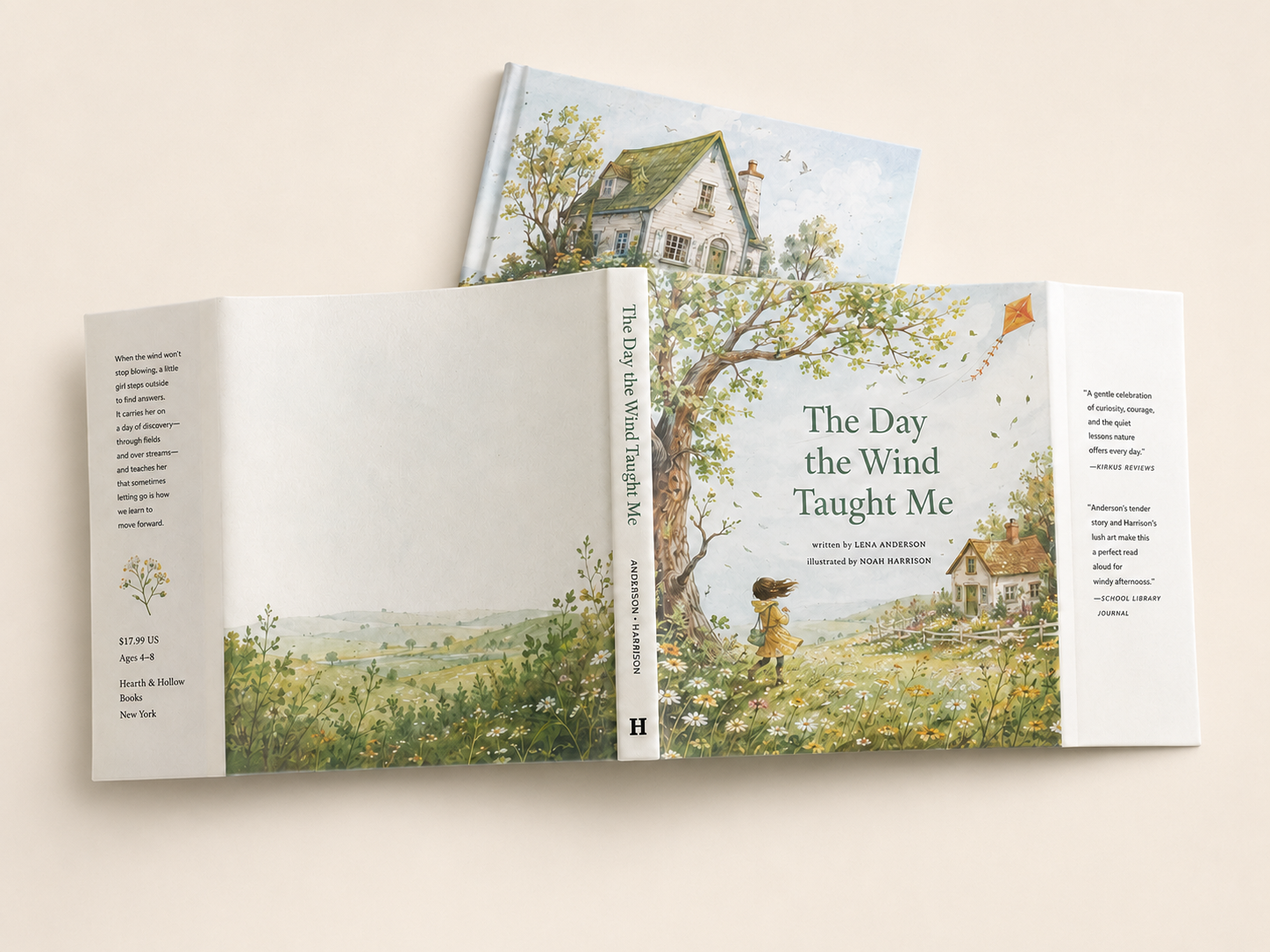
A dust jacket is a good choice when your project needs strong visual presentation, retail marketing space, and cost efficiency.
Choose a dust jacket if:
•Your book will be sold through bookstores or online retail
•You need a barcode, book description, or author bio on the flap
•You want full-color cover artwork over a cloth or leather case
•You need a protective layer but have a controlled budget
•You are printing a large quantity
•You want a replaceable outer cover
•You need faster production
Dust jackets are especially suitable for trade hardcover books, novels, memoirs, illustrated books, and commercial coffee table books.
When Should You Choose a Slipcase?
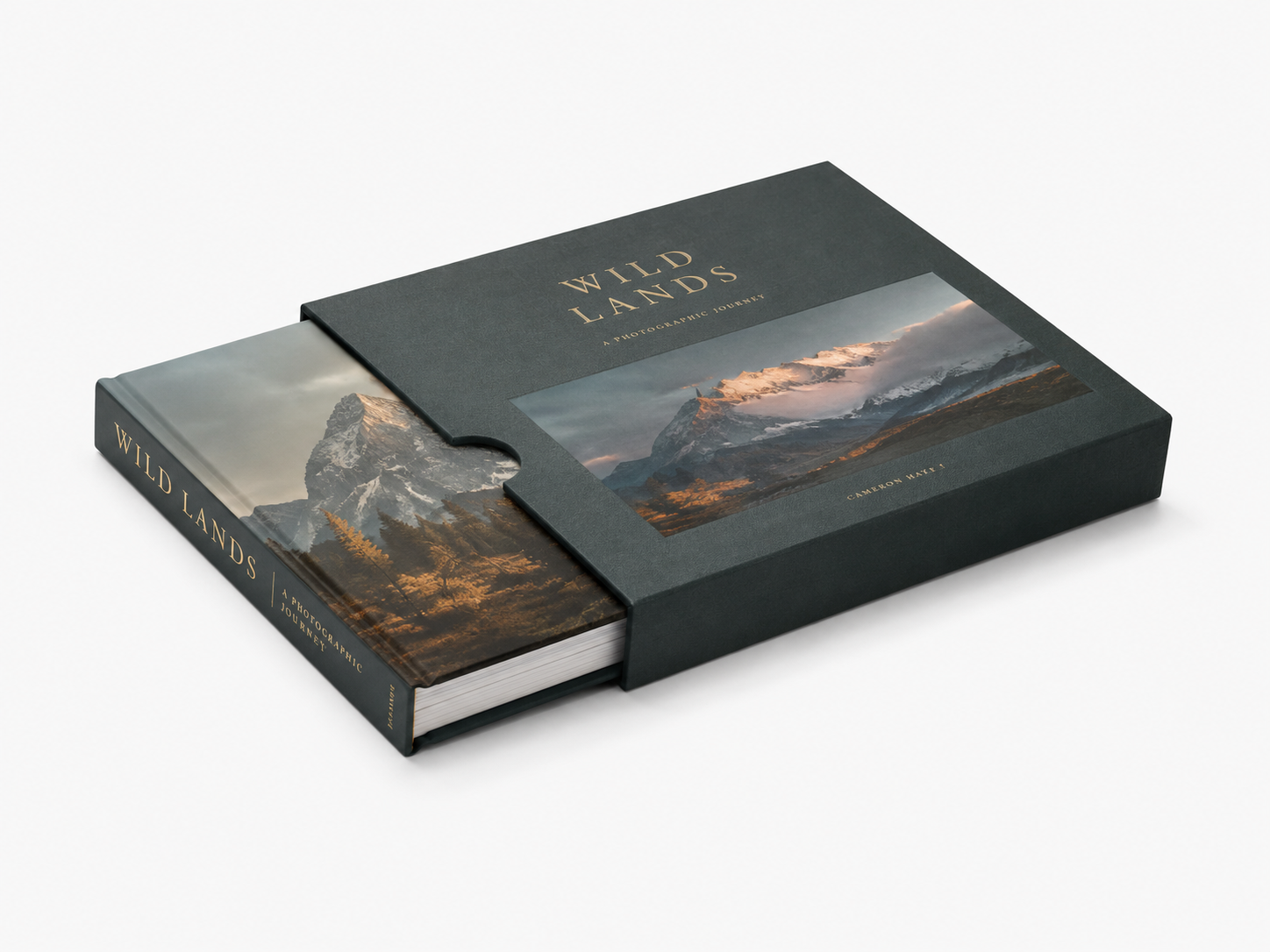
A slipcase is a better choice when protection, premium presentation, and long-term value are more important than cost.
Choose a slipcase if:
•Your book is a limited edition or collector edition
•You are producing a luxury gift book
•Your book needs strong protection during storage
•You are making a multi-volume book set
•You want to increase perceived value
•Your product is designed for crowdfunding premium tiers
•Your book will be displayed on coffee tables or gift shelves
Slipcases are especially suitable for art books, photography books, museum catalogs, luxury brand books, and high-end hardcover sets.
Can You Use Both Dust Jacket and Slipcase?
Yes. For premium hardcover projects, using both a dust jacket and a slipcase can create a strong layered presentation.
This combination works well when you want:
•A trade edition and deluxe edition
•A premium unboxing experience
•Extra protection for a luxury book
•Full-color jacket artwork plus rigid case protection
•A collector-level product
•Strong visual impact and long-term durability
For example, a hardcover book can have a foil-stamped cloth case, a full-color dust jacket, and a matching slipcase. This structure creates a high-end product that feels special from the first touch.
Design Tips for Slipcases
Slipcases require more precise planning than dust jackets because the structure must fit the finished book exactly.
Important slipcase design tips include:
•Confirm the final book thickness before making the slipcase
•Use an accurate custom dieline
•Allow enough space for smooth book removal
•Avoid making the fit too tight or too loose
•Match the slipcase artwork with the book cover design
•Choose a durable wrap material
•Consider whether the opening side should show the front cover or back cover
•Test a physical sample before full production
Since slipcases are structural products, small measurement errors can affect the user experience.
Common Mistakes to Avoid
Choosing a Slipcase Without Confirming Final Book Thickness
The book thickness may change depending on paper type, page count, binding method, and board thickness. Always confirm the finished sample before finalizing the slipcase size.
Making the Slipcase Too Tight
A tight slipcase may look neat at first, but it can make the book difficult to remove and may damage the cover over time.
Using a Dust Jacket Without Proper Flap Width
If the flaps are too narrow, the jacket may not stay securely in place. Proper flap width improves stability and usability.
Ignoring Production Time
Dust jackets are faster to produce, while slipcases require more time for assembly. If your project has a tight deadline, this should be considered early.
Overusing Special Finishes
Foil, UV, embossing, and special lamination can improve appearance, but too many effects may make the design look crowded. A clean, balanced design often looks more premium.
Which Option Is Best for Your Project?
The best choice depends on your book’s purpose, audience, budget, and sales channel.
Choose a dust jacket if you need a stylish, affordable, and retail-friendly cover layer.
Choose a slipcase if you need stronger protection, collector appeal, and premium presentation.
Choose both if you are producing a deluxe hardcover book, art book, photography book, or limited edition that needs a memorable unboxing experience.
Work With a Professional Hardcover Book Printing Manufacturer
A professional hardcover book printing manufacturer can help you choose the right protection option based on your book size, page count, cover material, budget, and sales channel.
Whether you need a full-color dust jacket, a custom slipcase, a foil-stamped hardcover case, or a complete deluxe book package, careful production planning ensures your finished book looks professional, feels premium, and remains well protected.