Best Cardstock and Paper Options for Custom Card Deck Printing
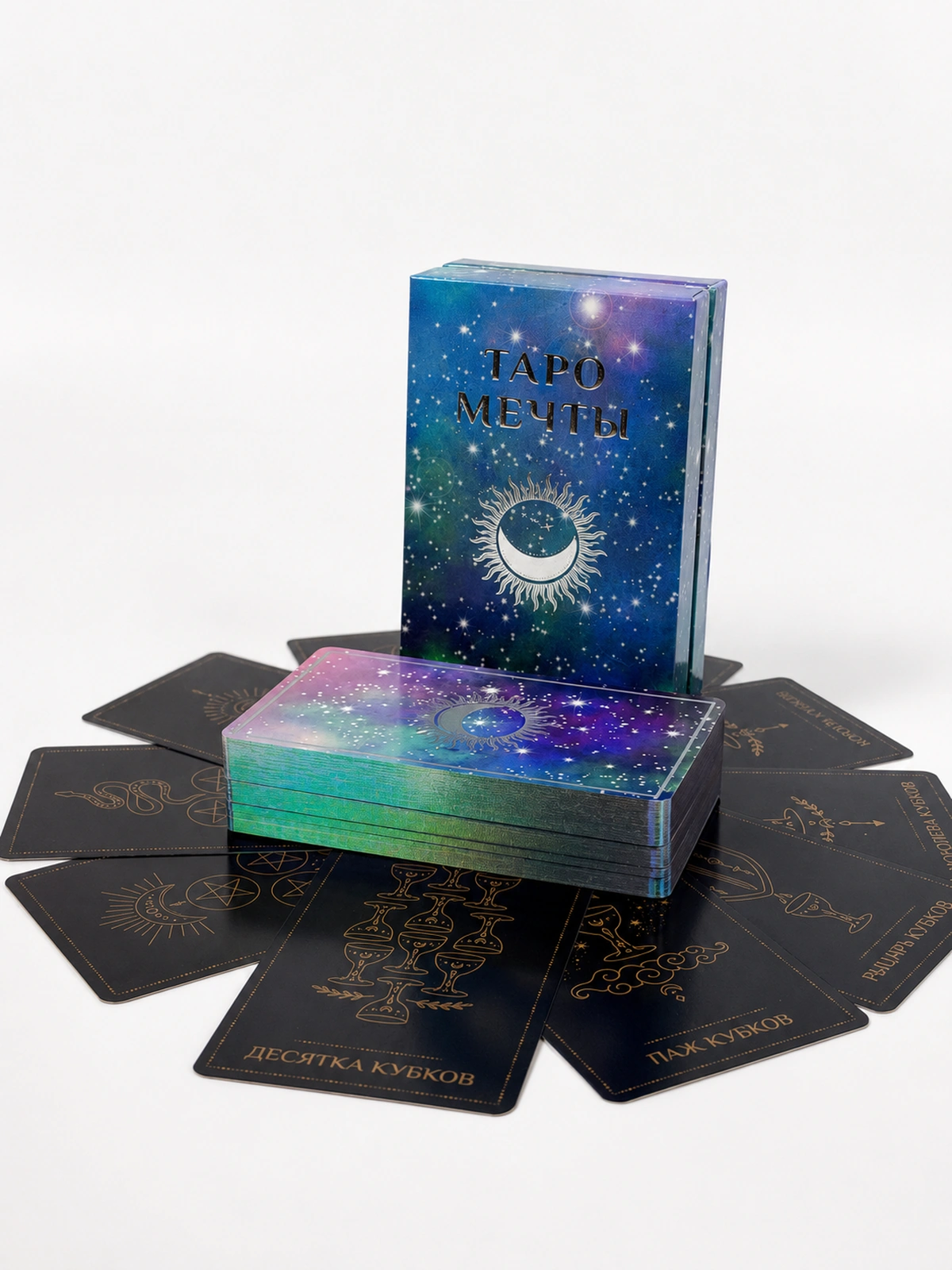
Choosing the right paper is one of the most important steps in custom card deck printing. A card deck is handled, shuffled, stacked, packed, and reused many times, so the material must do more than simply carry artwork. It needs to provide durability, smooth handling, strong opacity, clear printing, and a professional feel.
Whether you are producing playing cards, tarot cards, oracle cards, flashcards, trading cards, educational cards, or a tabletop game deck, the paper and packaging materials you choose will directly affect the final quality of your product.
In this guide, we will explain how to choose the best cardstock, paper weight, finish, manual paper, and packaging material for your custom card deck project.
Why Cardstock Matters in Card Deck Printing
Cardstock is the foundation of every custom card deck. Unlike ordinary printed paper, card deck paper must withstand frequent use while keeping a consistent shape and feel.
A suitable cardstock helps improve:
• Card durability during shuffling and handling
• Resistance to bending, creasing, and edge wear
• Opacity so the front design cannot be seen through the back
• Color performance for artwork, illustrations, and graphics
• Overall product value and user experience
For retail products, the first impression matters. Customers often judge the quality of a deck by how it feels in their hands, how smoothly it shuffles, and how clearly the artwork is printed. This is why choosing the right paper is essential for professional card deck printing.
Main Paper Options for Custom Card Decks
Different card deck projects require different paper materials. The best choice depends on your product type, budget, target market, and usage environment.
1. White Core Cardstock
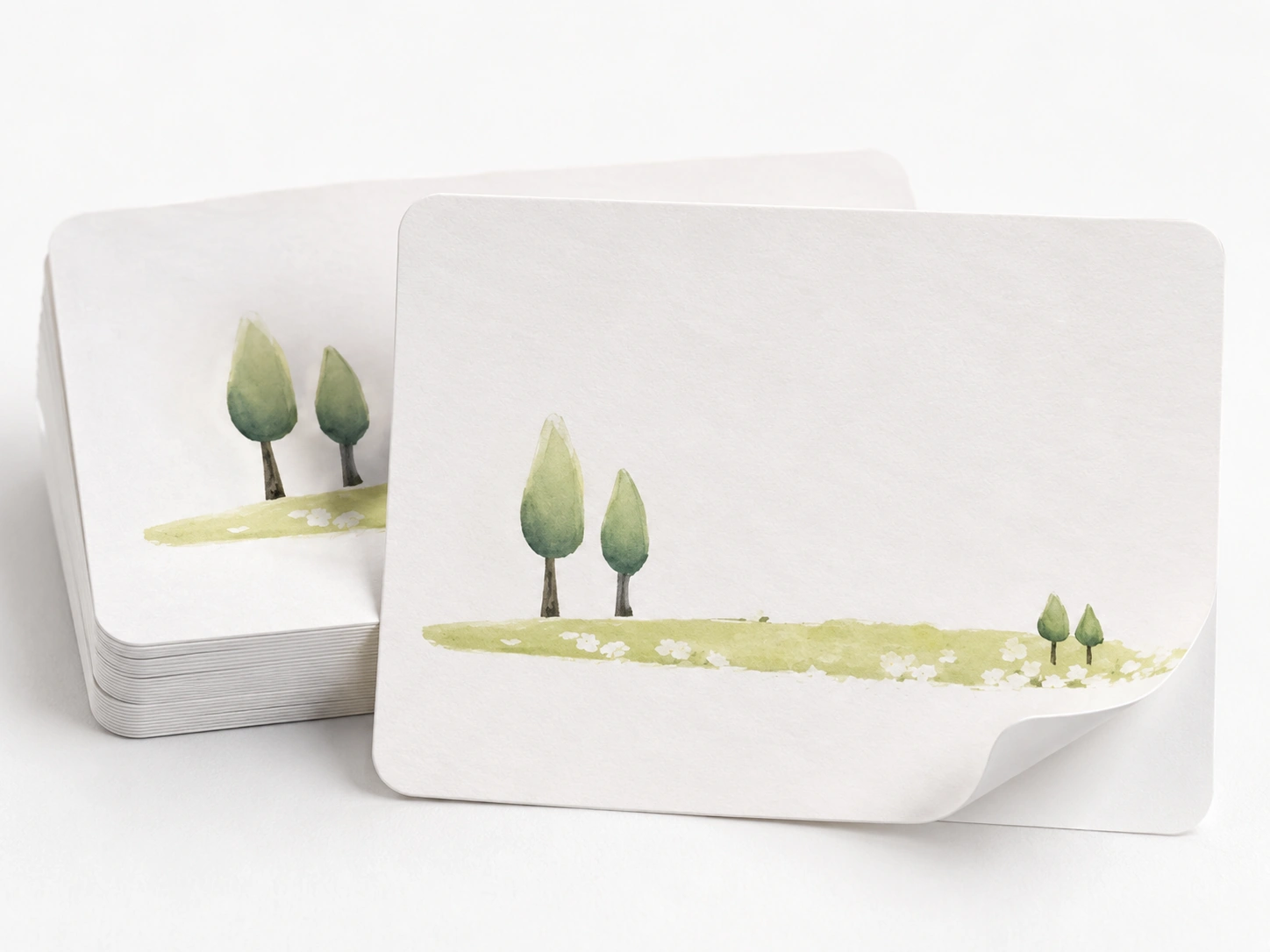
White core cardstock is a cost-effective option for simple or budget-friendly card decks. It is usually suitable for promotional cards, educational cards, flashcards, or low-volume projects where professional opacity is not the highest priority.
This material can deliver clean printing results, but it may allow some light to pass through the card. For products that require game fairness or premium quality, white core paper may not be the best choice.
Best for:
• Promotional cards
• Learning cards
• Flashcards
• Budget card deck printing
• Short-term use projects
2. Blue Core Paper
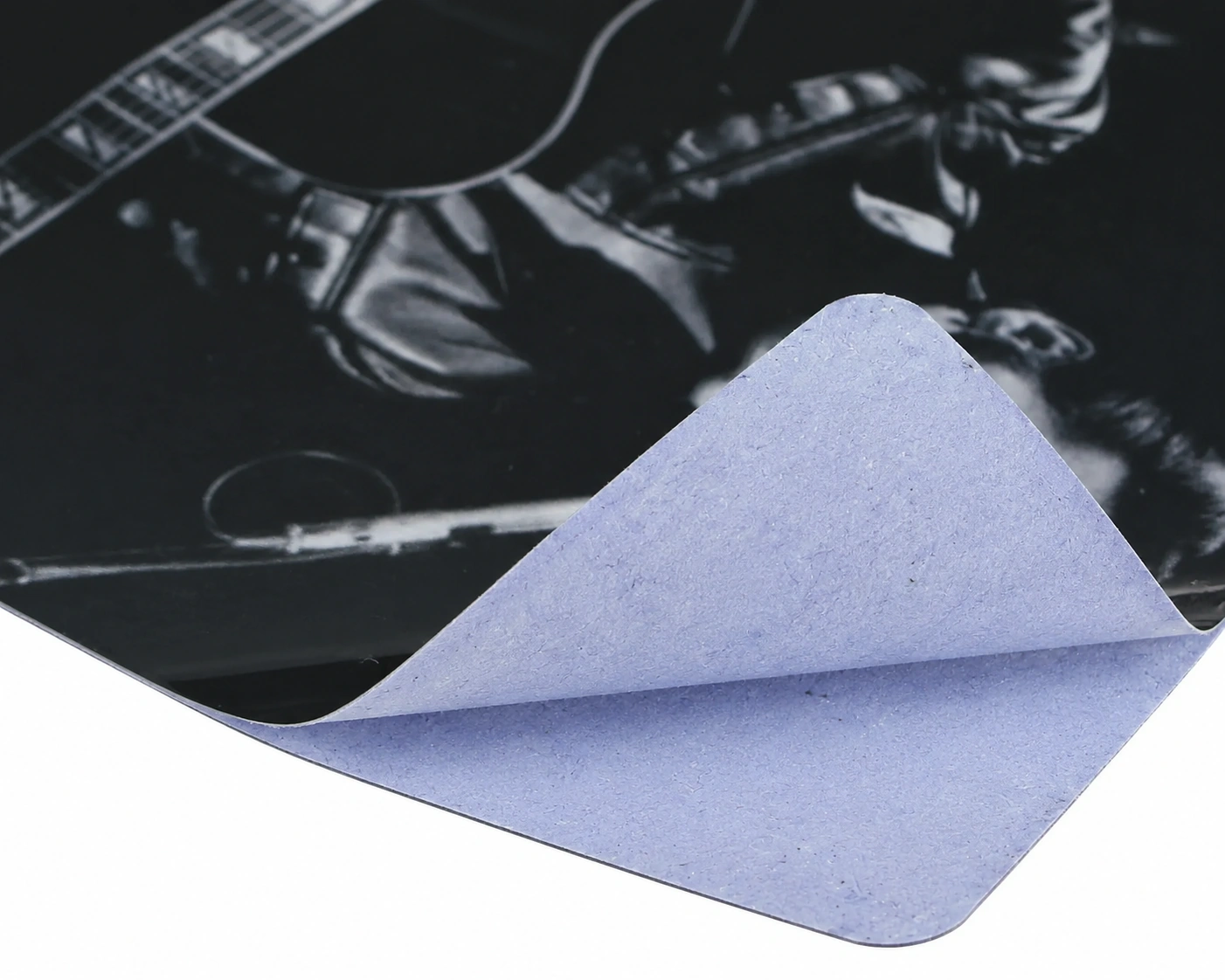
Blue core paper is a common choice for commercial card deck printing. It contains a blue middle layer that helps improve opacity and reduce show-through. Compared with black core paper, it is usually more economical while still offering good performance.
Blue core cardstock provides a practical balance between cost, flexibility, and durability. It is widely used for standard playing cards, board game cards, tarot cards, and educational decks.
Best for:
• Standard playing cards
• Board game cards
• Tarot or oracle decks
• Educational card decks
• Medium-budget commercial projects
3. Black Core Paper
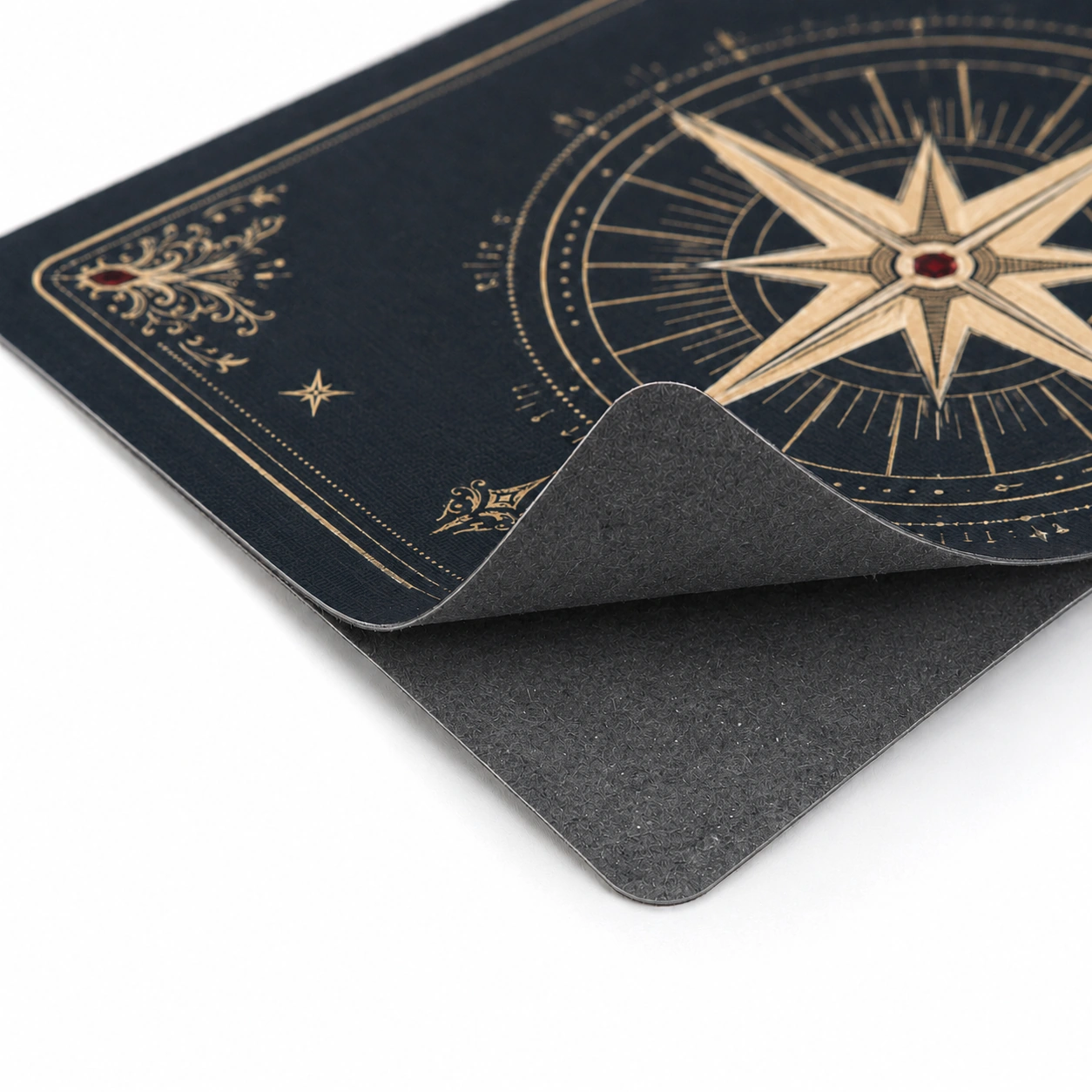
Black core paper is a premium material for professional card deck printing. It includes a black inner layer between two printable white surfaces. This structure provides excellent opacity, preventing the card face from being visible through the back.
Black core cardstock also gives the card a firm, high-quality feel. It is often used for casino-style playing cards, luxury tarot decks, collector cards, and high end retail card products.
Best for:
• Casino-style playing cards
• Premium tarot cards
• High-end oracle decks
• Collector card decks
• Professional board game cards
4. Art Paper Cardstock

Coated art paper has a smooth surface that supports bright colors, sharp details, and high-resolution image reproduction. It is a good choice when your deck includes detailed illustrations, full-color artwork, photography, or graphic heavy designs.
Art paper can be used with different finishes such as matte lamination, gloss lamination, or spot UV to improve both appearance and durability.
Best for:
• Illustrated card decks
• Tarot and oracle cards
• Promotional cards
• Brand card decks
• Color-rich designs
5. Holographic and Specialty Paper
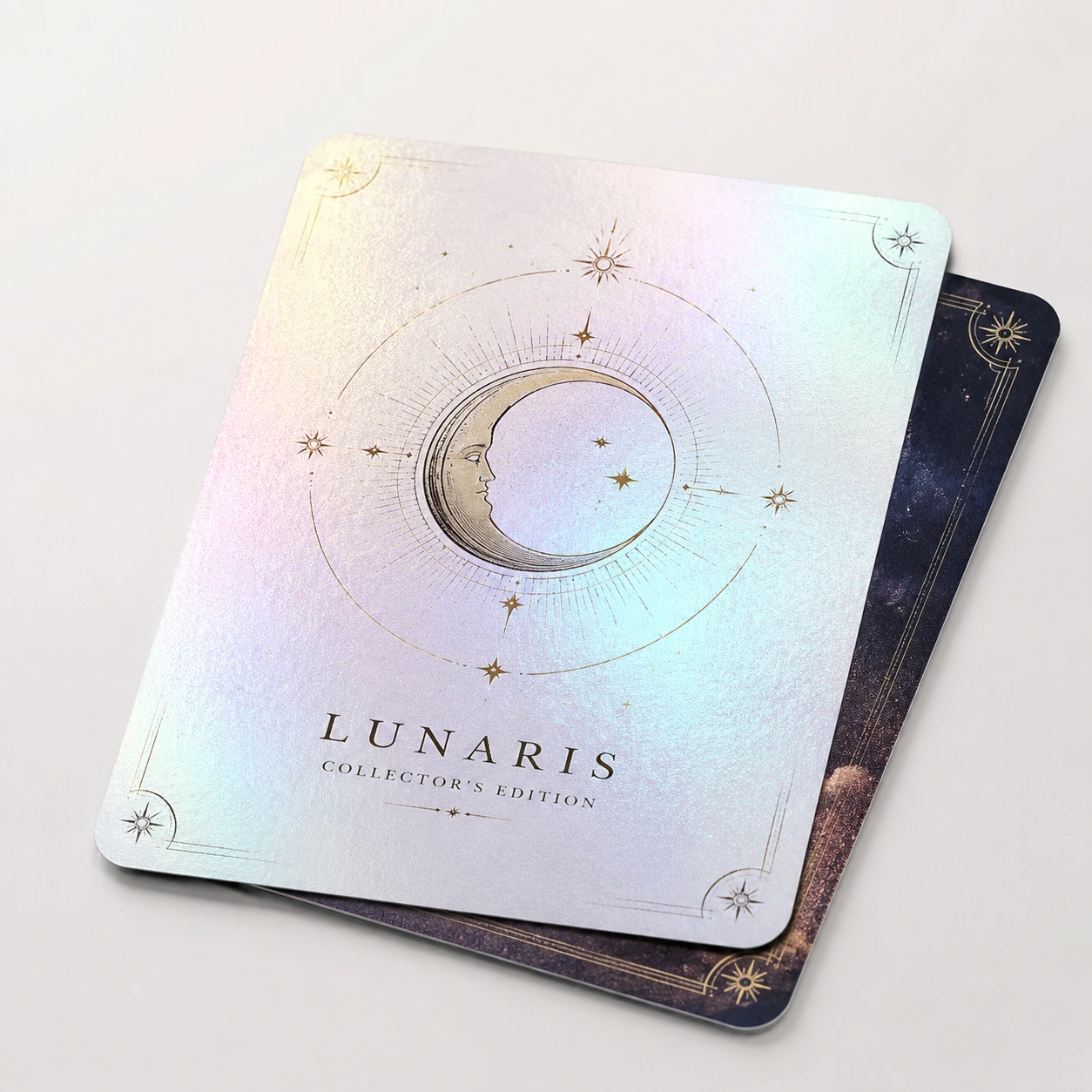
For premium or collectible decks, specialty paper can create a stronger visual impact. Holographic paper produces a reflective rainbow effect, while metallic or pearlescent paper adds shine and depth.
These materials are especially popular for trading cards, collector editions, gift decks, and limited-edition products. They help make the deck stand out on shelves and improve perceived value.
Best for:
• Trading card games
• Collector cards
• Limited-edition decks
• Gift card decks
• Premium retail products
6. PVC Plastic Cards
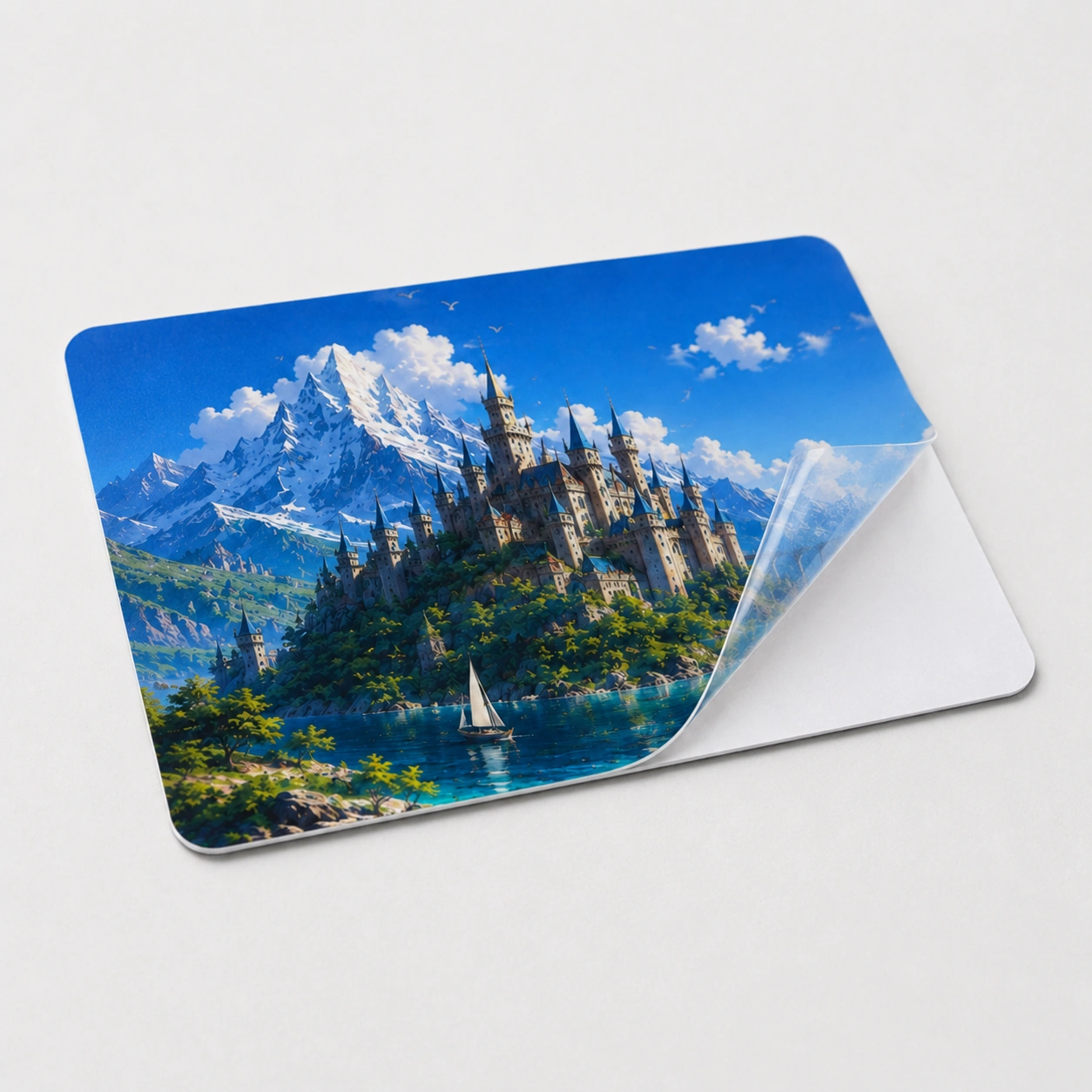
PVC cards are made from plastic instead of paper. They are waterproof, tearresistant, flexible, and highly durable. PVC is a strong choice for card decks that will be used outdoors, handled frequently, or exposed to moisture.
Although PVC is usually more expensive than paper cardstock, it offers excellent longevity and protection.
Best for:
• Waterproof playing cards
• Travel card decks
• Outdoor game cards
• Durable educational cards
• Heavy-use commercial decks
Common Cardstock Weights for Deck Printing
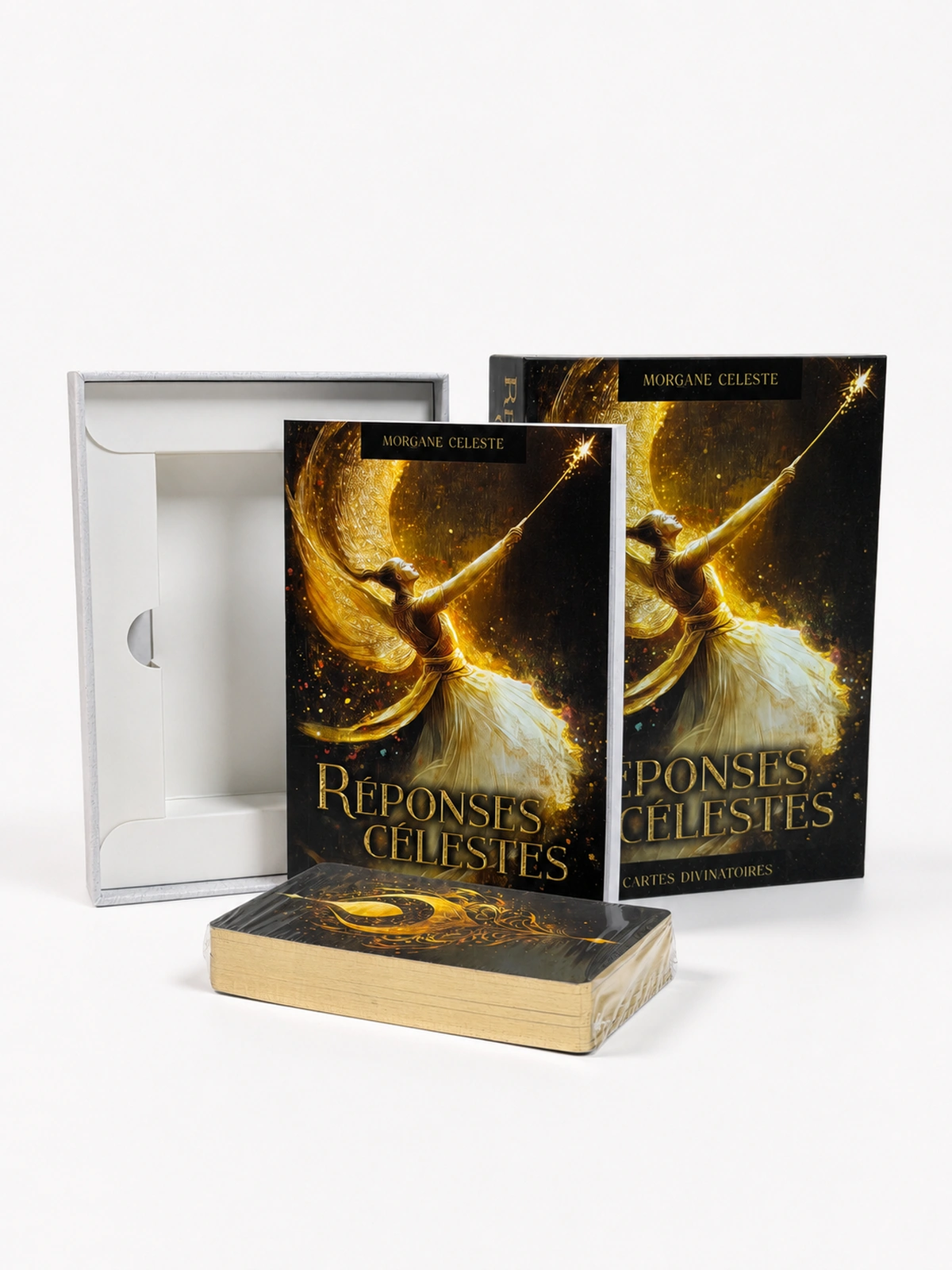
Paper weight is usually measured in GSM, which stands for grams per square meter. A higher GSM generally means a thicker and heavier card. However, thicker does not always mean better. If the cards are too thick, they may become difficult to shuffle.
Common card deck paper weights include:
• 250 gsm: Lightweight and economical, suitable for budget decks
• 300 gsm: Balanced option for general card deck printing
• 310 gsm black core: Professional quality with high opacity
• 330 gsm black core: More premium and durable, suitable for high-end decks
• 350 gsm: Sturdy and durable for retail card products
• 400 gsm: Thick and rigid, often used for premium presentation cards
• 0.3 mm or 0.4 mm PVC: Plastic card options for waterproof and long lasting decks
For most commercial card decks, 300 gsm to 330 gsm is a practical range. For premium playing cards or tarot cards, black core paper is usually recommended because it provides better opacity and a more professional feel.
Surface Finishes for Better Handling and Appearance
The surface finish also plays an important role in card deck printing. It affects how the cards look, how they feel, and how smoothly they shuffle.
Matte Lamination
Matte lamination gives the cards a soft, elegant surface with reduced glare. It is suitable for premium tarot cards, oracle decks, and artistic card products.
Gloss Lamination
Gloss lamination creates a shiny surface that makes colors look brighter and more saturated. It is ideal for vibrant artwork, promotional cards, and retail products that need strong visual impact.
Linen Finish
Linen finish adds a subtle texture to the card surface. It improves grip, reduces sticking, and creates a classic playing card feel. This is a popular option for playing cards and board game decks.
Spot UV
Spot UV highlights specific design elements with a glossy effect. It can be used on logos, symbols, titles, or special artwork areas to create a premium look.
Foil Stamping
Foil stamping adds metallic details to the cards or packaging. Gold foil, silver foil, and holographic foil are commonly used for luxury card decks and collector editions.
Choosing Paper for the Instruction Manual
Many card deck projects include an instruction manual, rule book, guidebook, or booklet. The paper choice for the manual should match the content and product positioning.
For image-heavy manuals, coated paper is a good choice because it produces vibrant colors and sharp graphics. Matte coated paper is often preferred for a softer, more premium look.
For text-heavy manuals, uncoated paper can be more comfortable to read because it reduces glare and feels more natural.
Common instruction manual paper options include:
• 80–100 gsm paper for lightweight booklets with many pages
• 105–128 gsm paper for standard instruction manuals
• 157 gsm paper for premium short booklets or guidebooks
• 250–350 gsm coated paper for booklet covers
The binding style should also depend on page count. Saddle stitching is suitable for thinner manuals, while perfect binding is better for thicker guidebooks.
Packaging Materials for Custom Card Decks
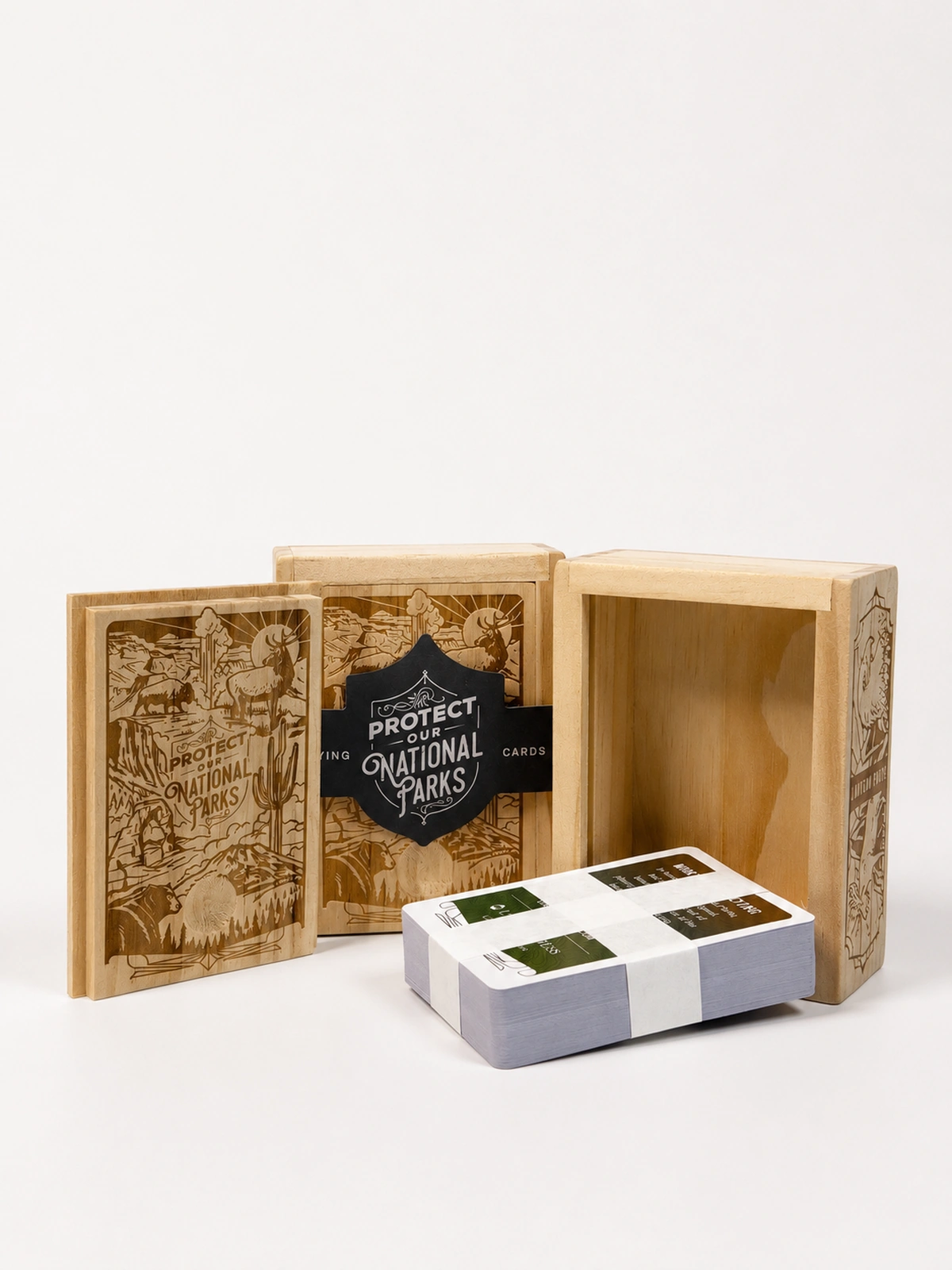
Packaging protects the cards and improves the customer’s unboxing experience. A strong box also helps increase the perceived value of the product.
Tuck Box
A tuck box is a lightweight folding carton commonly used for standard card decks. It is cost-effective, easy to produce, and suitable for large-volume orders.
Typical tuck box materials include:
• 250–350 gsm coated paper
• C1S paper
• C2S paper
• Kraft paper for eco-style packaging
• Metallic paperboard for premium visual effects
Tuck boxes are ideal for playing cards, promotional decks, educational cards, and standard retail card decks.
Rigid Box
Rigid boxes are used for premium card decks, collector editions, and luxury gift sets. They are made with thick grey board wrapped in printed paper, creating a strong and high-end structure.
Rigid box options may include:
• Lift-off lid box
• Drawer-style box
• Magnetic closure box
• Two-piece rigid box
• Custom insert or tray
Rigid boxes provide better protection and a more memorable unboxing experience, making them suitable for high-value card deck products.
How to Choose the Right Material for Your Card Deck
To choose the right cardstock and packaging, consider the following questions:
1.What type of card deck are you printing? A casino deck, tarot deck, flashcard set, and trading card game may all require different materials.
2.How often will the cards be used? For frequent shuffling and handling, choose stronger cardstock such as black core, blue core, or PVC.
3.Is opacity important? For playing cards or game cards, opacity is essential. Black core paper is the best choice for preventing show-through.
4.What is your target market? Budget decks may use white core or blue core paper, while premium decks should use black core, specialty paper, or luxury packaging.
5.What kind of visual effect do you want? For strong artwork performance, coated art paper works well. For collector products, holographic, metallic, or foil effects can add value.
6.What packaging style matches your brand? A tuck box is practical and economical, while a rigid box creates a more premium retail experience.
Recommended Material Choices by Product Type
Playing Cards
Recommended materials:
• 300 gsm blue core paper
• 310 gsm or 330 gsm black core paper
• Linen finish
• Matte or gloss lamination
• Tuck box packaging
Tarot and Oracle Cards
Recommended materials:
• 350 gsm art paper
• 310 gsm black core paper
• Matte lamination
• Foil stamping for premium editions
• Rigid box or tuck box packaging
Trading Cards
Recommended materials:
• 300–350 gsm coated cardstock
• Holographic paper
• Spot UV or foil effects
• High-gloss finish
• Custom tuck box or rigid box
Educational Flashcards
Recommended materials:
• 300 gsm white cardstock
• 300 gsm blue core paper
• Matte lamination
• Rounded corners
• Tuck box packaging
Premium Collector Decks
Recommended materials:
• 330 gsm black core paper
• Holographic or metallic paper
• Foil stamping
• Linen texture or specialty finish
• Rigid box with custom insert
Final Thoughts
The best paper for custom card deck printing depends on your product purpose, quality expectations, budget, and branding goals. Cardstock type, core material, GSM weight, surface finish, manual paper, and packaging all work together to create the final user experience.
For budget-friendly projects, blue core paper or standard coated cardstock can provide reliable performance. For premium decks, black core paper, specialty finishes, and rigid box packaging can significantly improve product quality and market value. For waterproof or heavy-use decks, PVC cards offer maximum durability.
By choosing the right material from the beginning, you can create a custom card deck that looks professional, feels great in the hand, and performs well over time.
Work With a Professional Custom Card Deck Printing Manufacturer
A professional card deck printing manufacturer can help you select the right cardstock, finish, and packaging based on your project requirements. From playing cards and tarot decks to trading cards, flashcards, and tabletop game cards, the right production partner ensures consistent color, accurate cutting, smooth finishing, and durable packaging.
Whether you need a small custom batch or a large commercial production run, choosing the correct paper and printing process will help your card deck stand out in the market.