U.S. Tariffs & China Book Printing: Practical Guide for Publishers
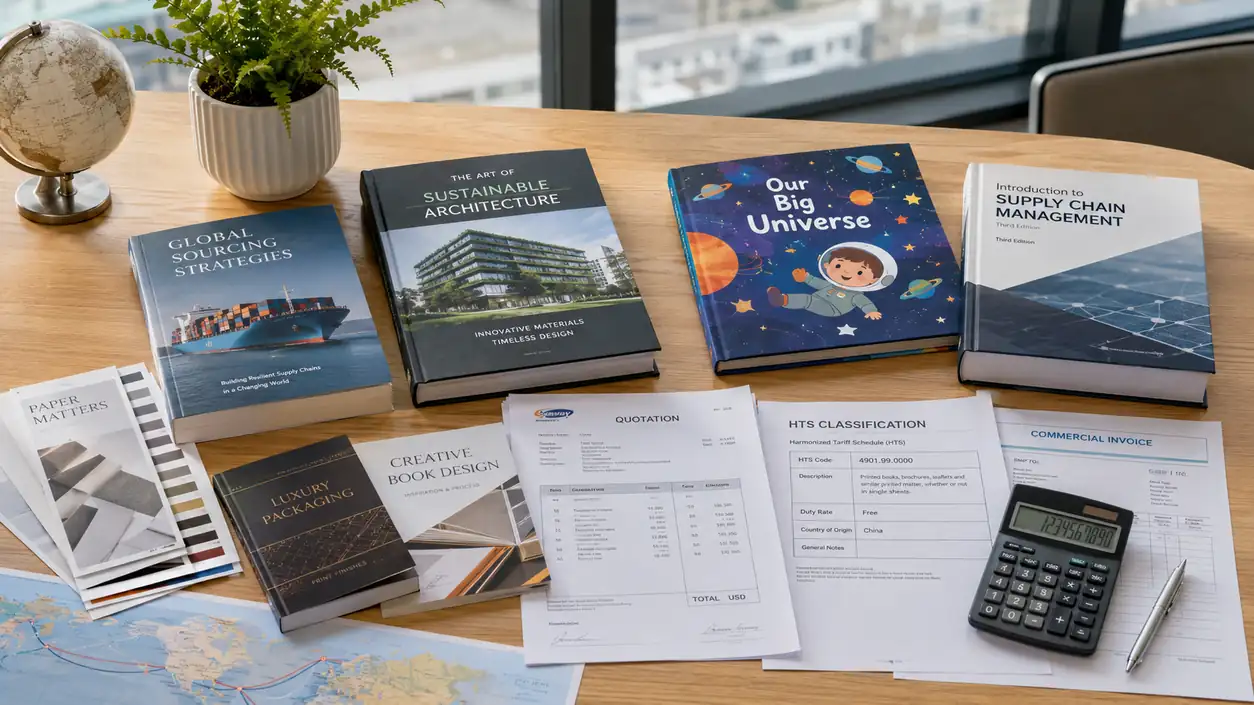
For publishers, authors, educational companies, and brands sourcing book printing overseas, one of the most common questions is:
Will U.S. tariffs make books printed in China more expensive?
The answer depends on the type of printed product, its HTS classification, and whether any additional trade measures apply. In many cases, printed books continue to benefit from long-standing protections for informational materials. However, some book categories may still be affected by existing tariff rules, especially under Section 301.
Understanding these details can help publishers plan budgets more accurately, avoid unexpected import costs, and choose the right printing solution for each project.
Most Printed Books May Remain Exempt from New Tariffs
Printed books are generally treated differently from many ordinary consumer goods because they are considered informational materials. This category has historically received special protection under U.S. trade law, supporting the free exchange of knowledge, education, culture, and creative works.
For many standard book printing projects, this means that new broad-based tariffs may not automatically apply in the same way they do to other manufactured products imported from China.
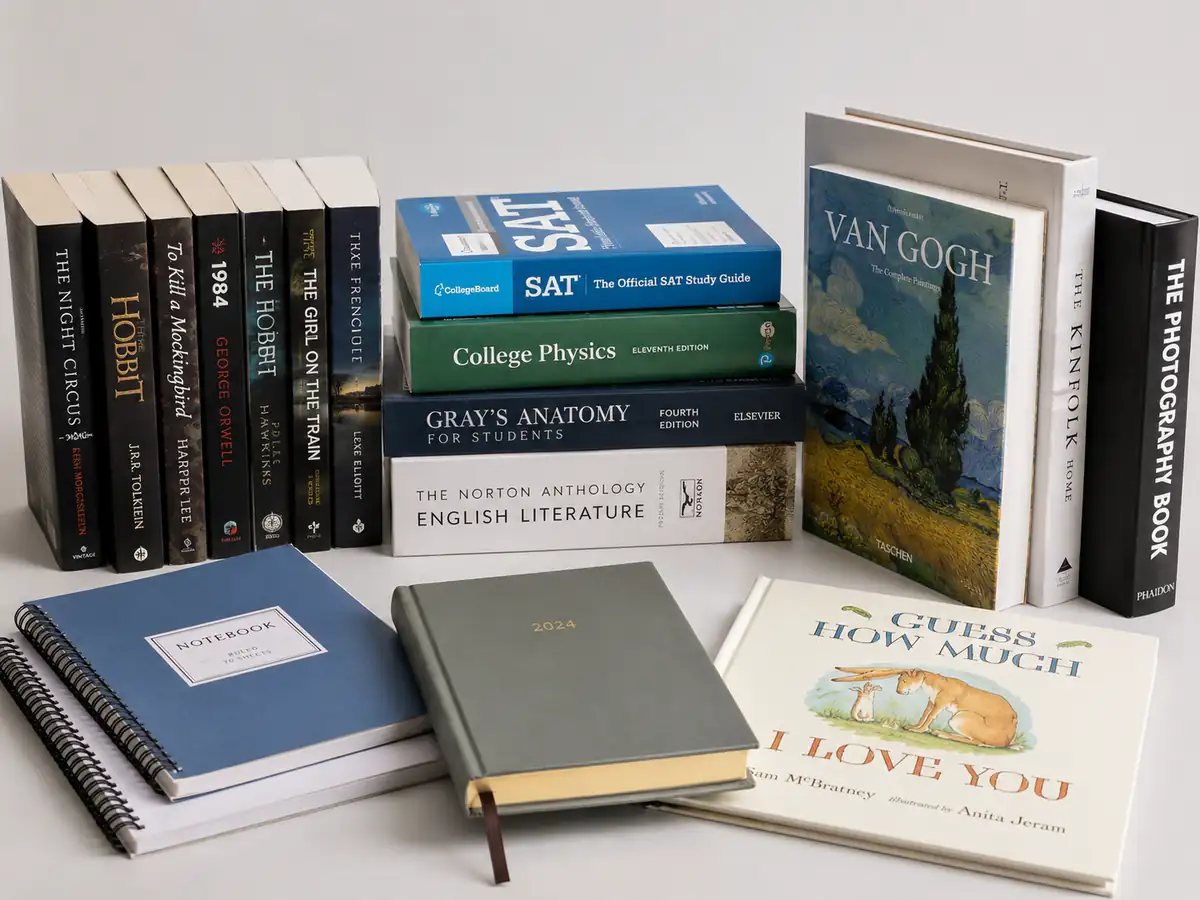
Common printed book products that may fall under informational-material classifications include:
- Novels and fiction books
- Educational books
- Reference books
- Journals and workbooks
- Art books
- Planners and printed publications
- Children’s books, depending on classification
However, import classification should always be reviewed carefully. Even small differences in product format, packaging, inserts, accessories, or bundled items may affect how customs evaluates the shipment.
Section 301 Tariffs May Still Apply to Some Book Categories
Although many printed books may be protected from newer tariff measures, some book products can still be affected by existing Section 301 tariffs on Chinese-origin goods.
Certain categories, such as fiction books, cookbooks, travel guides, art books, and comic books, may require closer tariff review depending on their HTS code and import details.
For publishers, this means the total landed cost should not be calculated only from the printing price. A more accurate cost estimate should also include:
- Product classification
- Import duty and tariff status
- Ocean or air freight
- Customs clearance fees
- Destination delivery charges
- Packaging and palletizing requirements
- Any applicable taxes or handling fees
A reliable printing supplier should help customers understand these cost factors before production begins.
Children’s Books May Have More Favorable Tariff Treatment
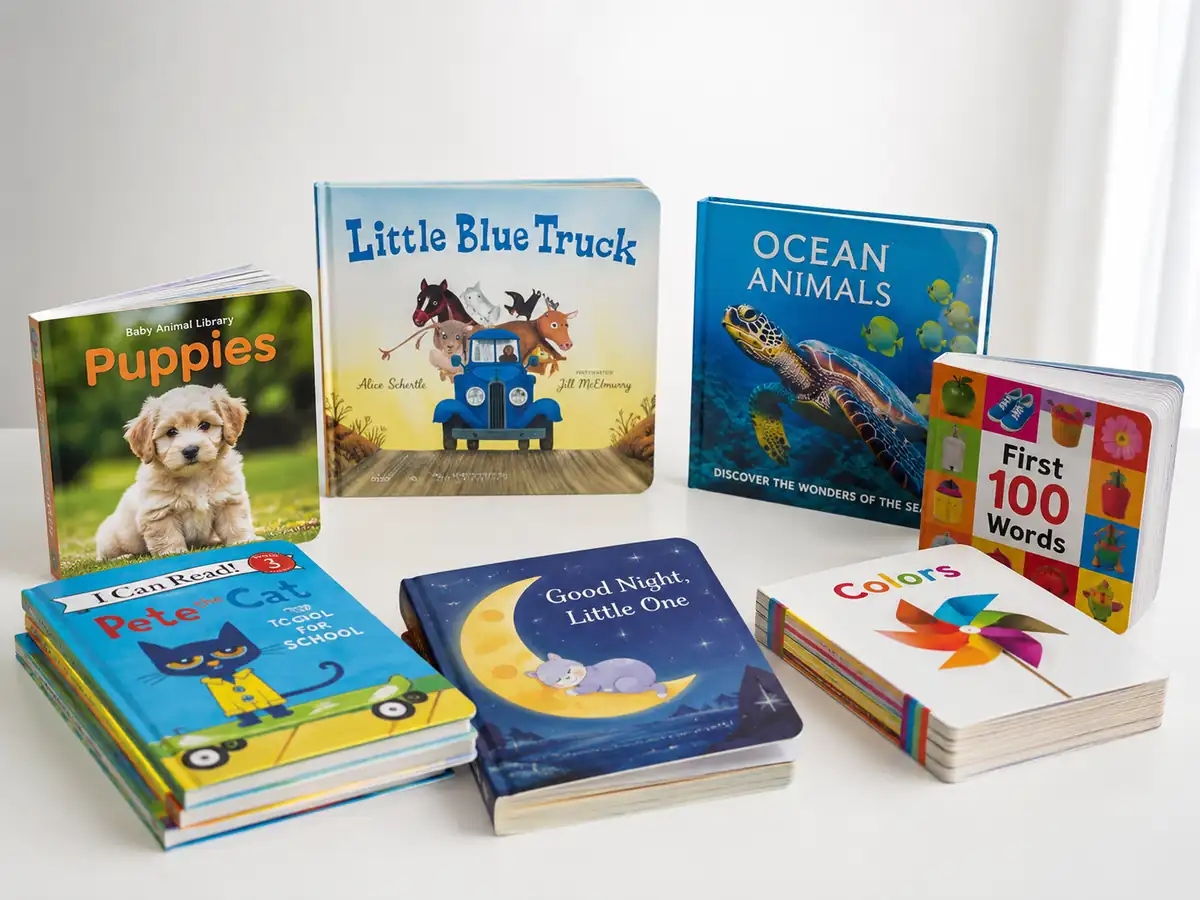
Children’s books are often treated differently from other printed products. Many children’s book formats, including picture books, board books, and early reader books, may qualify for favorable tariff treatment under specific HTS classifications.
This is especially important for publishers producing:
- Board books for toddlers
- Picture books
- Early learning books
- Educational children’s books
- Interactive reading books
- Short story books for young readers
Because children’s book projects often include special formats, thick board pages, rounded corners, laminated surfaces, flaps, or other interactive elements, the final classification should be checked before shipment.
Why HTS Code Classification Matters
The HTS code is one of the most important factors in determining whether a printed book is subject to tariffs. Two products that look similar may be classified differently if their function, structure, or included components are different.
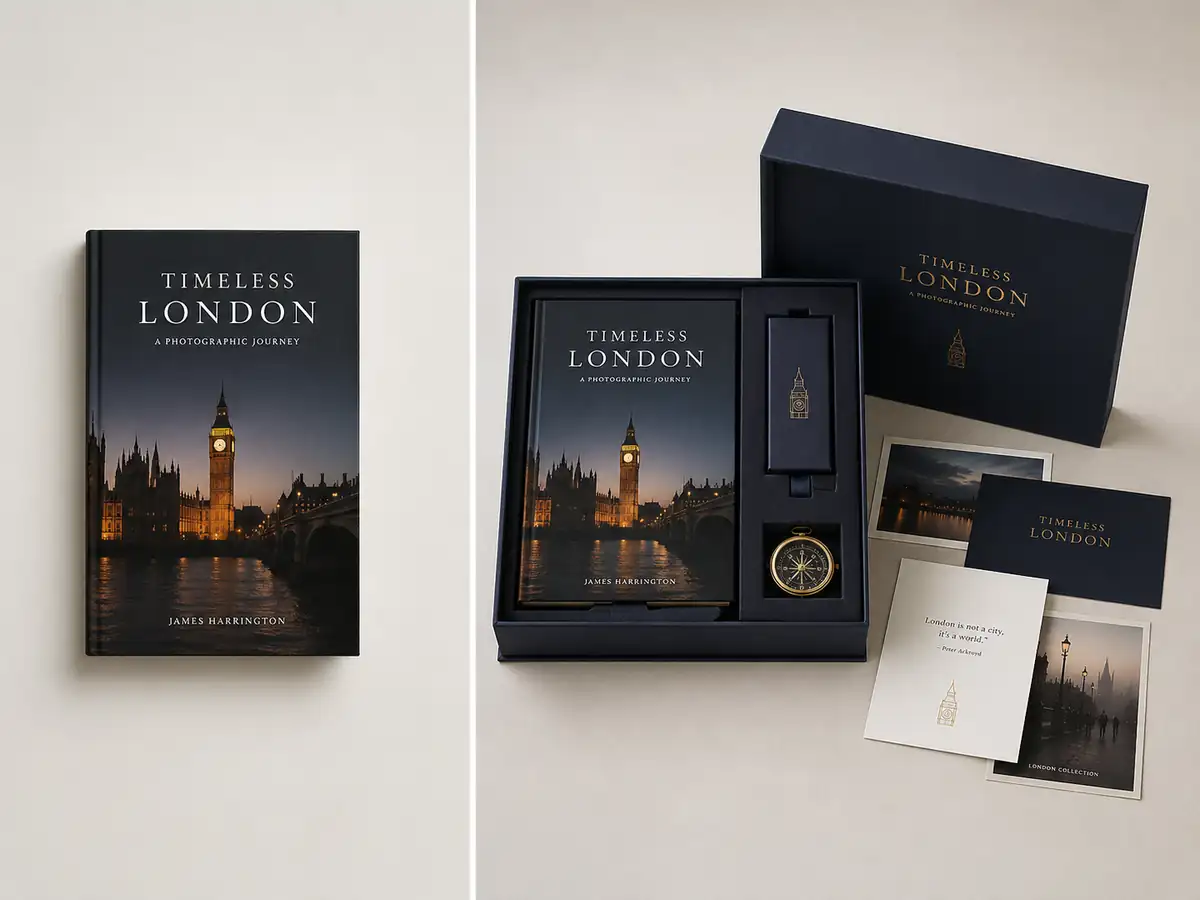
For example, a simple printed book may be treated as an informational material, while a gift set containing a book, cards, accessories, toys, or packaging components may require a different classification.
Before placing a bulk order, publishers should confirm:
The correct HTS code
Whether the product qualifies as a printed book
Whether non-book components are included
Whether the shipment contains mixed products
Whether any special finishing or packaging affects classification
This step is especially important for premium book projects, children’s book sets, card-and-book combinations, educational kits, and custom gift packaging.
How Publishers Can Control Printing and Import Costs
Even when tariffs are not the main cost driver, international printing projects still require careful cost planning. A professional overseas printing partner should help customers review the full production and delivery process instead of focusing only on the unit price.
To reduce cost uncertainty, publishers should consider the following steps:
Confirm product specifications early
Page count, trim size, paper type, cover material, binding style, and finishing options all affect both production cost and shipping weight.
Review the binding structure
Hardcover books, perfect bound books, sewn binding books, board books, and spiral-bound books may have different production costs and freight considerations.
Check the shipment method
Ocean freight is usually more cost-effective for bulk book printing, while air freight may be suitable for urgent samples or small-volume shipments.
Ask for a landed-cost estimate
A clear quotation should include printing, packaging, freight, customs-related estimates, and delivery terms where possible.
Work with experienced logistics support
Book shipments require accurate documentation, carton labeling, customs classification, and schedule control to avoid delays.
Why China Remains a Strong Option for Book Printing
Despite changing trade policies, China remains an important production base for publishers and brands because of its mature printing supply chain, wide material options, and strong finishing capabilities.
For complex book projects, Chinese printing factories can offer:
Competitive pricing for bulk orders
Flexible paper and cover material options
High-quality color printing
Hardcover, softcover, board book, and sewn binding production
Foil stamping, embossing, spot UV, edge printing, and lamination
Custom packaging and export logistics support
For publishers producing premium books, children’s books, educational books, art books, coffee table books, journals, or custom print products, working with an experienced overseas printer can still be a cost-effective choice.

U.S. tariffs can affect the total cost of books printed in China, but the impact depends heavily on the product type and HTS classification. Many printed books may continue to benefit from informational-material exemptions, while certain categories may still require Section 301 tariff review.
Before starting production, publishers should confirm the product classification, review the full landed cost, and work with a printing partner that understands both book manufacturing and international shipping requirements.
With proper planning, overseas book printing can remain a reliable and cost-efficient solution for publishers looking for high-quality production, custom finishing, and scalable manufacturing support.