How Global Tariffs Are Changing Printing and Packaging Costs
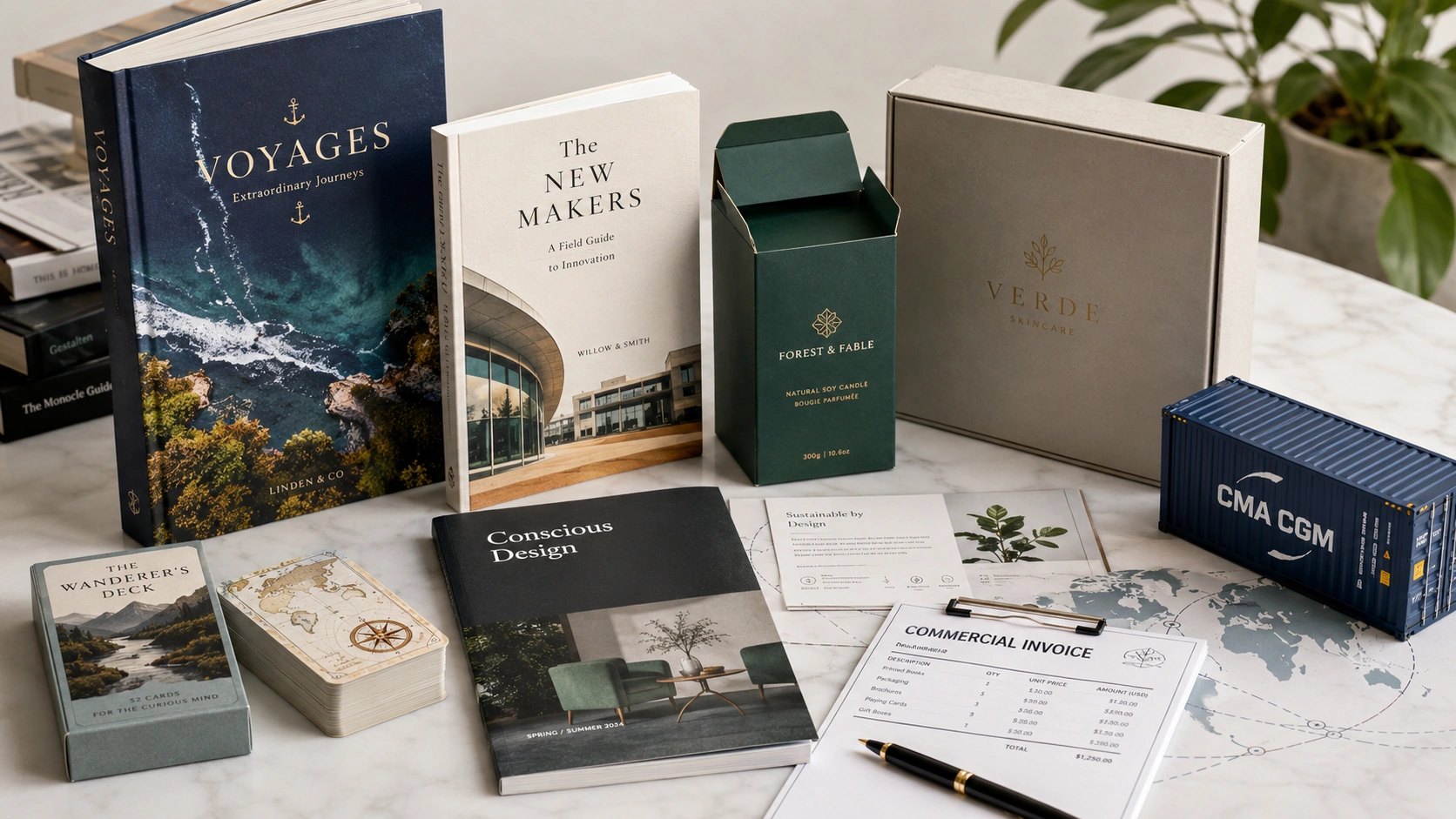
Printing and packaging costs are no longer shaped only by paper, ink, labor, and production time. Global tariffs now play a major role in how buyers calculate total landed cost.
For publishers, brands, retailers, and packaging buyers, tariff changes can influence where products are printed, how materials are sourced, and how final pricing is planned.
Whether you are ordering books, journals, card decks, rigid boxes, folding cartons, or branded packaging, understanding tariff risk can help you avoid unexpected costs.
Why Tariffs Matter in Printing and Packaging
A tariff is a duty charged on imported goods. It can apply to finished printed products, packaging materials, paper products, or certain components used in production.
For international printing orders, tariffs may affect:
- Books
- Paper packaging
- Card decks
- Gift boxes
- Stickers and labels
- Printed inserts
- Plastic components
- Metal accessories
- Packaging closures
- Mixed-material product sets
The final duty rate depends on product classification, country of origin, customs value, and destination market rules.

Section 301 and China-Related Cost Pressure
For U.S. importers, Section 301 tariffs on certain Chinese-origin goods remain an important cost consideration. USTR continues to maintain China Section 301 tariff actions and exclusion processes.
This does not mean every printed product is treated the same way. Some printed books may have different tariff treatment from packaging, card products, or mixed product sets.
That is why HTS classification is so important.
A small difference in product structure can affect tariff treatment. For example:
- A standard printed book may be classified differently from a gift set.
- A card deck may be treated differently from a book.
- A rigid box with accessories may be classified differently from simple paper packaging.
- A children’s book with toy components may require closer customs review.
Tariffs Affect Total Landed Cost
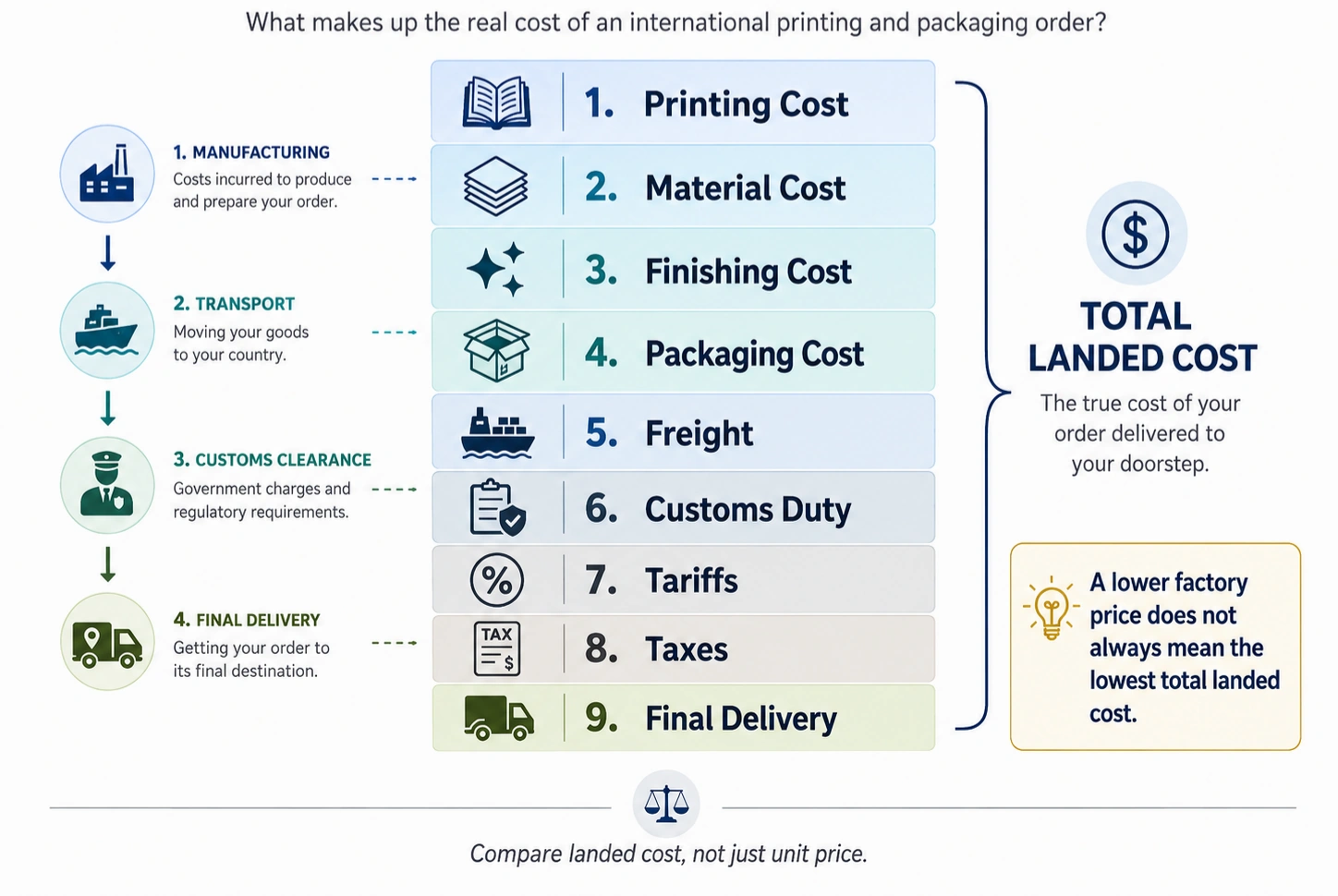
Print buyers should not only compare factory prices. They should compare total landed cost.
Total landed cost may include:
- Printing cost
- Paper and material cost
- Finishing cost
- Packaging cost
- Inland transportation
- Ocean or air freight
- Customs duty
- Tariffs
- Taxes
- Customs clearance fees
- Final delivery charges
A supplier with a lower production price may not always be the lowest-cost option after shipping and tariffs are included.
How Tariffs Influence Product Design
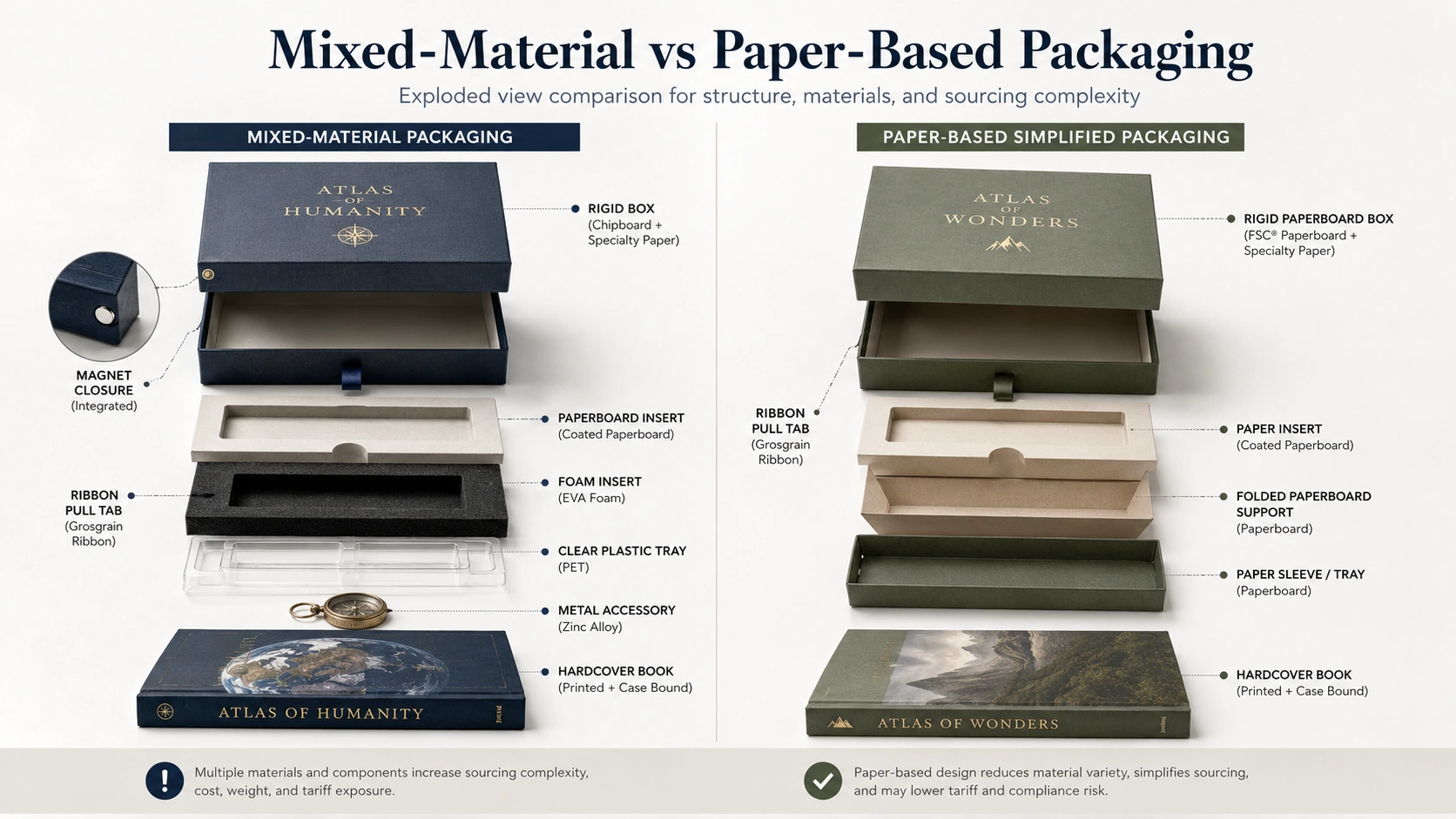
Tariffs can even affect product design decisions.
If a product includes several materials, each component may need to be reviewed. For example, a premium packaging set may include paperboard, magnets, ribbon, foam inserts, plastic trays, and metal accessories.
If certain components increase tariff exposure or create customs complexity, the buyer may choose a simpler structure.
This can lead to design changes such as:
- Replacing plastic inserts with paper inserts
- Reducing metal accessories
- Simplifying gift set components
- Separating product and packaging shipments
- Choosing paper-based materials
- Adjusting packaging structure
- Reviewing HS or HTS codes before production
Good design is not only visual. It should also consider import requirements.
Why Packaging Costs Are Especially Sensitive
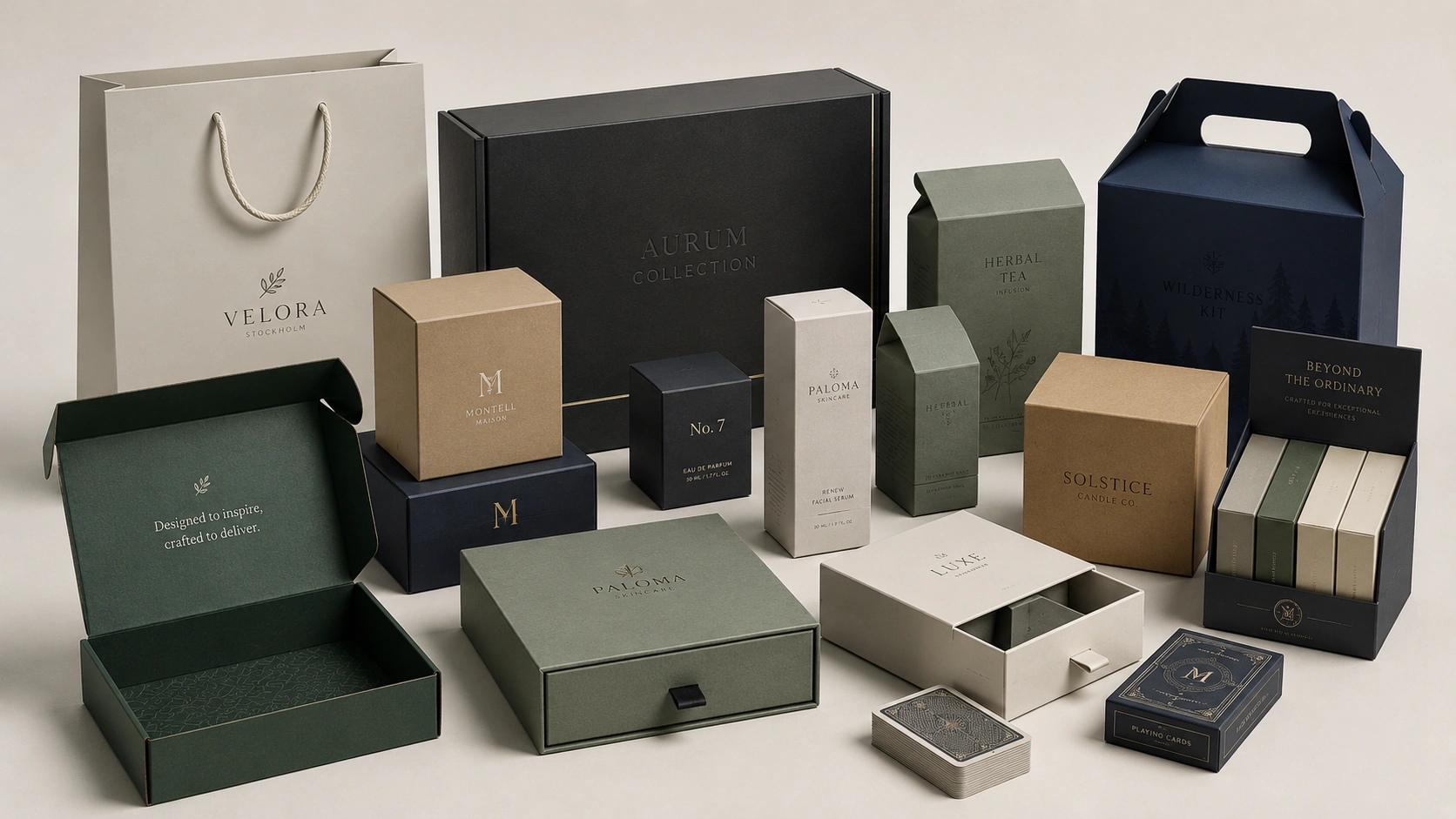
Packaging products can be more affected by tariffs because they often include mixed materials and are imported as commercial goods.
Common packaging products that may require careful tariff review include:
- Rigid boxes
- Folding cartons
- Mailer boxes
- Gift packaging
- Cosmetic boxes
- Subscription boxes
- Paper bags
- Card deck boxes
- Product sleeves
- Display packaging
For packaging buyers, the tariff question should be discussed before mass production, not after goods are ready to ship.
How Global Trade Changes Affect Sourcing
Tariffs may encourage buyers to diversify sourcing or rethink production strategies.
Some buyers may compare:
- China printing
- Southeast Asia printing
- Local printing
- Hybrid production
- China production with DDP shipping
- Material sourcing from different regions
However, the best option depends on product complexity, order quantity, quality requirements, finishing needs, timeline, and total landed cost.
China remains strong for many complex printing projects because of its mature supply chain, wide material options, and advanced finishing capabilities. But buyers should still evaluate tariff exposure carefully.
How DDP Quotes Can Help Buyers
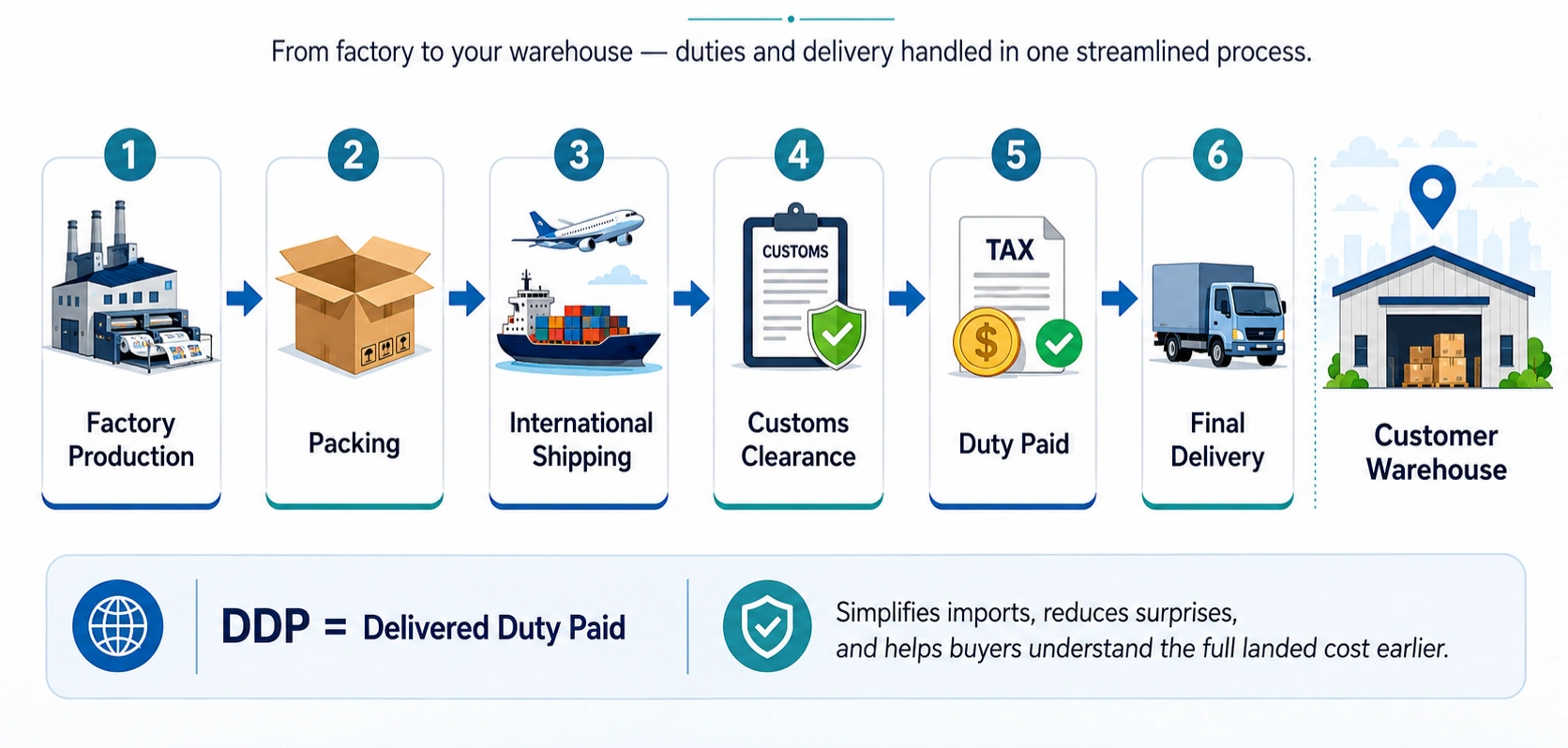
DDP, or Delivered Duty Paid, can help reduce uncertainty because the supplier includes duties, taxes, customs clearance, and final delivery in the quotation.
For buyers who do not have an import team, DDP can make overseas printing easier to manage.
A DDP quote can help customers:
- Understand the full cost earlier
- Avoid surprise customs bills
- Simplify delivery planning
- Compare suppliers more accurately
- Focus on product launch instead of paperwork
However, buyers should still confirm what is included in the DDP quote.
Questions Buyers Should Ask Before Ordering
Before placing a printing or packaging order, buyers should ask:
- What is the likely HS or HTS code?
- Are tariffs included in the quote?
- Is the quotation FOB, CIF, DAP, or DDP?
- Are duties and taxes included?
- Does the product include mixed materials?
- Will packaging be classified separately?
- Are there alternative materials that reduce complexity?
- What documents will be provided for customs clearance?
- What happens if tariff rules change before shipment?
These questions help buyers make better decisions before production begins.
Practical Ways to Manage Tariff Risk
Print buyers can reduce tariff uncertainty by:
- Confirming product specifications early
- Avoiding unnecessary mixed materials
- Reviewing tariff classification before production
- Requesting clear trade terms
- Comparing landed cost instead of unit cost
- Planning extra budget for import-related changes
- Using DDP service when suitable
- Working with experienced logistics partners
- Keeping product documentation organized
Tariff planning should be part of the project from the beginning.
Conclusion
Global tariffs are changing how buyers calculate printing and packaging costs. The factory price is no longer enough to understand the true cost of an international order.
For books, journals, packaging, cards, and custom printed products, buyers need to consider product classification, trade rules, shipping terms, customs clearance, and total landed cost.
By planning ahead and working with an experienced printing partner, buyers can reduce uncertainty and make smarter sourcing decisions.
Need help estimating the total cost of your custom printing or packaging project?
Contact our team to discuss product specifications, material options, shipping terms, DDP service, and landed-cost planning for your next order.