Paper & Material for Books
Book Paper & Material Guide
Understand how paper selection affects print quality, readability, durability, texture, and overall user experience in professional book printing.
Paper is one of the most important elements in book production. It influences not only how a book looks, but also how it feels in hand, how colors reproduce, and how readers interact with the final product.
From paper type and thickness to opacity, texture, and surface finish, every decision contributes to the overall quality and positioning of your publication.
This guide introduces the most commonly used paper materials in professional book printing and helps publishers, brands, and independent creators make more informed production decisions.
Whether you’re producing novels, art books, educational books, or premium collector editions, choosing the right paper structure is essential for achieving the best balance between quality, usability, and budget.
Why Paper Selection Matters in Book Printing
Paper is more than just a printing surface — it directly affects the reader’s experience and the perceived quality of your book.
Readability
Improve readability and reduce eye strain.
Color Quality
Enhance color accuracy and image clarity.
Tactile Feel
Create a premium tactile experience.
Durabilité
Increase durability and longevity.
👉 On the other hand, unsuitable paper selection may lead to dull colors, poor readability, excessive show-through, or unnecessary production costs. In professional publishing, paper selection is both a technical and creative decision.
Common Paper Types for Book Printing
Understanding paper types is the foundation of choosing the right material for your project.
Coated Paper (Gloss / Matte)
Coated paper features a smooth surface that prevents ink from being absorbed into the paper fibers. This allows colors and images to appear sharper and more vibrant.
Type | Characteristics |
Gloss Coated | Reflective surface with strong contrast and vivid colors. Suitable for visually rich content. |
Matte Coated | Non-reflective finish with a softer and more refined look. Easier to view under lighting. |
👉 Best used for Art books, Photography books, Catalogs, Image-heavy publications.
Uncoated Paper
Uncoated paper has a more natural and porous surface that absorbs ink, resulting in a softer appearance and more comfortable reading experience. It is widely used for text-heavy books and long-form reading.
👉 Best used for Novels, Essays,Educational books.
C2S (Coated Two Sides) Art Paper
C2S paper is coated on both sides and provides stable print quality with strong color consistency.It is commonly used in commercial publishing projects where image quality and print sharpness are important.
👉 Choosing between coated and uncoated paper is one of the most important decisions in book printing.
Understanding Paper Weight & GSM
Paper weight affects thickness, stiffness, durability, and overall tactile feel.
Common GSM Ranges & Applications
| GSM Range | Typical Application |
| 80–100gsm | Lightweight paper commonly used for novels and text-heavy books |
| 100–150gsm | Balanced option suitable for mixed-content publications |
| 150–200gsm | Thicker paper ideal for image-heavy books and premium publications |
| 250gsm and above | Typically used for covers, inserts, and specialty structures |
👉 Heavier paper improves perceived quality and durability, but also increases production and shipping costs. It may also affect binding performance, especially for thick books.
Paper Specification Reference (China Market)
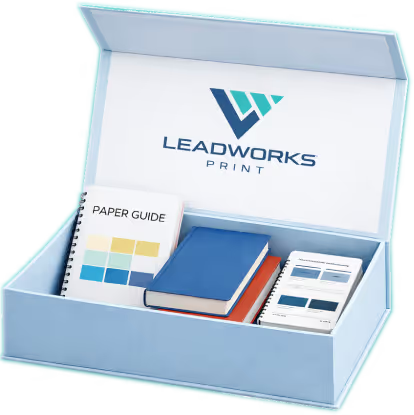
Paper specifications may vary depending on suppliers, mills, and production regions. To help publishers better understand commonly used materials in China’s printing industry, we’ve prepared a reference sheet covering:
- Common paper types and grades
- GSM and thickness comparisons
- Surface texture and color tone
- Recommended applications by book category
👉 This reference can help simplify material planning and improve communication during production development.
Opacity & Show-Through
Opacity refers to how much light passes through a sheet of paper. Low-opacity paper may cause “show-through,” where text or images from the opposite side become visible.
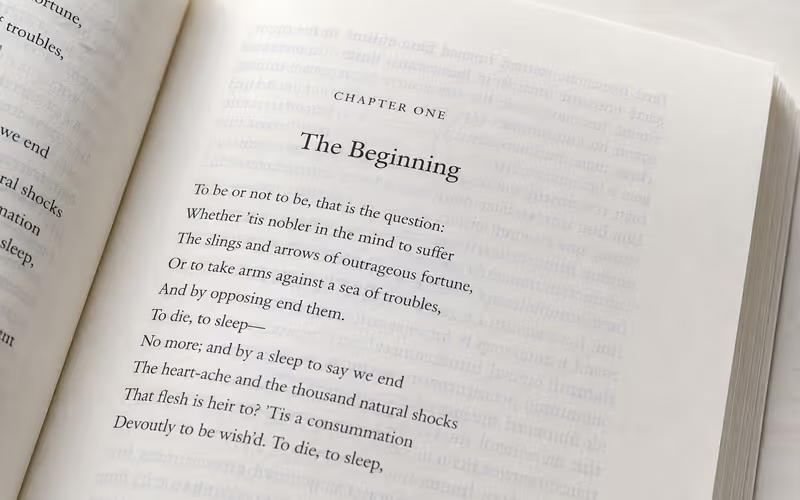
Double-sided Printing
Opacity is critical when both sides ofthe sheet contain text or images.
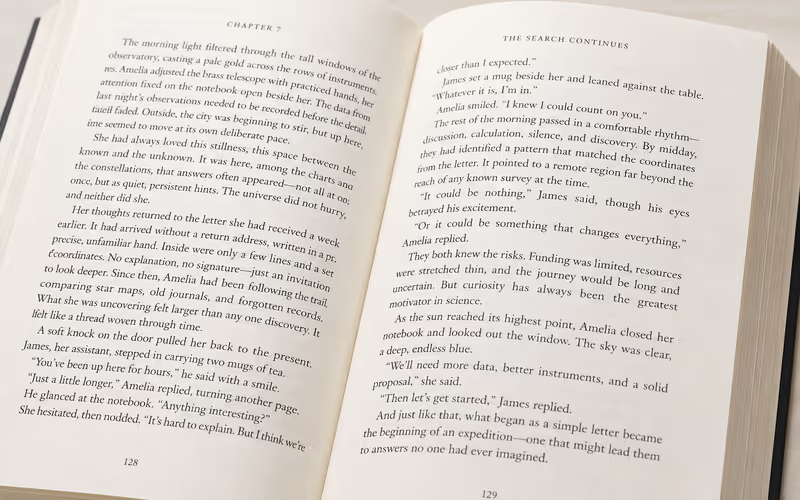
Text-heavy Books
Dense text layouts require comfortable reading without interference from the reverse side.
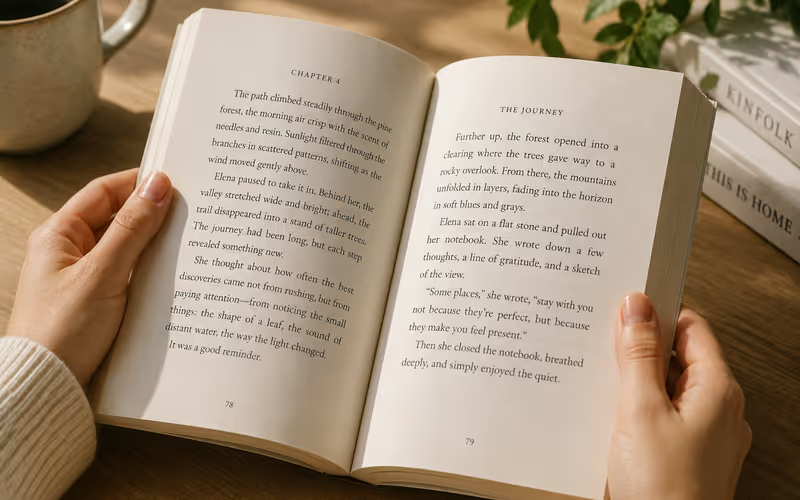
Reading Comfort
Higher opacity improves the overall reading experience.
👉 Higher GSM and better-quality paper generally provide better opacity performance. For novels and dense text layouts, opacity is often more important than surface smoothness.
Paper Texture & Reading Experience
Paper texture affects both visual identity and physical interaction.
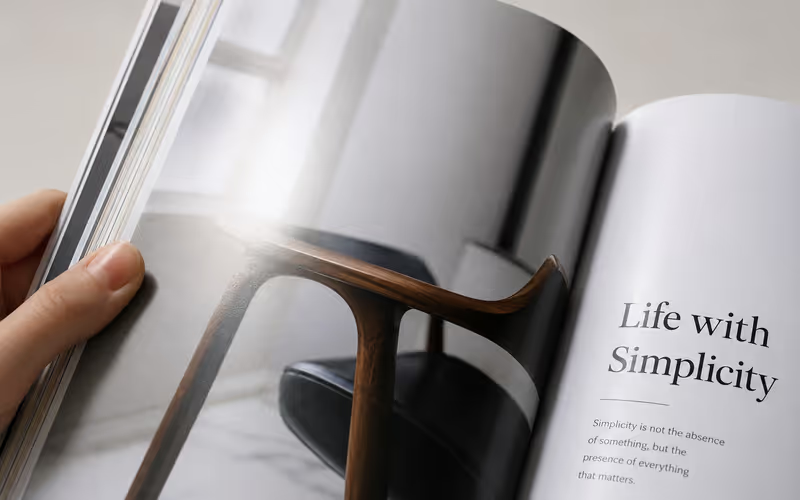
Smooth Surface
Clean, modern look with sharp print quality.

Natural / Uncoated Texture
Warm, organic feel that enhances readability.
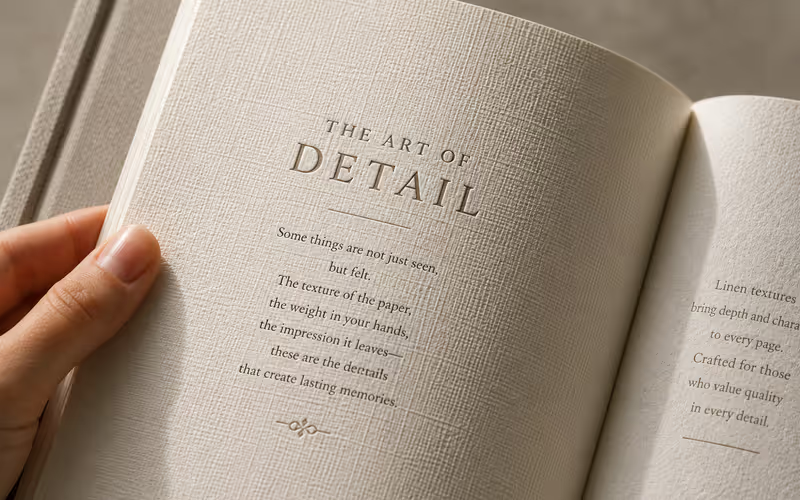
Specialty Textures
Linen and other textures add a unique tactile element, often used for premium books.
👉 Texture influences not only appearance, but also how readers physically engage with the book.
Paper Color, Brightness & Print Appearance
Paper brightness and color tone directly affect print results.
| Key Consideration | How It Affects the Final Book |
| Brightness (Whiteness) | Higher brightness improves contrast and enhances image vibrancy. |
| Color Tone (Warm vs Cool) | Warmer paper tones are often more comfortable for long reading sessions. |
| Color Tone (Warm vs Cool) | Warmer paper tones are often more comfortable for long reading sessions. |
| Ink Interaction | Coated paper keeps colors sharper, while uncoated paper creates a softer appearance. |
👉 The same artwork or layout can look significantly different depending on the paper selected.
Paper Selection by Book Type
Different book categories require different paper structures and performance priorities.
Book Type | Recommended Paper Direction |
Novels / Text-heavy Books | Uncoated paper, 80–100gsm, focus on readability and comfort. |
Livres d’art & livres de photographie | Coated paper (matte or gloss), 150–200gsm, focus on color and image quality. |
Children’s Books | Thicker paper, higher durability, often combined with lamination. |
Premium / Collector Editions | High GSM paper, specialty textures or finishes, focus on tactile and visual experience. |
👉 Matching paper structure to content type is essential for achieving the best publishing results.
Sustainable Paper & Eco-Friendly Printing Options
Sustainability is becoming increasingly important in modern publishing.
FSC-certified Paper
Supports responsible sourcing and market compliance needs.
Recycled Paper
A practical option for environmentally focused projects.
Soy-based Inks
A common eco-conscious printing choice.
Water-based Coatings
A lower-impact coating option for suitable projects.
👉 Sustainable material choices can help strengthen brand value while meeting environmental and market expectations.
Common Book Paper Selection Mistakes
Common Mistakes
- Choosing paper based only on cost
- Using coated paper for text-heavy books
- Ignoring opacity and readability
- Selecting paper too thick for binding
- Skipping physical sample testing
👉 Production Insight
Many printing issues originate from early-stage material decisions rather than printing itself.
Testing physical samples before production is one of the most effective ways to reduce risk and improve final quality.
Need Help Choosing the Right Paper for Your Book?
Our team can recommend suitable paper structures based on your content type, binding method, print style, finishing requirements, and production budget. We help publishers and brands balance readability, durability, print quality, and overall production efficiency.
Compare Paper Options Before Production
Tell us your book type, page count, target market, and printing requirements – wecan help narrow down practical paper choices.